


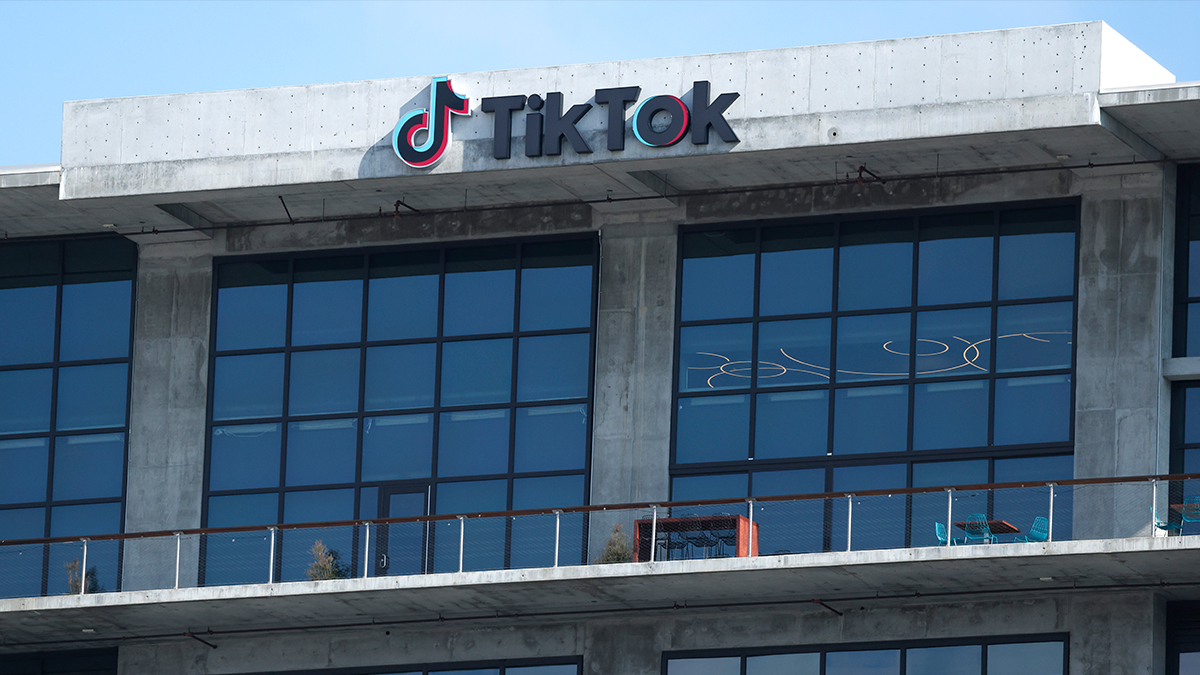

Major creators and everyday users are seriously rethinking their relationship with TikTok, with many actively deleting the app following the recent ownership change and troubling updates to the platform’s terms and conditions.
The Guardian reported that data collected by a market intelligence firm shows the daily average of US users deleting the app increased by a shocking 195% between January 22 and January 28, compared to the previous 90 days.
For some users, stepping away isn’t easy. Keara Sullivan, a 26-year-old comedian with over half a million followers, is one of those making the tough call. She is “very transparent” about how TikTok was instrumental to her success, leading to a manager and a literary agent. That’s why she finds it “really sad” to step away, at least temporarily.
The exodus seems spurred by a lack of trust and concerns about censorship. TikTok, which was owned by China’s ByteDance, was forced to create a new US-based entity, the TikTok USDS Joint Venture, to avoid being banned. This new entity is now majority US-owned, with investors like Oracle (owned by a known Trump ally), the private equity group Silver Lake, and Abu Dhabi’s MGX.
They seem to be valid concerns
The concerns began when Trump stated that buying TikTok was a great business opportunity, blurring the lines between the platform and the government. Now, with the shift in ownership complete, there are major concerns about censorship. Following the death of Alex Pretti, several content creators claimed that videos criticizing the federal agency were being suppressed on the platform.
Comedian Meg Stalter, for example, posted on Instagram that a video she created urging fellow Christians to speak out against ICE tactics simply wouldn’t upload to the app. Even California Governor Gavin Newsom is getting involved, announcing the state will launch an investigation into whether the platform is violating state law by censoring anti-Trump content.
The fears about censorship are further compounded by TikTok’s new terms and conditions. It explicitly states that TikTok may collect deeply personal data like “racial and ethnic origin,” “sexual life or sexual orientation, status as transgender or nonbinary, citizenship or immigration status, or financial information.” Worse, the updated terms now explicitly acknowledge that TikTok collects precise location data unless you proactively opt out.
There have been other complaints. Sullivan saw a significant reduction in the income she received from the Creator Fund, while users noticed a decline in recommendation quality. The company, for its part, attributed the content and technical issues to a power outage at a US datacenter, not intentional censorship. They released a statement saying that the US user experience would have technical issues while they recover the infrastructure.




Published: Feb 2, 2026 07:13 am