




A British Columbia tribunal has ordered a man to pay $20,000 after finding he repeatedly shared intimate videos of a woman online despite requests to remove them. The ruling paints a picture of someone who prioritized social media attention over another person’s privacy, with the tribunal concluding that financial penalties were needed to discourage similar behavior.
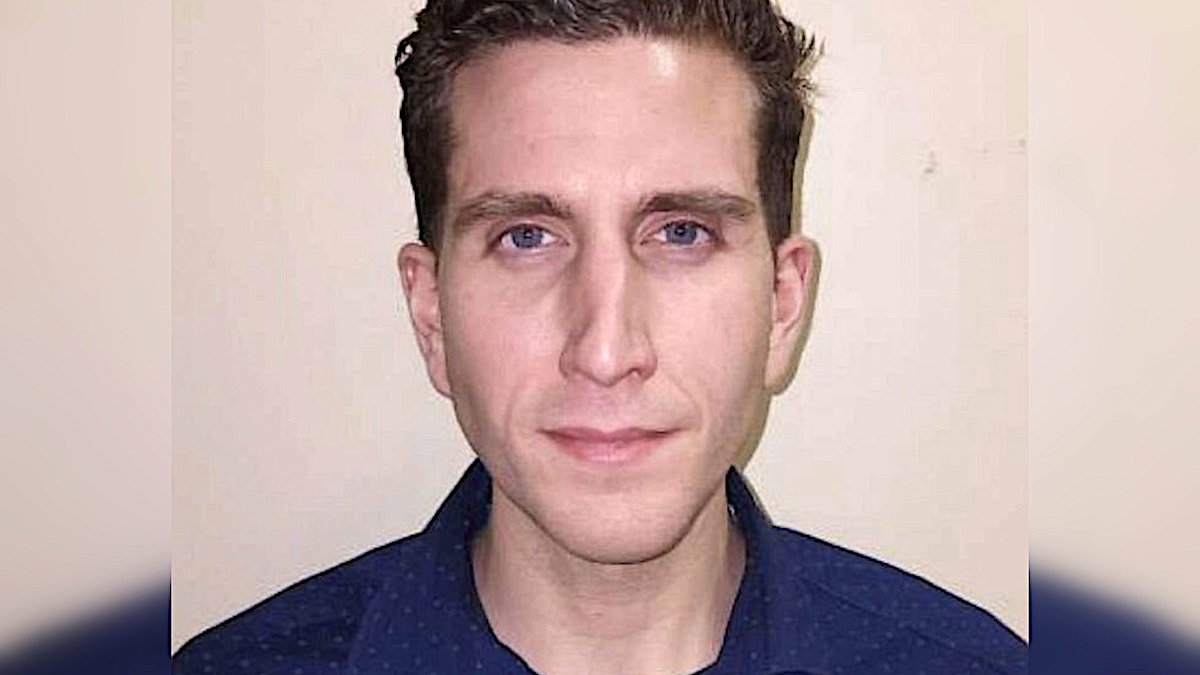
According to the tribunal’s decision, first reported by CTV News, the Civil Resolution Tribunal (CRT) found that Sherif Elbishlawi’s actions went far beyond poor judgment. Tribunal member Maria Montgomery determined that he ignored requests to remove the videos, tried to repost them after they were taken down by Meta, and continued distributing the content despite knowing the woman objected.
According to the decision, first reported by CTV News, the pair met outside a nightclub. The woman, whose identity is protected by a publication ban, agreed to let Elbishlawi lift her while a friend recorded the moment. However, the resulting footage captured far more than she intended. The tribunal found that one video showed her skirt lifting so that “her underwear is exposed, and her buttocks are partially exposed,” while another captured “up the applicant’s skirt.” The woman maintained that she never agreed to those images being shared online.
Tribunal concludes social media attention played a key role
Elbishlawi argued that the clips did not qualify as intimate images and insisted the woman had consented to them being posted. The tribunal rejected both arguments, pointing to British Columbia’s Intimate Images Protection Act, which covers photos and videos in which a person is nude or “nearly nude.”
Montgomery noted that this case differed from many intimate image disputes, which often involve “former intimate partners who weaponize intimate images as a form of intimate partner violence.” Instead, the decision said, “It appears the respondent used the videos to gain social media exposure,” adding that “the videos were potentially used to generate revenue.”
The tribunal’s conclusion about social media exposure also feeds into a broader discussion about the incentives that drive people to chase online engagement. We’ve previously explored how that pursuit of virality has fueled everything from reckless stunts to life-threatening internet challenges in our roundup of TikTok’s most dangerous trends.
The woman testified that she felt deeply humiliated and continues to suffer from anxiety that the footage might reappear. Montgomery noted that Elbishlawi’s response to her requests was incredibly dismissive; he either ignored her or demanded they meet in person first, telling her, “I don’t do favors for strangers.” He has not apologized and maintains he committed no wrongdoing.
The case also arrives as lawmakers continue strengthening legal protections for victims of non-consensual intimate images. Similar debates have recently played out in the U.S., where Congress backed legislation requiring online platforms to more quickly remove non-consensual intimate images, including AI-generated deepfakes, after they are reported.
The tribunal ultimately awarded $20,000 in damages: $10,000 for pain and suffering, $5,000 in aggravated damages, and $5,000 in punitive damages. Montgomery wrote that the punitive award reflected Elbishlawi’s refusal to remove the videos, his attempts to repost them after they were taken down, and the likelihood that he profited from the content. She concluded his conduct “is deserving of rebuke and markedly departs from ordinary standards of decent behaviour.”
The decision comes after British Columbia recently increased the maximum damages the tribunal can award in intimate image cases from $5,000 to $75,000. The ruling highlights a growing willingness of administrative tribunals to impose meaningful financial penalties when online engagement comes at the direct expense of personal privacy.




Published: Jul 16, 2026 02:06 pm