



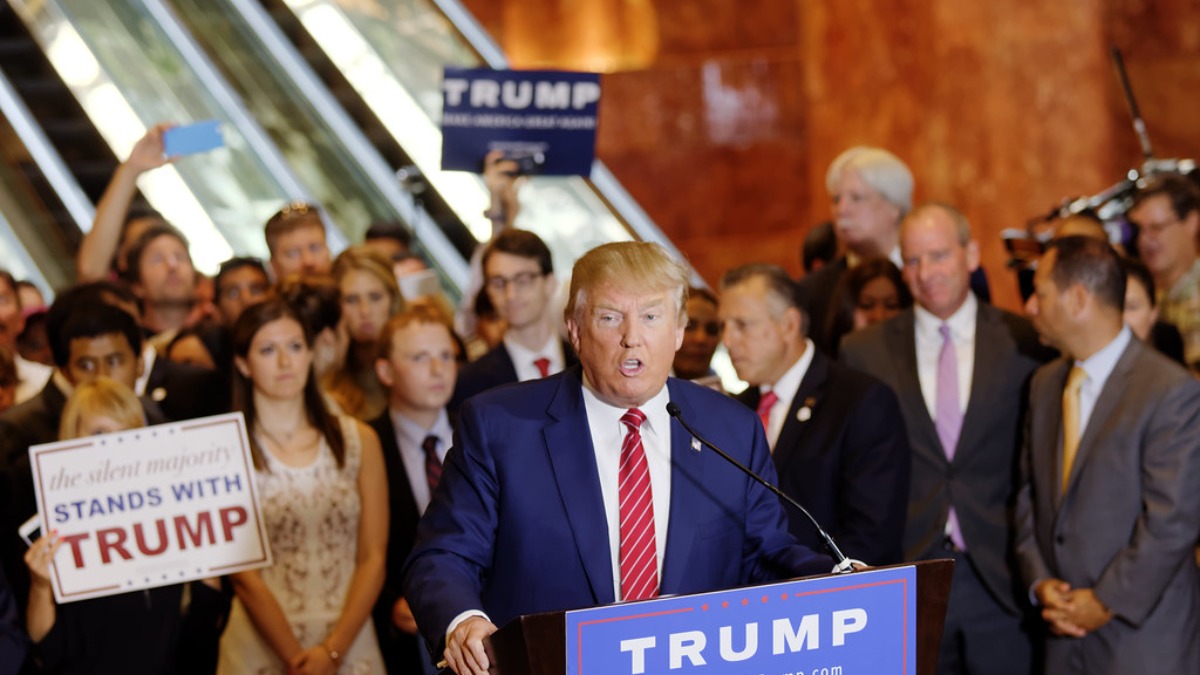
On April 7, 2026, the U.S. and Iran announced a two-week ceasefire. President Donald Trump said Iran had agreed to reopen the Strait of Hormuz, a waterway carrying about one-fifth of the world’s oil and gas. Markets rallied, oil prices dropped, and it looked like a breakthrough.
But within hours, cracks appeared. Iran, Pakistan’s Prime Minister Shehbaz Sharif, and Iran’s foreign minister all said the deal included a pause on Israel’s invasion of Lebanon. Israel kept striking Lebanon anyway, killing hundreds in a wave of attacks on Beirut and other areas. According to Mediaite, Iran called it a violation and threatened to walk away. That is when a phone call changed everything.
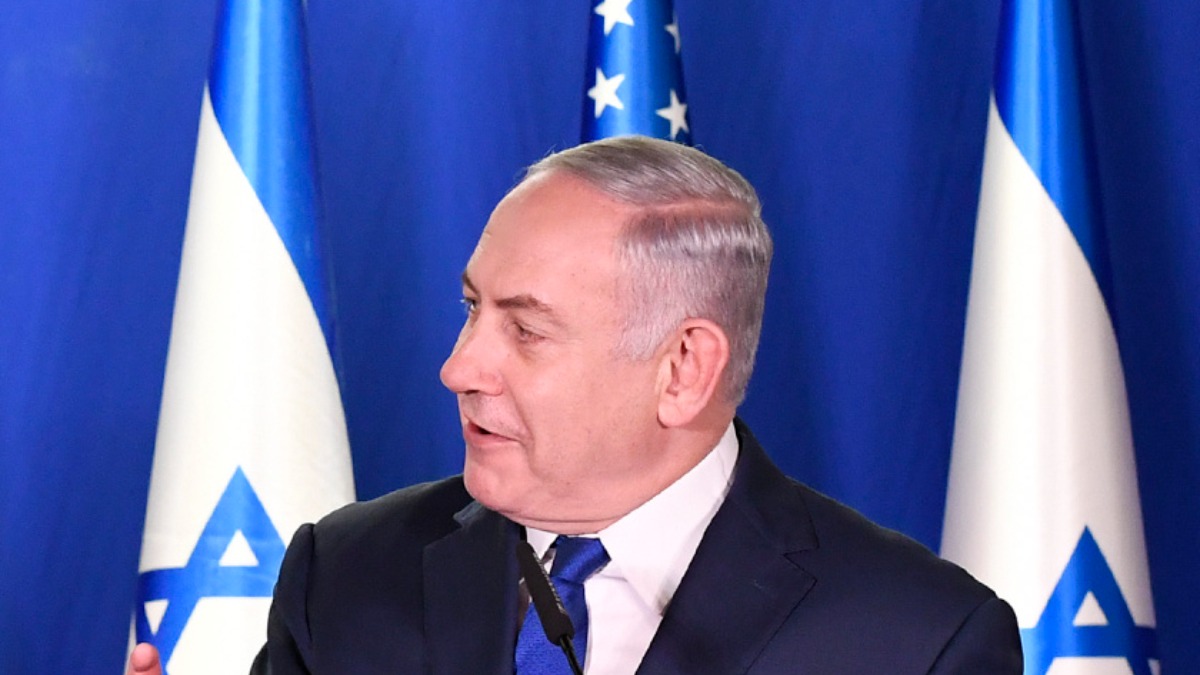
Multiple diplomatic sources told CBS News that Trump had been told the ceasefire would apply to the whole Middle East region, including Lebanon. But after speaking with Netanyahu, the U.S. position shifted. The White House said Lebanon was not part of the deal. Trump called Israel’s war against Hezbollah a “separate skirmish,” and Netanyahu’s office confirmed the ceasefire “does not include Lebanon.” A central part of what mediators had agreed to was gone.
Netanyahu seems to have forced changes to the original agreement
Vice President JD Vance tried to smooth things over by calling it a “legitimate misunderstanding,” though he placed the blame on Iran for the confusion. The White House press secretary said Iran’s 10-point proposal, which Iran believed formed the basis of the deal, was “literally thrown in the garbage by President Trump.”
Trump himself said he was referring to a different, unspecified set of points. Nobody has clearly explained what those points were. Iran has also accused the U.S. of violating the ceasefire on multiple fronts, and Netanyahu’s public remarks have done little to help. Adding to the confusion, a White House official had told CBS News on the day of the ceasefire that Israel had also agreed with the terms Pakistan helped broker.
That statement quietly disappeared from the U.S. position after the Netanyahu call. There were also reports of three different 10-point proposals floating around at the same time, which Vance acknowledged, saying the multiple versions had contributed to the chaos surrounding the negotiations. It is still not clear which version any party was actually working from.
The Strait of Hormuz, meanwhile, remained largely closed. Only three tankers passed through it on Thursday. Iran even suggested it had placed sea mines in the waterway. Shipping companies said the uncertainty was making transit too risky, even with a ceasefire technically in place. Oil prices climbed back up.
Asian stock markets, which had rallied after the ceasefire announcement, began giving up their gains. The UAE’s top energy official said the strait was “not open” and that access was being “restricted, conditioned and controlled,” calling on all parties to reopen it fully and without conditions.
Iran’s position grew harder as the days went on. A message attributed to the country’s supreme leader, Mojtaba Khamenei, said Iran had won the war and demanded compensation for the damage and casualties it had suffered. He also said Iran would bring the management of the Strait of Hormuz “into a new phase,” a phrase that did little to calm shipping markets.
Back in Israel, the ceasefire was not going over well either, with many Israelis expressing deep frustration and embarrassment over the deal on social media. Talks between the U.S. and Iran were scheduled to begin on April 10 in Islamabad, Pakistan, led by Vice President Vance, special envoy Steve Witkoff, and Jared Kushner. But Iran’s parliament speaker had already warned that parts of Iran’s proposal were violated before negotiations even began.
Iran’s foreign minister went further, accusing the U.S. of letting Netanyahu “kill diplomacy.” Experts were skeptical that the talks would lead to anything lasting, pointing out that Iran still had leverage over the strait.
They also highlighted that no real change in the country’s leadership or intentions had occurred. What started as a last-minute diplomatic win has quickly become a mess of competing claims, broken signals, and a ceasefire that both sides seem to be reading very differently.








Published: Apr 10, 2026 03:42 pm