




A recent New York Times report says that classified military intelligence assessments show that the claims made by President Donald Trump and Defense Secretary Pete Hegseth about Iran’s military capabilities have been significantly overstated.
While administration officials have repeatedly said the Iranian military has been effectively destroyed, internal reports tell a very different story. These assessments, dated from early May, show that Iran has managed to keep a large portion of its offensive weapons and infrastructure intact.
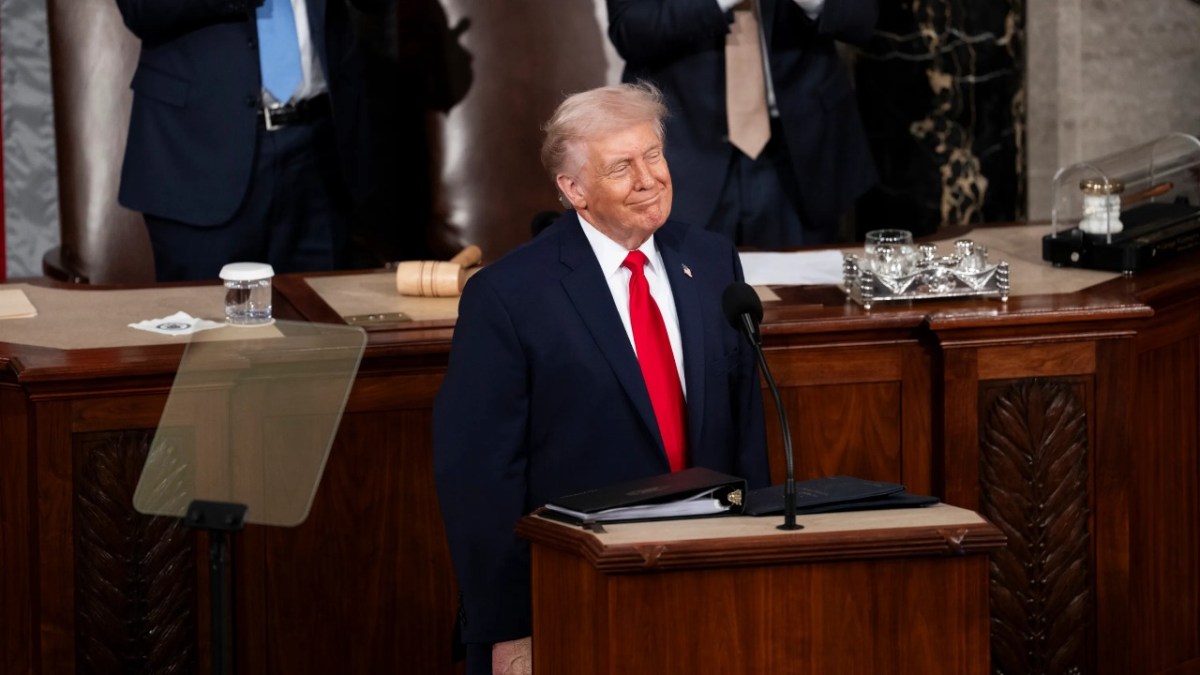
President Trump has frequently declared that the United States has won the war, even suggesting in an April speech that Iran’s rocket launchers were being destroyed and that very few were left.
The administration is defending its position while costs and resource strain continue to grow
During that same address, Trump stated, “Never in the history of warfare has an enemy suffered such clear and devastating large-scale losses in a matter of weeks.” Defense Secretary Pete Hegseth also declared at an April press conference that Operation Epic Fury had “decimated Iran’s military and rendered it combat-ineffective for years to come.”
The intelligence reports, however, show a force that remains largely operational. According to the assessments, Iran still has access to 70% of its mobile missile launchers and has held onto 70% of its total ballistic and cruise missile stockpile. Intelligence also indicates that Iran has regained access to 30 out of 33 missile sites located along the Strait of Hormuz, and 90% of Iran’s underground storage and launch facilities are now considered partially or fully operational.
White House spokeswoman Olivia Wales has continued to defend the administration’s stance, insisting that the current reality for the Iranian government is not sustainable. She said that anyone who “thinks Iran has reconstituted its military is either delusional or a mouthpiece” for Iran’s Islamic Revolutionary Guards Corps.
When questioned about the intelligence assessments, acting Pentagon press secretary Joel Valdez criticized the reporting, stating, “It is so disgraceful that The New York Times and others are acting as public relations agents for the Iranian regime in order to paint Operation Epic Fury as anything other than a historic accomplishment.”
The financial costs of the conflict are also becoming clearer. During congressional testimony on May 12, 2026, acting Pentagon comptroller Jules Hurst stated that the cost of the war has reached $29 billion.
This follows earlier estimates from Secretary Hegseth, who placed the cost at $25 billion, though other U.S. officials familiar with internal assessments suggested the actual cost could already be approaching $50 billion. Trump has faced scrutiny over a growing list of expensive and ineffective projects that have raised concerns about how taxpayer money is being spent.
The strain on U.S. military resources is also a growing concern. The Pentagon has deployed over a thousand Precision Strike and ground-based missiles, raising alarms among congressional officials about the state of U.S. weapons supplies.
The depletion of these munitions has forced the military to divert bombs from Asian and European commands to meet current needs, impacting surveillance capabilities and local arsenals.
Despite these challenges, Pentagon spokesman Sean Parnell said in a statement, “We have executed multiple successful operations across combatant commands while ensuring the U.S. military possesses a deep arsenal of capabilities to protect our people and our interests.”
President Trump has rejected the latest Iranian response to a U.S. peace proposal, describing the ceasefire as “on life support.” Trump has also drawn attention recently after making a surprising admission at a public event that caught many off guard.
In response to the ceasefire rejection, the speaker of the Iranian parliament warned that the country’s military is prepared to “teach a lesson” to any aggressor. U.S. Ambassador to Israel Mike Huckabee also reported on May 12, 2026, that Israel has deployed anti-missile batteries and personnel to the UAE to strengthen defenses, highlighting the growing regional security implications of the ongoing war.
With the administration continuing to claim a total military victory, the intelligence reports suggest that the reality of the conflict is far more complex and long-lasting than the official narrative indicates.







Published: May 13, 2026 05:58 pm