


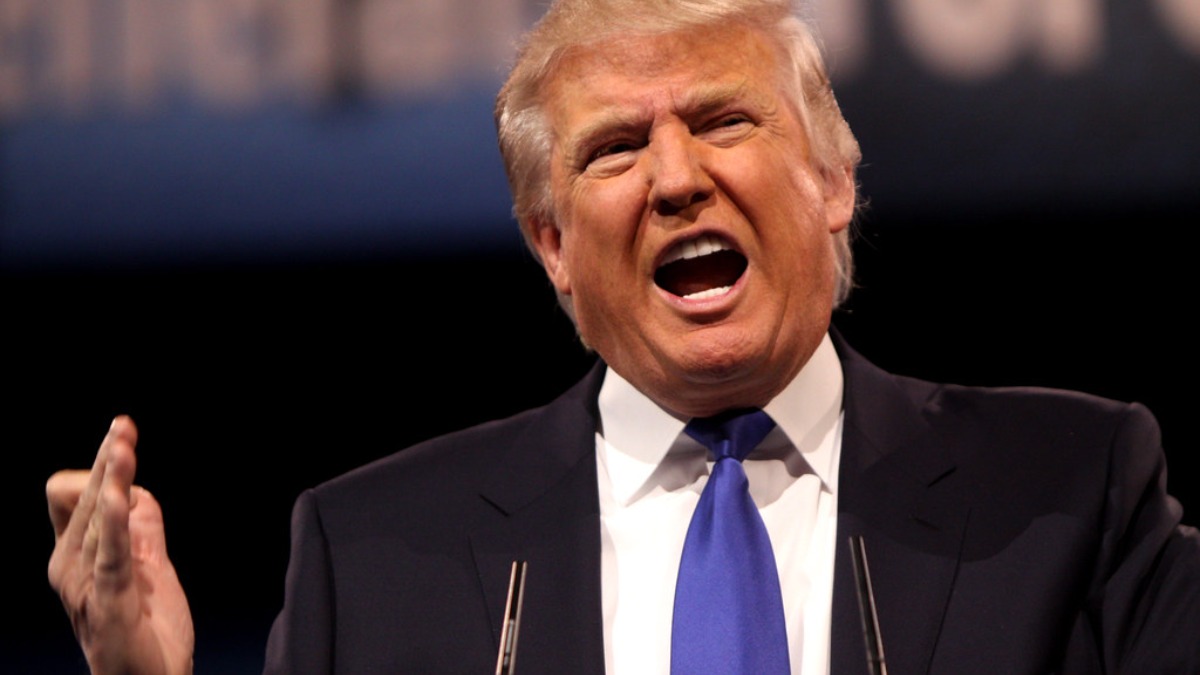

President Donald Trump recently told reporters that the war in Iran would be wrapping up “very soon,” hinting at a quick exit. But behind the scenes, some of his advisors are reportedly pushing him to find a clear exit strategy, worried about political fallout and rising oil prices. This is creating tension within his administration and making some Republicans nervous.
Speaking to reporters in Florida on Monday, Trump said the military mission had largely achieved its objectives. He stated, “We’re way ahead of schedule,” and seemed ready for a swift conclusion. He also said, “We want a system that can lead to many years of peace, and if we can’t have that, we might as well get it over with right now.”
According to The Wall Street Journal, this public optimism contrasts with private discussions among his advisors. These officials are reportedly urging Trump to lay out a plan for withdrawing U.S. forces, noting that the military has largely met its goals.
The economic pressure from rising oil prices is adding to the political stress
Some advisors are privately concerned that a prolonged conflict could erode support from Trump’s conservative base, especially with midterm elections approaching. They have also briefed Trump on polling data suggesting most Americans are currently against the war.
The economic impact is a major part of these concerns. Oil prices surged past $100 a barrel, leading to higher gas prices and broader affordability problems for consumers. Trump has previously dismissed the impact of skyrocketing gas prices on everyday Americans.
Stephen Moore, an outside economic advisor to Trump, said, “When the price of gas and oil rise, so does everything else. Given affordability was already an issue, this leads to real challenges.” This has led to nervous calls from Republicans about the upcoming midterm elections.
Despite these internal discussions, White House press secretary Karoline Leavitt pushed back strongly against the reports. She stated, “This story is full of crap from anonymous sources who, I can guarantee, are not in the room with President Trump.”
Leavitt added that the president’s top aides are focused 24/7 on ensuring Operation Epic Fury remains a success, and that the commander in chief will decide when operations end. Trump has sent conflicting signals about the war.
Last week, he spoke of seeking Iran’s “unconditional surrender” and did not rule out sending ground troops. Yet on Monday, he told an outlet he was “nowhere near” issuing such an order. Later that same day, after suggesting the war might end soon, he added, “We could go further, and we’re going to go further.”
There have also been hints, both public and private, that he might back the killing of the younger Khamenei if he refuses to meet U.S. demands, according to current and former U.S. officials. The U.S. has targeted thousands of Iranian sites, including government buildings and missile bases, aiming to dismantle Iran’s nuclear and ballistic missile programs.
In response, Tehran has launched missiles and drones at U.S. bases and other countries in the Middle East. Seven U.S. servicemembers have been killed and eight seriously wounded since fighting began on February 28, and over 36,000 Americans have returned home from the region. Trump has also shown a willingness to use political pressure to pass key legislation when he feels it is necessary.


Published: Mar 10, 2026 12:39 pm