


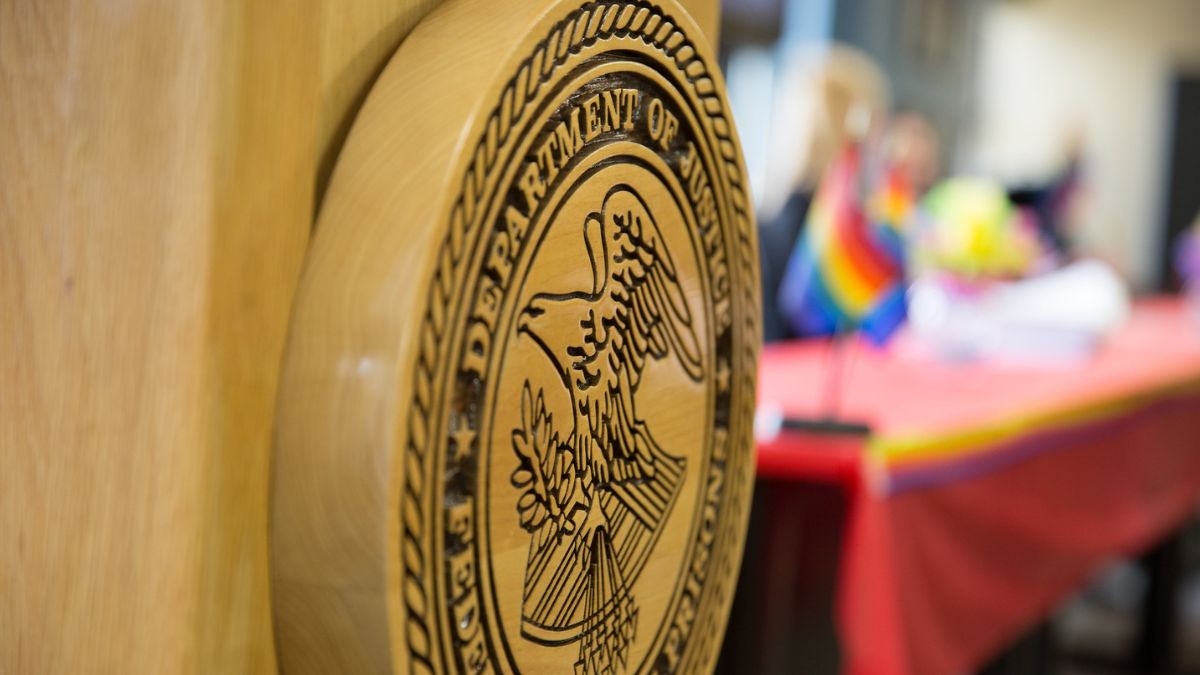

A federal magistrate judge has blocked the Justice Department from going through data seized from Washington Post reporter Hannah Natanson, and has decided to review the materials himself. U.S. Magistrate Judge William B. Porter, who originally signed the search warrant, expressed clear frustration that the DOJ never mentioned the Privacy Protection Act of 1980, a federal law that protects journalists from having their work materials seized.
Judge Porter said he was “unaware” of the law when he carried out his initial probable cause review, and acknowledged a “gap” in his analysis. But he made clear that the government’s “failure” to raise the law “seriously undermined the Court’s confidence in the government’s disclosures in this proceeding.” He directed a pointed question at DOJ attorneys: “Did you not know, or did you not tell me?”
According to NBC News, he noted that many government lawyers, including those “from the highest levels of the DOJ,” had chances to bring up the law during arguments. “None of them did,” he wrote, adding that this conduct “disturbed that baseline posture of deference” he normally gives to government attorneys.
The court’s decision is a significant pushback against the government’s handling of press freedom
The warrant was approved as part of an investigation into Navy veteran Aurelio Perez-Lugones, who was charged last month with unlawful retention of national defense information. Judge Porter said he had hoped the search was truly just “to gather evidence of a crime in a single case, not to collect information about confidential sources from a reporter who has published articles critical of the administration.”
This case is just one of several recent instances raising concerns about the DOJ’s declining impartiality under Trump. The Washington Post had called the original seizure of Natanson’s materials “outrageous,” saying it “chills speech, cripples reporting, and inflicts irreparable harm every day the government keeps its hands on these materials.”
After Porter’s ruling, the paper stated, “We applaud the court’s recognition of core First Amendment protections and its rejection of the government’s expansionist arguments for searching Hannah Natanson’s devices and work materials in their entirety.”
The Freedom of the Press Foundation also backed Porter’s decision. Seth Stern, the foundation’s chief of advocacy, said Porter was right to “reprimand prosecutor Gordon Kromberg and his team for failing to disclose the Privacy Protection Act of 1980.”
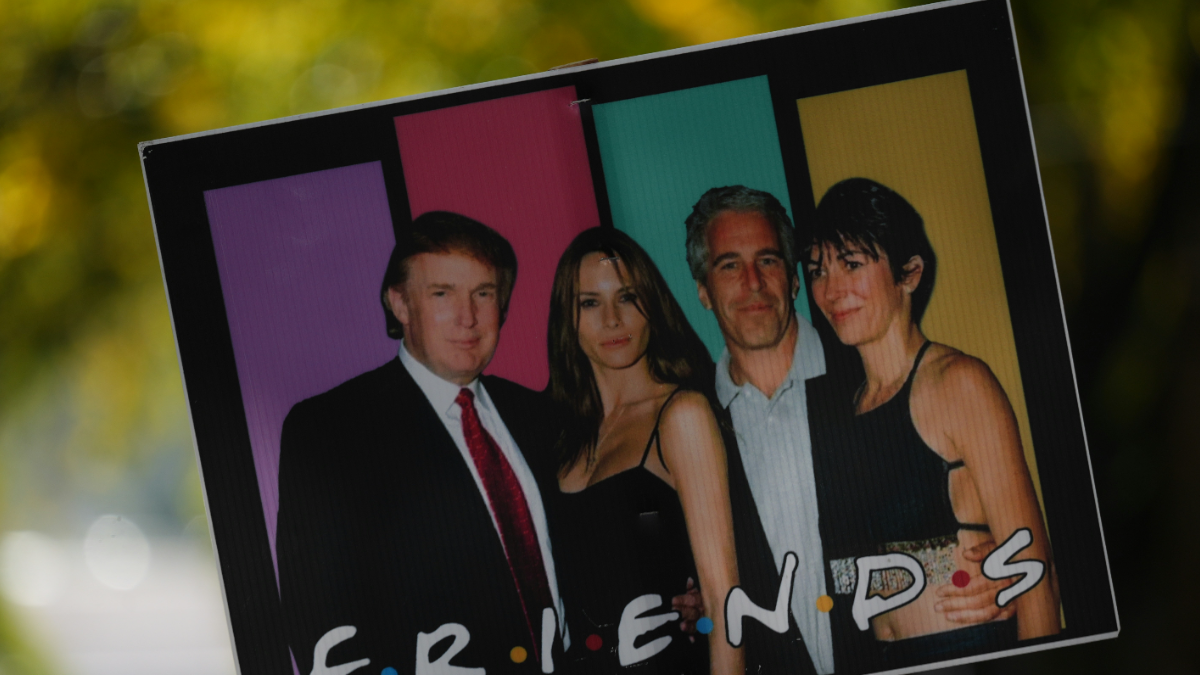
Stern also urged the Virginia State Bar to investigate an ethics complaint against Kromberg. The DOJ has faced scrutiny in other high-profile cases too, including a leaked DOJ email labeling Epstein’s death a murder.
Judge Porter recognized the direct impact the seizure had on Natanson’s work, writing that her work had been “altered” by the government taking her devices. He rejected the DOJ’s suggestion that she “simply start from scratch,” saying it “fails to recognize the realities of modern journalism and the value of confidential source relationships cultivated over time.”
He concluded that her rights had been “restrained” because the government “seized all of Ms. Natanson’s work product, documentary material, and devices, terminating her access to the confidential sources she developed and to all the tools she needs as a working journalist.”
While he stopped short of ordering all devices returned, citing the need to protect classified information, he said it is only “reasonable for the government to retain only the limited information responsive to the search warrant, and nothing more.”



Published: Feb 25, 2026 03:31 pm