


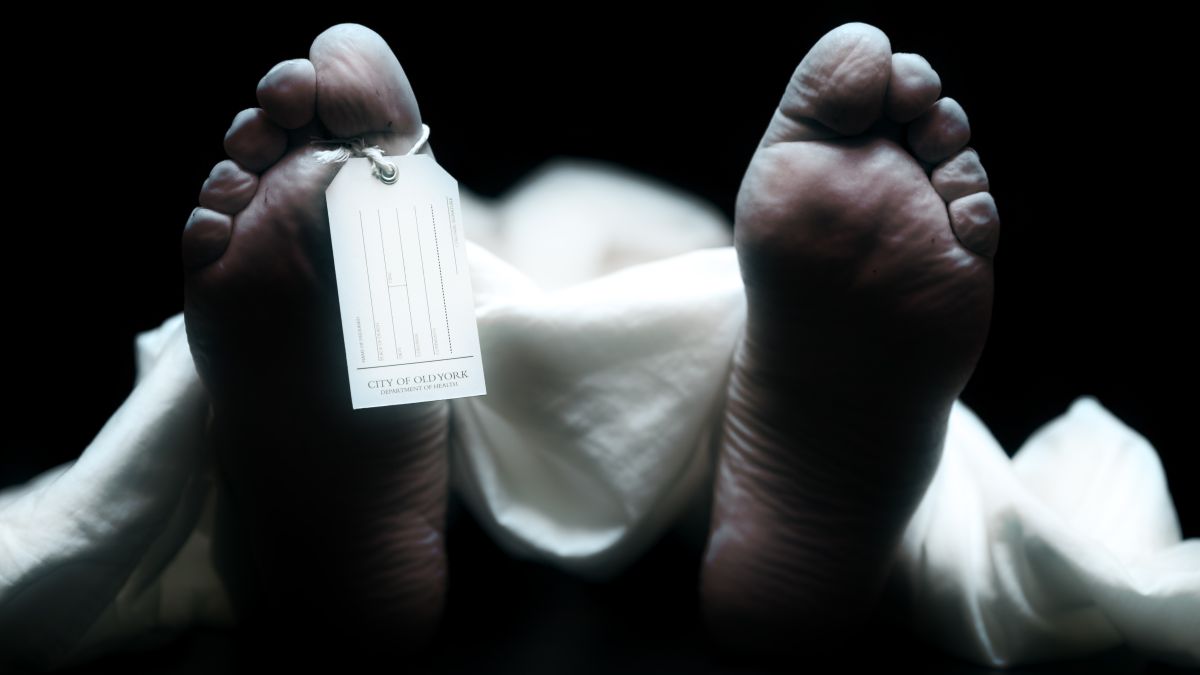

Anyone who says they’re not afraid of death is lying. Devoutly religious people who claim they’re certain there’s a luxurious afterlife awaiting them will fight as hard to stay alive as anyone else, and even those actively trying to end their own lives generally seek out a quick and (they hope) painless way to go about it.
But now scientists have made a discovery that indicates dying may be much more distressing, lonely, and horrifying than we thought. Researcher Anna Fowler at Arizona State University has been analyzing reports of near-death experiences and studies conducted on animals to determine what is happening in the brain as an organism dies.
She presented her conclusions at the American Association for the Advancement of Science annual conference in Phoenix, saying that death is far from an “instantaneous event” like flicking off a light switch, but “unfolds as a process” in which the consciousness gradually declines over hours.
This your internal thoughts and feelings, may persist long after doctors have pronounced you dead, and what may medically appear to be a corpse is, in fact, still capable of hearing and processing what’s going on around them.
“Death, once believed to be a final and immediate boundary, reveals itself instead as a process – a shifting landscape where consciousness, biology and meaning persist longer than we once imagined. … Consciousness may not vanish the moment the brain falls silent. Cells may not die the moment the heart stops.”
I wish I could unlearn this
This has disturbing implications, as if true, it means that people may hear doctors pronounce them dead, experience being zipped into a body bag, and be taken to the morgue, all while being conscious of what’s happening and with no way to communicate anything.
Gee, thank goodness this part of the article isn’t the least bit macabre or horrifying to anticipate. 😳😱😬 pic.twitter.com/bdgMo3Cblr
— desert redbird 🇺🇦🌻🟧 (@desert_redbird) February 16, 2026
But wait, it gets worse! Fowler explained that this has implications for organ donation, with removal ideally taking place mere minutes after a donor is pronounced dead. If what she says is true, people may be conscious as their internal organs are being extracted.
Well, that’s just great. Exactly what you want to read about on a Monday in February. If there’s any silver lining to this, it’s that if you have told a loved one how much they mean to you after they were pronounced dead, they may have heard you and taken comfort from your words.
Admittedly, that’s a pretty thin silver lining. Now, if you’ll excuse me, I’m just going to stare blankly into space for a little bit.








Published: Feb 16, 2026 06:02 am