


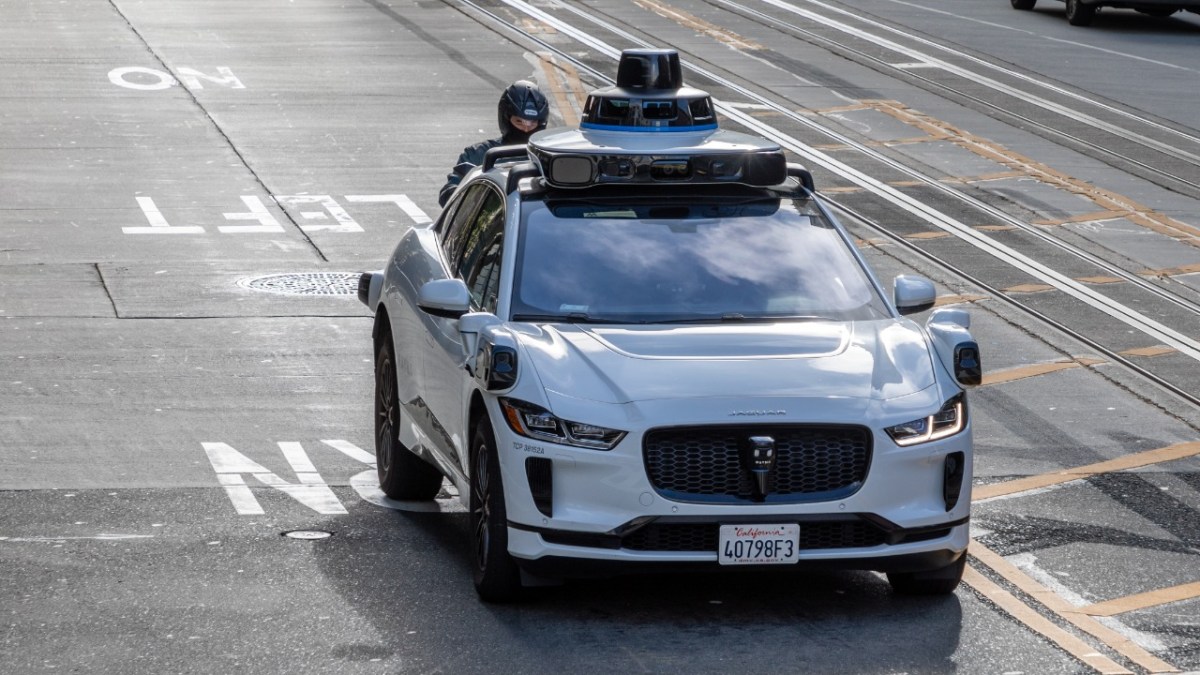

Waymo has stopped offering driverless taxi rides on freeways after California officials banned the vehicles from state highways due to recurring safety incidents. This move affects operations across the San Francisco Bay Area, Los Angeles, Phoenix, Miami, and Austin, where riders could previously hail robotaxis for highway travel. The company confirmed it implemented this suspension last Wednesday, though it plans to keep testing on freeways with human safety drivers present behind the wheel.
The California Department of Motor Vehicles issued the ban the same day the suspension began. DMV spokesperson Jonathan Groveman stated, “The Department determined that Waymo’s driverless freeway operations pose an imminent hazard to public safety due to recurring incursions by its vehicles into active construction zones where construction workers, vehicles and equipment are present,” Groveman said.
According to Groveman, the restrictions will stay in place until Waymo demonstrates to the Department that it has taken effective corrective actions to address the deficiencies that precipitated the restrictions.
These regulatory actions follow specific traffic incidents involving the autonomous vehicles
One event occurred on November 5, when three Waymo driverless vehicles drove directly into a construction zone. A second incident happened the following day on a highway in San Francisco and involved California Highway Patrol vehicles. A video showing the November 6 event circulated on social media last week. In that footage, a Waymo vehicle appears to try and bypass California Highway Patrol vehicles while they were conducting a traffic break. Groveman noted that similar incidents previously occurred on May 18.
A Waymo spokesperson mentioned in an email that the recent freeway construction zone encounters on U.S. 101 in California did not involve any injuries or collisions. The company is currently keeping its driverless robotaxis on city streets in many other areas, including Las Vegas, Dallas, and Denver. While the freeway service is on hold, the company has not provided a timeline for when these autonomous highway rides might return to the public.
Freeway travel often provides the most efficient routes for passengers in busy urban areas. Losing this capability limits the utility of the service for those commuting across larger regions. The focus now turns to how the company will adjust its software or operational protocols to satisfy the Department of Motor Vehicles.
The requirement for human specialists to take the wheel during ongoing testing indicates that the company is taking a cautious approach to keep the program moving.







Published: Nov 18, 2026 10:30 am