


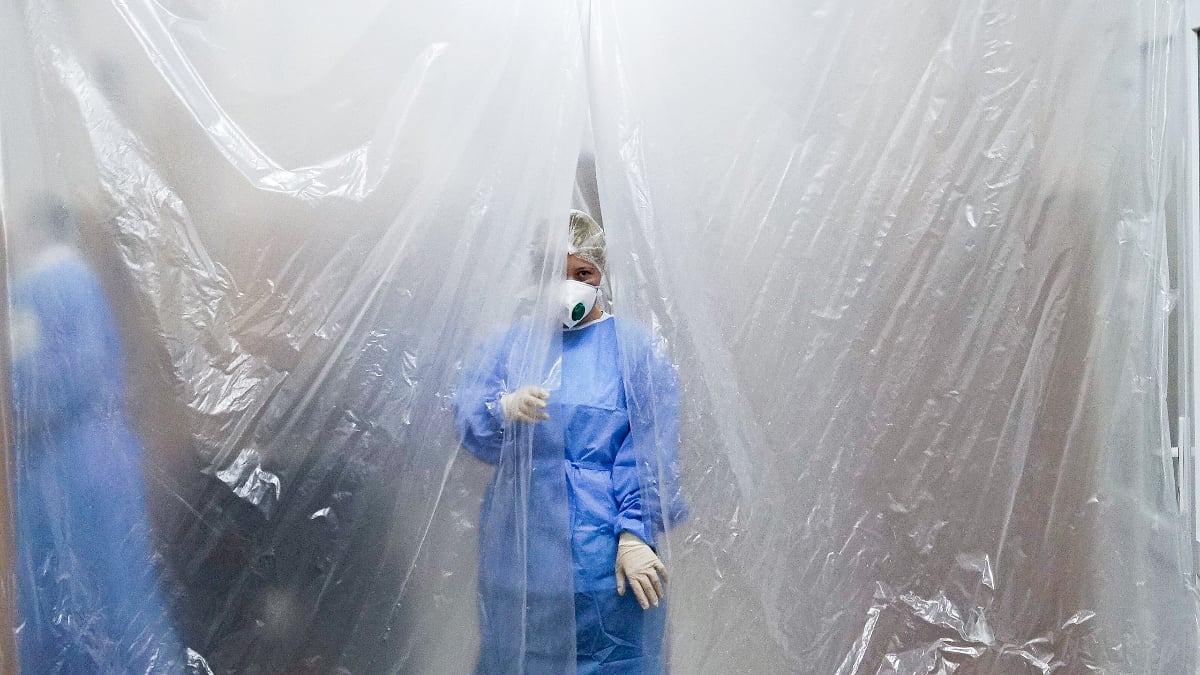

The COVID-19 pandemic reshaped our understanding of how viruses can impact our lives. After witnessing overwhelming hospitalizations and deaths, as well as disruptions of economies, we’re now grimly aware of the vulnerabilities in global health systems. However, there’s a chance we might now be facing another worldwide threat, as a new outbreak in the Democratic Republic of Congo (DRC) has sparked serious concerns.
Based on reports, health experts are now closely monitoring a mystery illness that has claimed the lives of more than 50 people in northwestern Congo over the past five weeks. First detected on Jan. 21, the outbreak has already resulted in 419 recorded cases, according to the Associated Press.
Many patients with this unidentified illness suffer severe symptoms of fever, vomiting, and internal bleeding. Its signs are also commonly associated with deadly hemorrhagic fevers such as Ebola and Marburg. However, testing has ruled out these known viruses. So far, the disease has spread across two remote villages. As such, authorities are keeping track of its potential to spread further and even reach other countries.
Mystery illness in Congo kills more than 50 people — just hours after they felt sick.
— ∼Marietta (@MariettaDaviz) February 25, 2025
The interval between the onset of symptoms – from fever to death… 48 hours.
The latest disease outbreak in the Democratic Republic of Congo began on Jan. 21, with 419 cases recorded and 53… pic.twitter.com/gdRWcVw3UU
During the COVID-19 pandemic, the United States rapidly mobilized researchers to hasten vaccine development despite the significant challenges in containment, misinformation, and political division. The ordeal opened everyone’s eyes to the importance of early detection, transparent communication, and reliable public health infrastructure in managing outbreaks. Given these lessons, U.S. health researchers and authorities, such as the Center for American Progress, have been pushing for efforts focused on public health investments since 2022.
Vigilance is key to preventing another public health crisis in the wake of this mystery disease from Congo. However, determining whether this new illness could reach the U.S. remains difficult. Limited data, a lack of confirmed transmission pathways, and the remoteness of the affected villages make it challenging to assess the true risk involved. Local experts have yet to determine if the disease spreads from person to person or if environmental factors, such as contaminated food or water, play a role in its transmission.
The outbreak began in the village of Boloko, where three children who consumed a bat died within 48 hours, according to CNN. Soon after, additional cases were reported in Bomate, a village more than 120 miles away. The rapid disease progression and high fatality rate have heightened concerns among health officials. “That’s what’s really worrying,” said Dr. Serge Ngalebato, medical director of Bikoro Hospital, a regional monitoring center.
Congo’s Ministry of Health reported that approximately 80% of patients exhibit similar symptoms, including fever, chills, body aches, and diarrhea. While these symptoms could be linked to common infections such as malaria, officials remain cautious due to the speed at which the illness has proven fatal in some cases. The World Health Organization (WHO) has since launched an investigation into the cluster infections.
The U.S. has historically played a key role in supporting Congo’s health sector. As the country’s largest bilateral health donor, the U.S. has helped train field epidemiologists to detect and control emerging diseases. However, the current outbreak was detected during a period when the Trump administration had frozen foreign aid for a 90-day review.
We appear to be heading toward a full scale constitutional crisis.
— Rep. Adam Smith (@RepAdamSmith) February 27, 2025
Trump announced that he is terminating 10,000 foreign assistance awards, including over 90% of USAID programming.
We cannot just stand by and let this happen. pic.twitter.com/47k3kyqUIJ
So for now, the question remains whether this outbreak will follow the pattern of previous localized epidemics or whether it could pose a more significant global threat. While early reports did not indicate an immediate risk to the U.S., continued monitoring and international collaboration are needed to map out the possible trajectory of this mysterious illness.









Published: Feb 27, 2025 06:38 am