


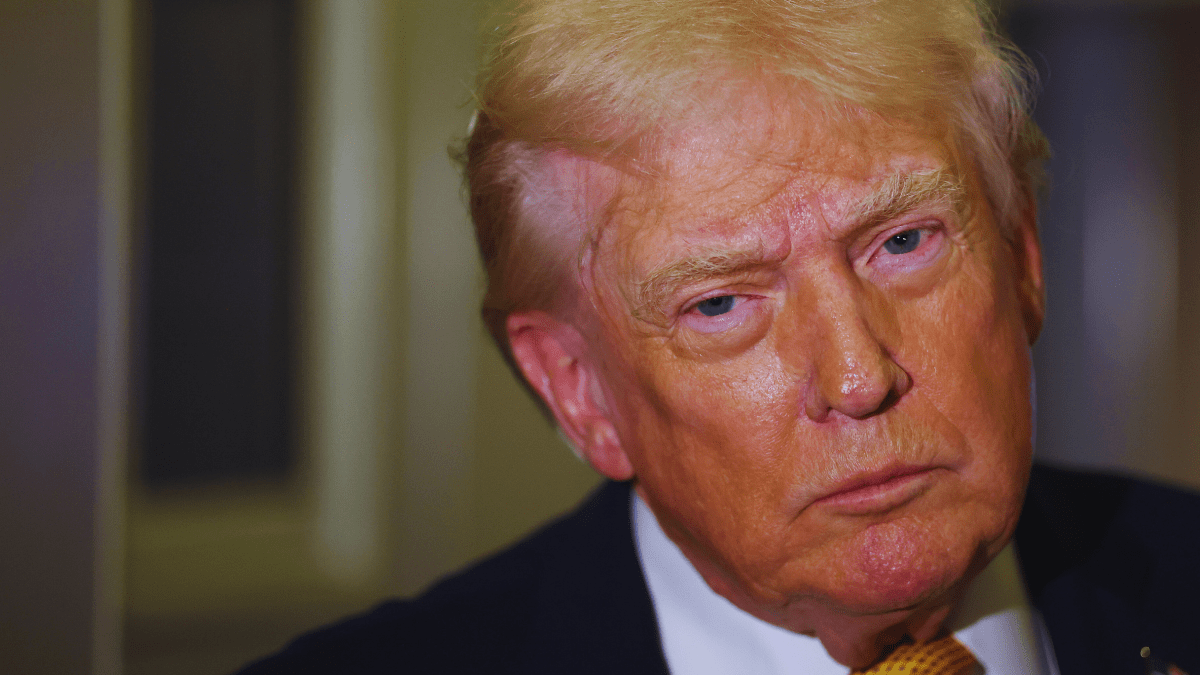

Donald Trump’s operation in Venezuela now threatens to throw the entire Western world into disarray. What started as a direct targeting of Nicolas Maduro quickly turned into threats against Cuba, Mexico, Colombia, and Greenland, with suggestions that similar interventions might be imminent.
Venezuelan President Maduro was a controversial figure in geopolitics long before Trump’s capture of him took place. He has been accused of election fraud, ties to international drug traffickers, and intolerance of dissent within his own country. There have been videos of Venezuelan residents even celebrating his ousting in the streets. For many in the nation, it doesn’t matter how the thorn in their flesh was removed. What matters most is the chance to rebuild.
But for agencies like the UN, the how will always matter. For champions of democracy and sovereignty, the hard-fought principles of “international law,” and each country’s right to self-determination — even when decisions are wrong or right — are non-negotiable. According to Al Jazeera, Brazil, Chile, Colombia, Mexico, Uruguay, and Spain have called the Trump administration’s actions a “dangerous precedent for peace and regional security.”
“Similarly, the illegality of the US attack does not diminish the responsibility of Venezuelan officials for years of repression and violence.
— United Nations Geneva (@UNGeneva) January 5, 2026
The Venezuelan people deserve solutions that fully comply with international law.”
– Independent International FFM on Venezuela pic.twitter.com/J9DwE4iknP
As for European leaders, the initial reaction to Maduro’s arrest was split, with the ever-controversial French President Emmanuel Macron supporting the move, while perennial U.S. allies in the United Kingdom subtly condemned it. Trump initially claimed that his only reason for attacking the Maduro regime was its alleged narco-terrorism ties. But through one of his controversial pardons, Trump absolved former Honduran president Juan Orlando Hernández of a similar narco-terrorism conviction. Reportedly, Trump was also pushed into action after Maduro mocked him with a dance.
Ultimately, however, from the beginning Trump made it clear he was more interested in exploiting Venezuelan oil. The nation holds the largest oil reserves among oil-rich countries. Trump has, for years, expressed that his main grievance with the Iraq and Libya operations was that previous administrations never seized those nations’ natural resources.
It is that very ideology that has now come back to bite European allies who initially championed Trump’s actions in Venezuela, once they realized he harbors similar ambitions for Greenland in the name of securing U.S. national interests. This time, France led a statement reaffirming that it recognizes Greenland solely as a territory of Denmark. Officials noted that the entire structure of NATO could be threatened by such a move — if it ever materializes. The Trump administration has repeatedly made clear that it intends to follow through on its declarations.
Joint Statement on Greenlandhttps://t.co/ORMWHpKEJt pic.twitter.com/wu1SdF1INN
— Statsministeriet (@Statsmin) January 6, 2026
Colombian President Gustavo Petro was far more biting in his response to Trump’s threats. The two leaders have gone back and forth throughout Trump’s second term, with Petro even warning that the escalation could lead to war. In response to Trump’s latest threats, Petro took a direct swipe at Trump’s Jeffrey Epstein ties, saying, “A clan of paedophiles wants to destroy democracy in Colombia. Harsh, yes, but that’s the reality.” Trump will likely not take the personal swipes too kindly, if his reported response to Maduro’s mockery is anything to go by. According to The Canary, Petro warned that Trump will turn Venezuela into “another Libya, full of slaves.”
The Trump administration clearly did not anticipate that a single move would cause this level of international disarray. It remains to be seen how it will deploy its diplomatic tools to contain this new crisis.


Published: Jan 6, 2026 04:54 pm