


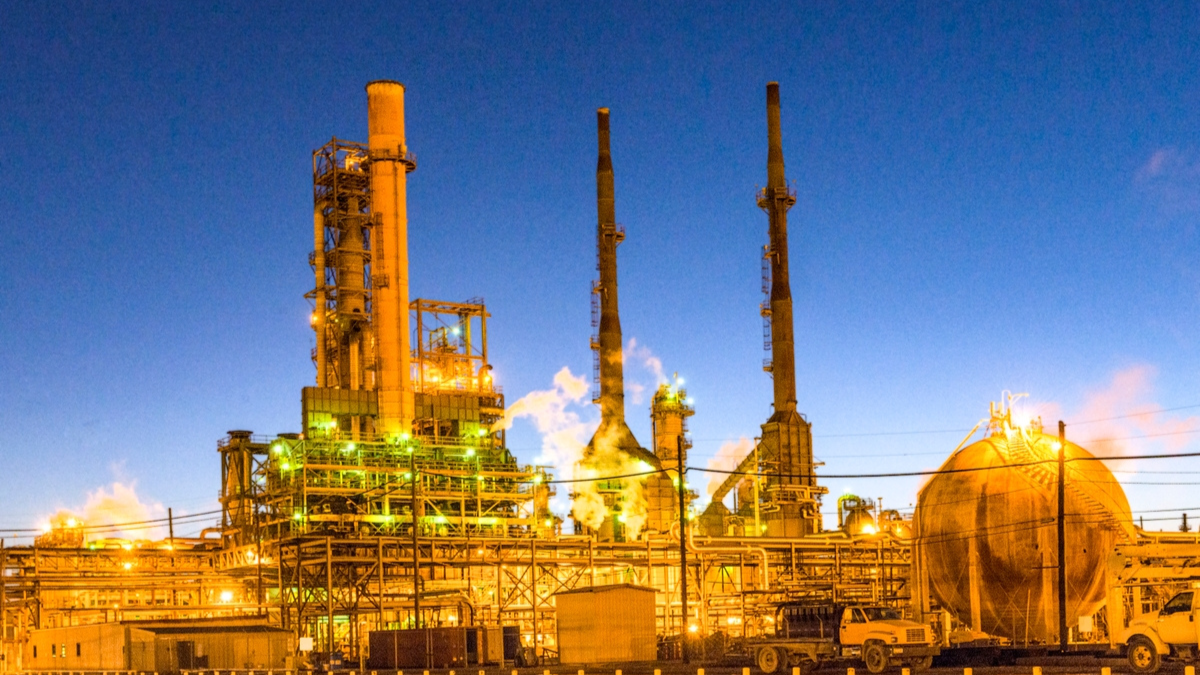

The Valero Port Arthur Refinery in Texas is one of the largest oil refineries in the United States. It produces 435,000 barrels a day and recently experienced an explosion. Thankfully, no injuries or fatalities have been reported, but Valero Energy’s relationship with defense contracts — more specifically with Israel — has given this accident a new life.
Much like every other oil refinery, Valero’s Port Arthur facility has attracted the usual mix of complaints and support; climate activists have called for it to be shut down over its impact on air quality, while politicians have credited the jobs it brings. But this particular refinery has its own unique challenge — there are protestors convinced that the company sells its oil to the Israel Defense Force.
Recently, Israel’s popularity has been waning in the U.S. The Iran war’s confused messaging has created a situation where some Americans cannot quite figure out how the alliance between the two countries benefits them. And according to Huwaida Arraf of the Freedom Flotilla Coalition, Valero’s Port Arthur Refinery has been extremely influential in “fueling” Israel’s war in Gaza.
In a video posted on X in response to the refinery’s explosion, Arraf accused Valero of enabling the IDF in its alleged actions in Gaza. Valero has been here before — when previously accused, the company explicitly denied selling jet fuel directly to Israel, reiterating that it is just a “contractually bound supplier” of jet fuel to the U.S. military. However, multiple reports have pointed to a $200 million Defense Logistics Agency contract that lists Valero as a key supplier of JP-8 jet fuel and EN590 diesel linked to Israeli operations.
The company is the main supplier of jet fuel to Israel. pic.twitter.com/tpmxcRyWRm
— 🅓🅔🅡🅘🅣🅞🇰🇪 (@BiGpUssssY) March 24, 2026
There is still no confirmed cause of the explosion at the Port Arthur refinery. But activists have been stationed outside the facility for years, organizing protests, blockades, and boycott calls. This latest incident will likely be met with a strategic pivot from the Freedom Flotilla Coalition, which has been trying to raise awareness about the company’s alleged ties to the war in Gaza since reports of its involvement surfaced.
The coalition’s website states: “To condemn and publicize the complicity of other governments and global actors in enabling the blockade. Most notably, the US government has underwritten Israel’s violence against Palestinians for decades, funding Israel’s military at the rate of approximately $4 billion dollars every year and using most of its vetos in the UN Security Council in the last three decades to protect Israel from condemnation for its humanitarian crimes and violations of international law.”
Activists have yet to release an official statement on the explosion. It’s unlikely they’ll stay quiet for long, though a consistent part of their messaging has been to avoid endorsing or celebrating harm — which, in this context, limits how they can respond without contradicting their own stance.
As for Valero Energy, which generates roughly $120 billion in annual revenue, this incident represents a significant setback — but likely one the company has the capacity to absorb.
These are genuinely grim times when nearly everything — from oil refinery mishaps to economic downturns — ends up being framed through the lens of war, as if every headline now comes with an invisible asterisk that reads: “and here’s how this ties back to conflict.”








Published: Mar 24, 2026 08:09 am