


President Donald Trump’s latest update is that his administration expects the war to last about four weeks. There are varying predictions and analyses from around the world about how the conflict could unfold — but if you trust the man who started it to have foreseen a speedy ending, perhaps it’s time to consider some of the short-term issues now being forecasted, chief among them gas prices and energy markets.
Right now, one campaign promise being held up to Trump’s face is how he pledged no more “forever wars,” only to start one roughly 12 months into his term. But there is another promise this new war will reportedly ensure he can’t keep: affordable oil and gasoline prices in the U.S.
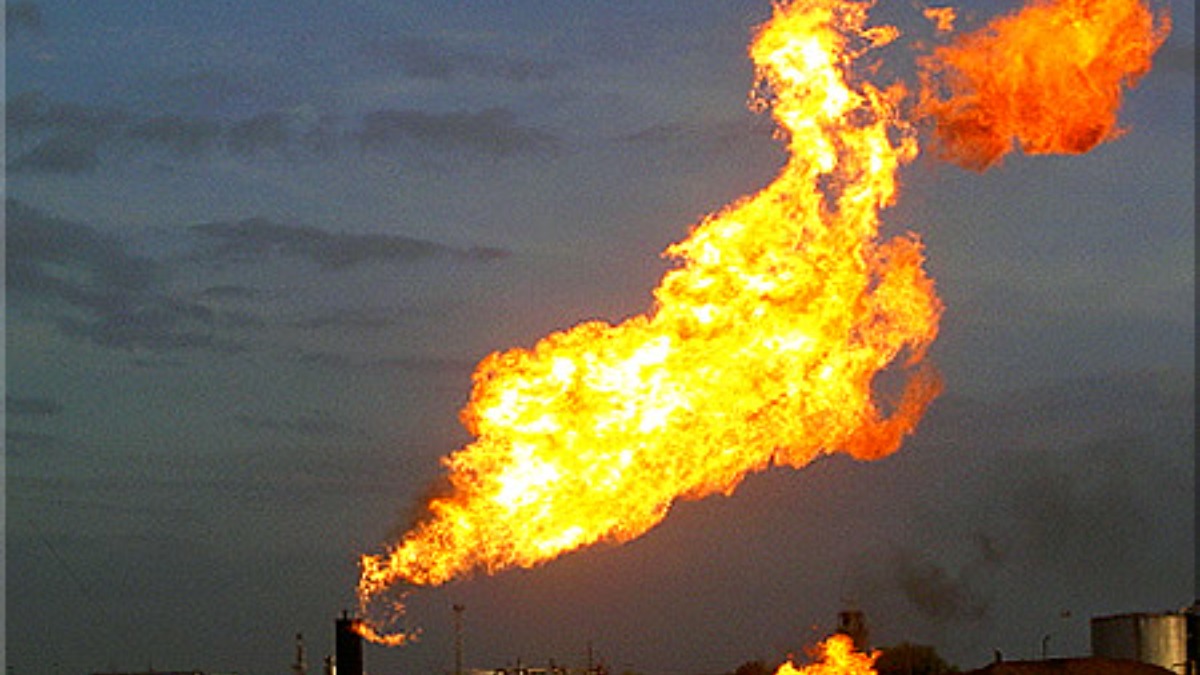
Even before the war began in late February, crude oil had already risen significantly — by about 17% this year — largely because of Trump’s rhetoric against Iran, according to multiple energy reports. Once the strikes began, oil prices surged again, with U.S. crude jumping more than 10% and Brent crude climbing above $78 per barrel.
In the days following the attacks, U.S. gasoline prices crossed the $3-per-gallon mark, a threshold not seen in months, and analysts warn they could continue rising. That shift matters to everyday Americans far more than abstract barrel prices: a jump at the pump directly affects household budgets, transportation costs, and inflation.
NBC reports JPMorgan Chase CEO Jamie Dimon weighed in on the economic impact of the conflict, saying, “This right now will increase gas prices a little bit, and again, if it’s not prolonged it’s not going to be a major inflationary hit. If it went on for a long time, that would be different.” In other words, if the fighting continues beyond the projected few weeks — or if Iran disrupts major transit routes — the effects could be more serious.
One of the key economic risks is the Strait of Hormuz, through which about 20% of the world’s crude passes daily. Reports indicate that if Iran uses control of this chokepoint as leverage — for example, by restricting tanker traffic — oil prices could spike even further. Some analysts have suggested oil could approach triple-digit per-barrel levels if the conflict widens or supply infrastructure is disrupted.
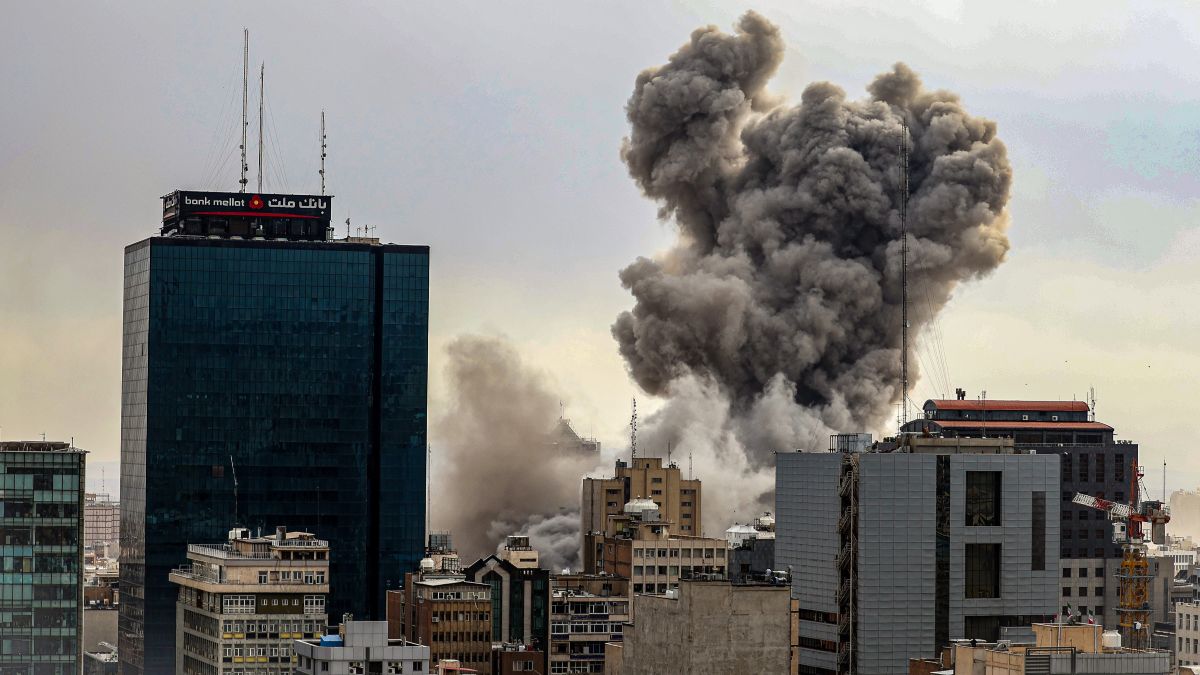
Everything depends on how quickly Trump and Israel can wrap up the war. Trump was notably successful and swift in orchestrating a regime change in Venezuela, and there’s reason to believe he expects similar results in Iran. But after the U.S. and Israel struck Iran’s Supreme Leader and the fighting continued, analysts quickly shifted focus to deeper and more complex geopolitical and economic questions — including the depletion of high-end munitions after the long Ukraine war.
War is complex. And one of the clearest realities is this: the people most affected are civilians, who will have to pick up the pieces once cities have been damaged and economies upended. Trump made a big decision, and now the reality of war is slowly seeping in — first at the pump, and potentially into broader inflation and economic pressure if the conflict lasts longer than expected.





Published: Mar 3, 2026 02:04 pm