


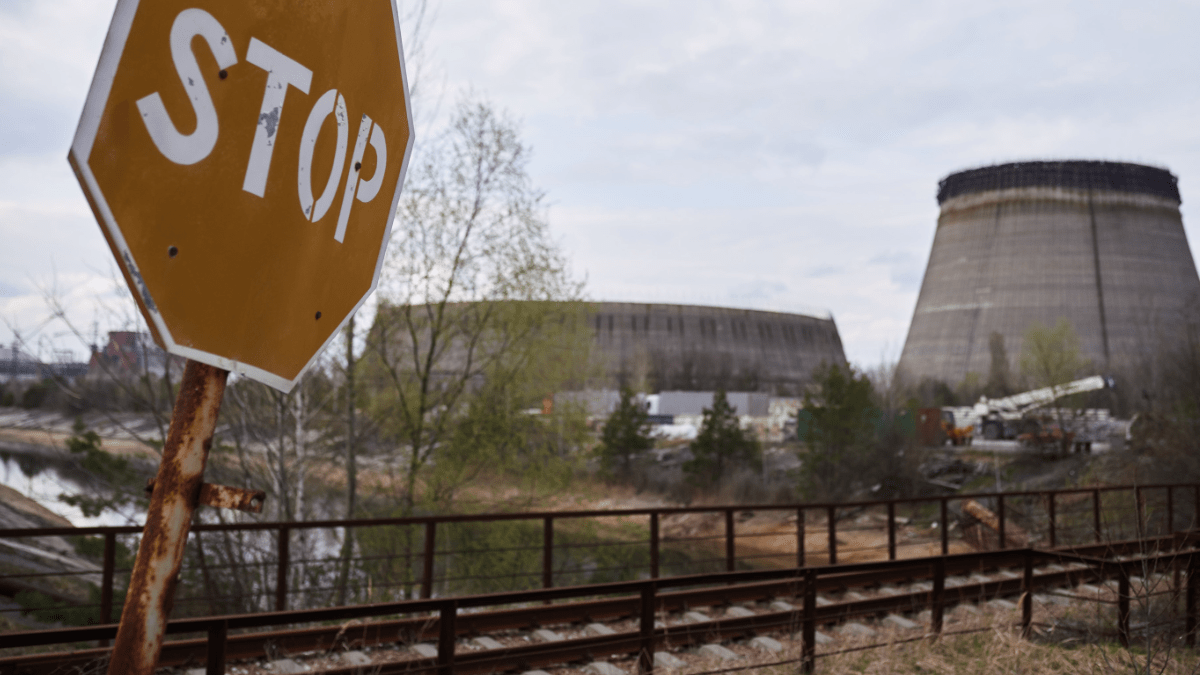

The massive structure designed to keep radiation contained at the defunct Chornobyl nuclear plant in Ukraine is no longer working after it was hit by Russian drone strikes earlier this year, according to the U.N.’s nuclear watchdog.
That’s the main news, and honestly, it’s chilling. The structure, known as the new safe confinement (NSC), has officially “lost its primary safety functions,” prompting a serious warning from the International Atomic Energy Agency (IAEA), per Politico.
This isn’t just a minor technical glitch. The large steel structure lost its critical “confinement capability” after its outer cladding caught fire. This massive failure happened back in February when Russian drones struck the facility, setting that exterior layer ablaze.
The IAEA report confirms that the facility sustained serious damage to its primary safety systems. Losing confinement capability means the structure, designed to stop radioactive leakage, is compromised. Not good!
Russia may endanger the entire world
If you aren’t familiar with this incredible feat of engineering, the NSC is a colossal arch that was built to replace the original, crumbling reactor structure. It was part of a huge, Europe-led initiative that cost an astounding €1.5 billion. Completed in 2019, its purpose is to permanently seal off the reactor at the heart of the 1986 meltdown.
There is a small silver lining in the damage assessment, though. While the outer cladding was set on fire and the confinement capability is gone, the IAEA noted that there was “no permanent damage to its load-bearing structures or monitoring systems.” If the main support pillars had been damaged, we would be facing a far more catastrophic situation than we are currently.
Despite the structural integrity holding up, the situation demands urgent attention. Limited temporary fixes have been carried out on the roof, but everyone agrees that these aren’t nearly enough. Comprehensive restoration is a non-negotiable requirement if we want to prevent the situation from getting worse.
IAEA Director General Rafael Mariano Grossi was very clear about the necessity of timely action, stressing the need to secure the site for the future. He stated, “Limited temporary repairs have been carried out on the roof, but timely and comprehensive restoration remains essential to prevent further degradation and ensure long-term nuclear safety.” When the world’s nuclear watchdog says restoration is “essential,” you know it’s a top priority that can’t be delayed.
Fortunately, securing the necessary funding for these massive fixes is already underway. The European Bank for Reconstruction and Development is set to provide additional money next year to tackle the restoration project. We’re hoping that these funds arrive quickly and that the comprehensive repairs can begin soon, ensuring that this critical piece of global nuclear safety infrastructure is restored to full function.



Published: Dec 8, 2025 08:38 am