


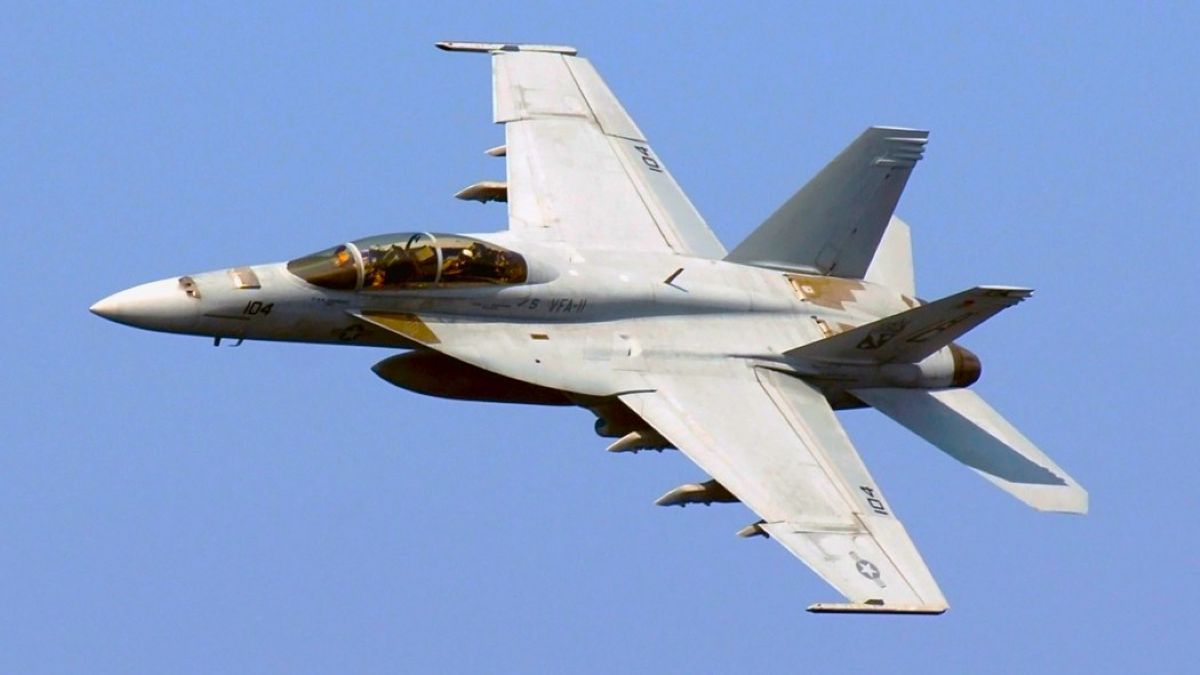

A House Oversight Committee has slammed the US Navy for not conducting any tests or research to determine if its fighter pilots are suffering brain injuries. The report comes alongside mounting concern about severe neurological damage resulting in mental health conditions for pilots and aviators.
As per Stars and Stripes, a report by the military and foreign affairs subcommittee found that despite the suicides of three Super Hornet fighter pilots in recent years, the US Navy “did not take meaningful action to address the issue,” and that warnings have been disregarded.
In plain terms, the report concluded: “Despite internal warnings and external reporting, the Navy has not taken the steps necessary to determine whether it is systemically exposing its aviators to long-term brain injury.” In response, the committee’s GOP leaders accused the US Navy of doing “a disservice to those who serve.” The US Navy has not responded.
“Your brain gets squished to the back of your skull”
The report stems from a 2024 New York Times expose which claimed that catapult launches from aircraft carriers combined with repeated high-speed maneuvers are damaging pilots’ brains. They reported accounts from former pilots and crew describing the consequences.
For example, TOPGUN graduate and F/A-18 pilot Matthew “Whiz” Buckley said he suffers from neurological issues. He told Fox News in 2025 that “Landing aboard an aircraft carrier, it’s literally a car crash. It’s the equivalent force of sitting in your driveway, in your car, and having a crane take you up to the second story and dropping you. … As a fighter pilot, pulling Gs, so I would fight the jet on the edge of consciousness. .. I’d merge with a bad guy in training, pull seven, eight, nine Gs. When you do that, the blood rushes out of your head.”
Buckley now says he suffers from confusion, forgetfulness, and a short temper, “I remember really being hard on myself, like. Well, what is wrong with you, man? You’re a fighter pilot. You’re on top of the world. What’s wrong with you? So that would cause its own spiral,and added, “In 15 years of flying fighters, I’ve lost three F-18 brothers to suicide.”
Lisanne Rosales, ex-wife of TOPGUN graduate Capt. Jacob “John” Rosales said in the NY Times article that she recognized the warning signs and urged her husband to seek counselling. He reportedly refused, as he feared his career would be over. She explained he eventually suffered from anxiety so paralyzing that he was unable to choose cheese at the store. Rosales would go on to die by suicide.
Dr. Kristin Barnes, a former F-14 Tomcat radar intercept officer for 22 years and now a physician, described launches bluntly in the NY Times article: “Your brain gets squished to the back of your skull. You can heal from that once – you can heal from it 10 times. But I did it 750 times.”
The House report aims to help pilots suffering neurological damage, recommending the Pentagon remove the stigma about mental health care, with the Republican leaders urging legislation to require studies to be undertaken and emphasizing: “Naval aviators who have potentially suffered from traumatic brain injuries and other neurological ailments deserve the ability to seek out healthcare without feeling ostracized or weak.”









Published: Sep 9, 2026 05:21 am