



The Justice Department just stirred up a major hornet’s nest by sending Congress a six-page letter that included a list of about 300 “government officials and politically exposed persons” named in the massive Jeffrey Epstein file release.
This whole situation is a mess, because the DOJ decided to throw out all these high-profile names without giving anyone the slightest clue about why they were mentioned in the files.
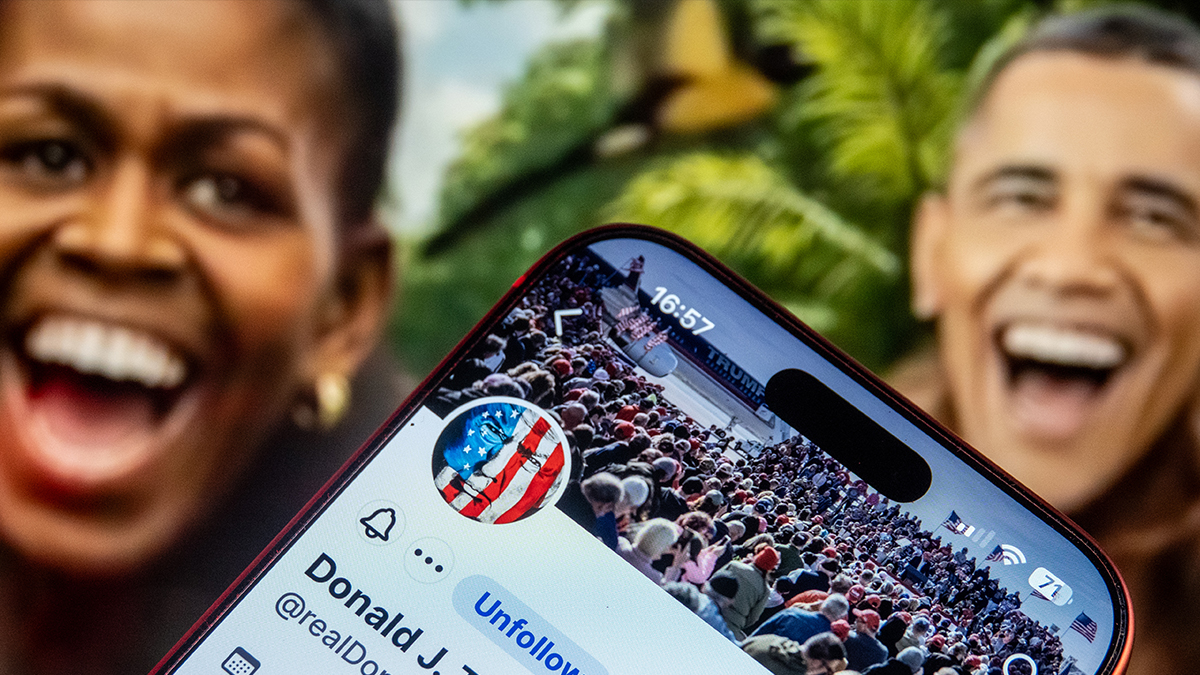
Attorney General Pam Bondi and Deputy Attorney General Todd Blanche sent the letter to the leaders of the House and Senate Judiciary committees, outlining the department’s justification for the redactions they made in the documents. The Hill reported that the list of 300 names is a who’s who of global figures, including President Trump, Barack and Michelle Obama, Microsoft founder Bill Gates, Bill and Hillary Clinton, and celebrities like Jay Z.
Bondi and Blanche explained that the individuals listed appeared in a “wide variety of contexts.” They stressed that some people had “extensive direct email contact” with Epstein or his associate Ghislaine Maxwell, while others were merely referenced “in a portion of a document (including press reporting) that on its face is unrelated to the Epstein and Maxwell matters.” This lack of clarity about which person fits into which category immediately drew fire.
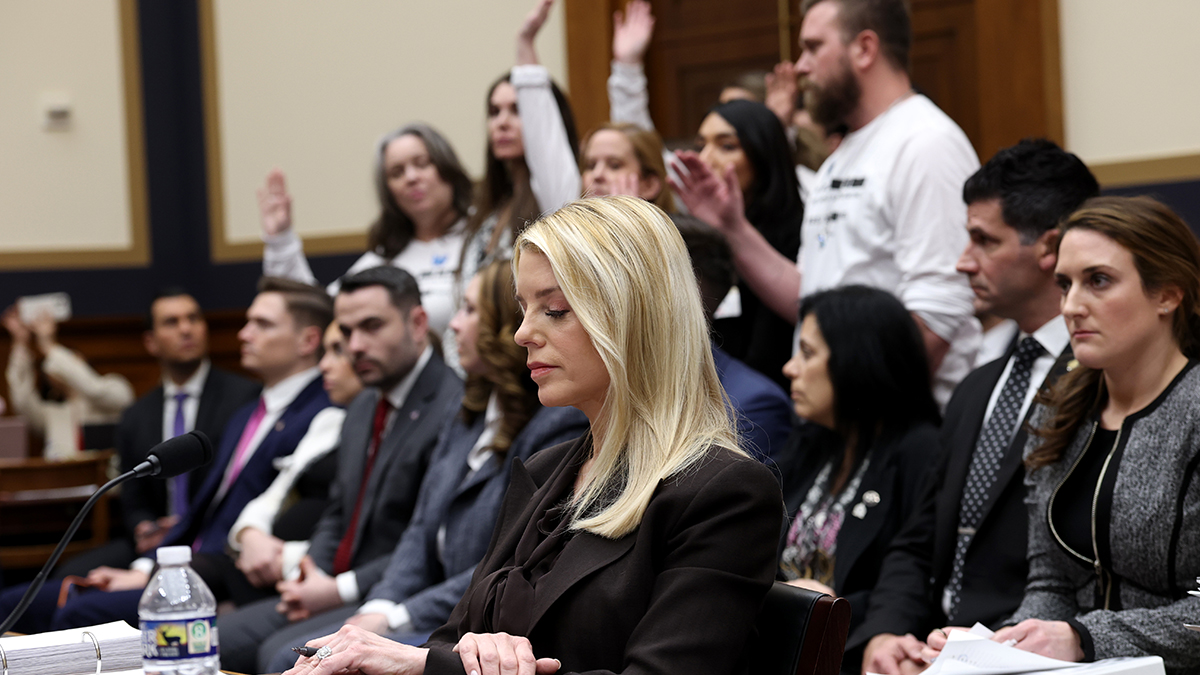
The letter feels like a hissy fit following Bondi’s disastrous testimony
Congressman Ro Khanna immediately accused the DOJ of “purposefully muddying the waters on who was a predator and who was mentioned in an email.” Khanna pointed out the total absurdity of including Janis Joplin, who died when Epstein was 17, right next to Larry Nassar, a convict, all on the same list with zero explanation. “Release the full files. Stop protecting predators. Redact only the survivor’s names,” Khanna wrote online, demanding full disclosure.
The DOJ leadership is defending its actions, insisting that they have released “all” the documents they were legally required to reveal. They clarified that files withheld from the public are subject to legal reasons, such as “deliberative-process privilege” and attorney-client privilege, in addition to protecting victims’ personally identifiable information.
Crucially, they emphasized that no records were withheld or redacted because of “embarrassment, reputational harm, or political sensitivity, including to any government official, public figure, or foreign dignitary.” This controversy over the list adds fuel to the existing fire over transparency. Lawmakers who were allowed to review the unredacted files at a DOJ office complained that the documents contained heavy and “unnecessary” redactions.



Published: Feb 16, 2026 08:43 am