



Congressional Democratic leaders have just come across a classic tech Paradox. Lawmakers want the footage for accountability, especially after federal agents fatally shot two American citizens in Minneapolis, but privacy advocates are screaming that ICE body cameras will just provide another avenue to track and identify protesters.
Democrats, who made the universal use of body cameras one of their prime demands for imposing accountability on Immigration and Customs Enforcement (ICE), are now scrambling to put limits on how the resulting footage can be used. Legal observers and lawmakers have already accused ICE of leveraging various types of cameras to surveil protesters, through license plate readers and facial recognition programs.
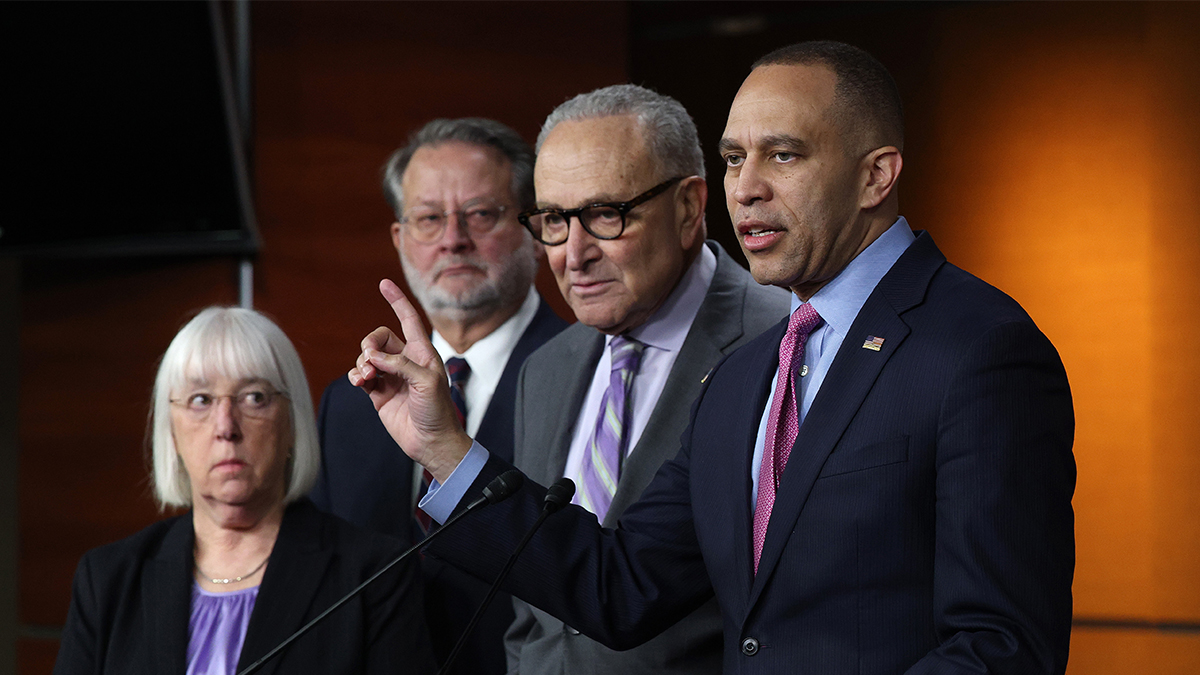
House Minority Leader Hakeem Jeffries and Senate Minority Leader Chuck Schumer sent a letter to Republican leadership on Wednesday night, indicating they want to tack on specific restrictions to any funding bill for the Department of Homeland Security (DHS). According to Politico, the core demand is straightforward: “Prohibit tracking, creating or maintaining databases of individuals participating in First Amendment activities,” from body camera footage.
I think that this is a valid concern
Sen. Ed Markey, who has previously proposed banning ICE agents from using facial recognition entirely, strongly supported the effort to limit the body camera footage. He said, “We want to make sure that we have the accountability for how these officers conduct themselves on the streets of our country, but we don’t want it in turn to be used as a way of coming back and suppressing free speech.”
The shift in stance comes after serious reports of ICE activity. One court filing in a lawsuit accusing the agency of violating constitutional rights claimed an agent told a legal observer they were using facial recognition and that a body camera was recording. In another interaction noted in the same lawsuit, an ICE agent chillingly told a protester, “We have your license plate, we know where to find you.”
Rep. Pramila Jayapal noted that they’ve seen multiple examples of agents filming protesters, forcing them to submit to face scans, and even hinting at maintaining a database of protesters. ICE teams have been so aggressive that they have been causing the public to panic at any abnormalities.
This request for new limits on surveillance is complicating ongoing negotiations with Republicans to pass a DHS funding bill. DHS, for its part, criticized the proposals to limit surveillance, stating that “sanctuary politicians attempting to ban our federal law enforcement from using tools and technology to track down criminals” would make cities less safe.



Published: Feb 10, 2026 04:38 am