



The Department of Justice (DOJ) just announced that it will give Congress access to the unredacted Jeffrey Epstein files starting Monday. This is a satisfying result of the outcry following the DOJ’s choices about what information to redact, shielding the identities of powerful people mentioned in the documents while failing to protect the victims.
The Hill reported that Assistant Attorney General Patrick Davis confirmed the plan in a letter sent to all 535 members of Congress. Davis wrote that the department is “making unredacted versions of the more than 3 million pages of publicly released documents available for review by both houses of Congress starting Monday.”
The most egregious examples that sparked immediate outcry involved several messages where the sender’s identity was blacked out. In one awful exchange, a sender referenced a 9-year-old girl, and another message included the sickening phrase, “your littlest girl.” It seems the DOJ was protecting the reputations of these senders, which is exactly what the law was meant to prevent.
This, right here, is the right thing to do
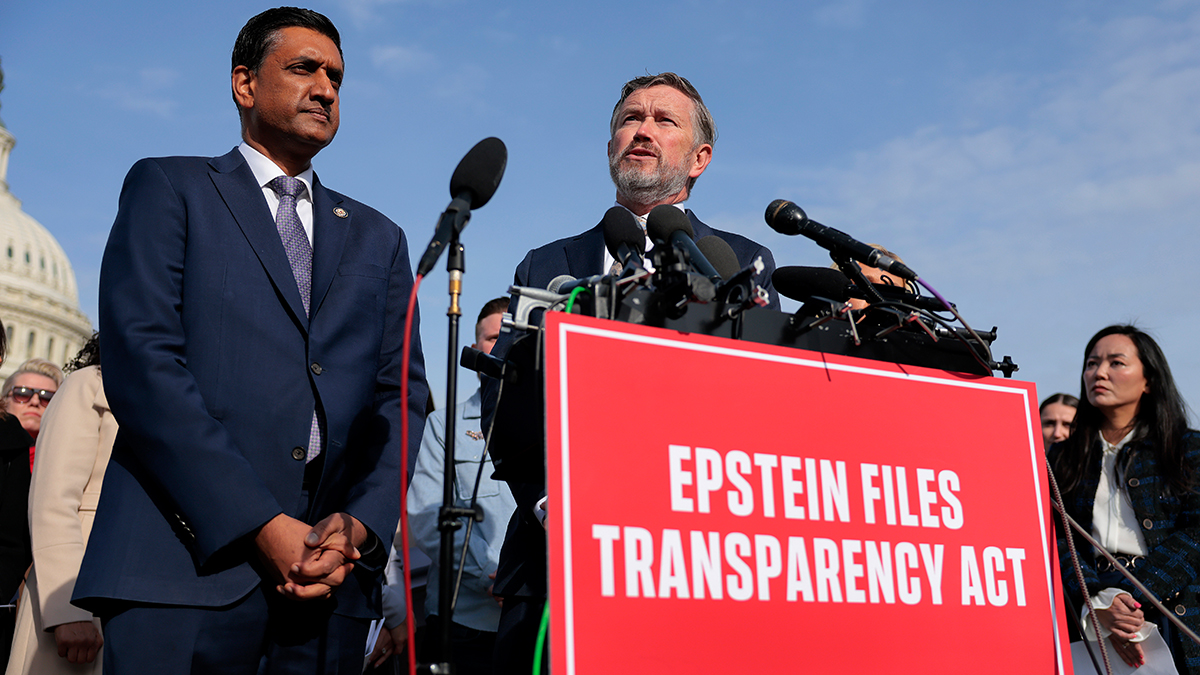
This lack of transparency immediately caught the attention of Representatives Ro Khanna and Thomas Massie, the two lawmakers who sponsored the original legislation that forced the public release of the files. Rep. Khanna even took to X, posting snapshots of the redacted emails and demanding a meeting with Deputy Attorney General Todd Blanche, “to ask why the senders of these emails have been redacted.”
He wrote that concealing the reputations of these powerful men is a “blatant violation of the Epstein Transparency Act we passed.” That Act was specifically designed to allow redactions only in very narrow circumstances, primarily to protect victims’ personally identifiable information, not to protect public figures from embarrassment.
Despite the recent release, some lawmakers, like Rep. Jamie Raskin, believe that the DOJ hadn’t fully complied with the law, releasing only half of the identified 6 million potentially responsive pages. In his letter to the department, he wants to make sure the redactions aren’t being used to avoid “embarrassment, reputational harm, or political sensitivity, including to any government official, public figure, or foreign dignitary.”
The documents released so far have already dropped some serious bombshells, containing salacious details and unverified claims regarding various public figures, including President Trump. You can see why Congress wants to ensure that every relevant name is out there if it doesn’t violate victim privacy.
Lawmakers will be able to review the files in a dedicated reading room located at the Department of Justice. They won’t be permitted to bring in electronic devices, which is standard procedure for sensitive materials, but they are absolutely permitted to take notes. Allowing this level of access is a huge win for transparency, and hopefully, it means we’ll finally get a full picture of who was involved.




Published: Feb 8, 2026 11:09 am