


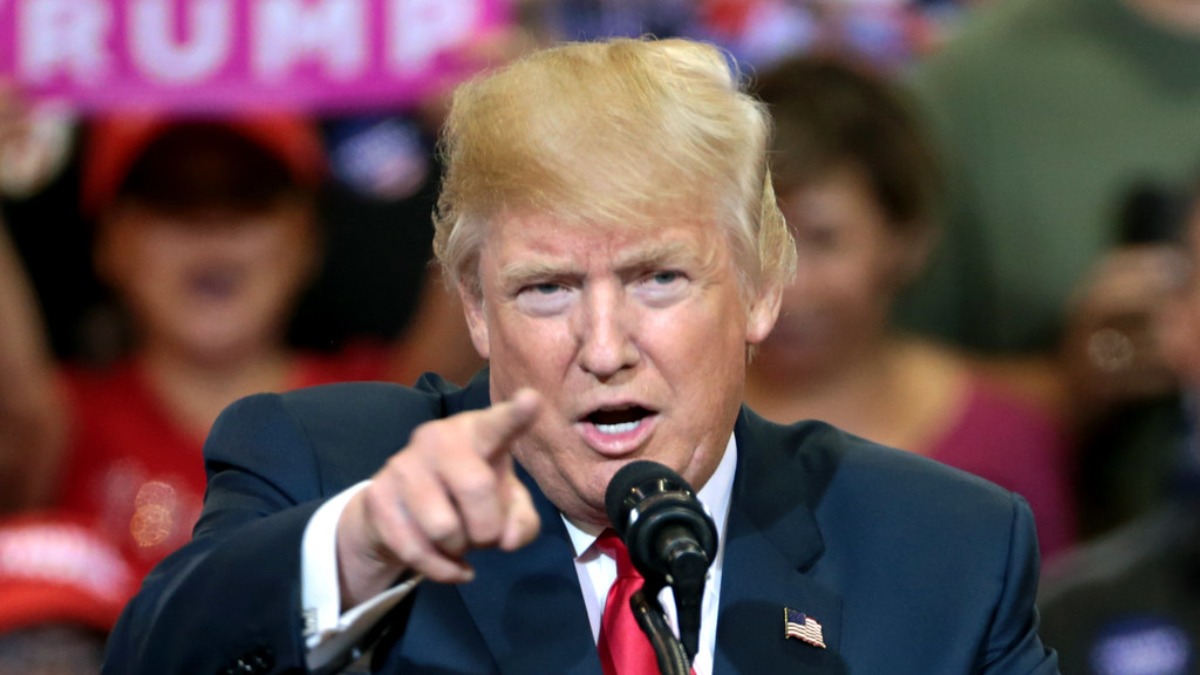

Oil prices have pulled back slightly after surging past $110 per barrel, and G7 nations are now considering tapping their emergency oil reserves. The market chaos comes as the war in the Middle East continues. President Trump has told Americans that the spike in oil prices is a “very small price to pay” for dealing with Iran’s nuclear threat. He also believes “only fools” would disagree to this assessment.
Earlier, oil prices jumped over 25%, hitting levels not seen since mid-2022 when Russia’s war in Ukraine shook global markets. West Texas Intermediate, the U.S. crude benchmark, saw its biggest gain in futures trading history last week, surging about 35% in a way not seen since 1983. Prices have since pulled back to around $105 per barrel, with global benchmark Brent trading near $108.8.
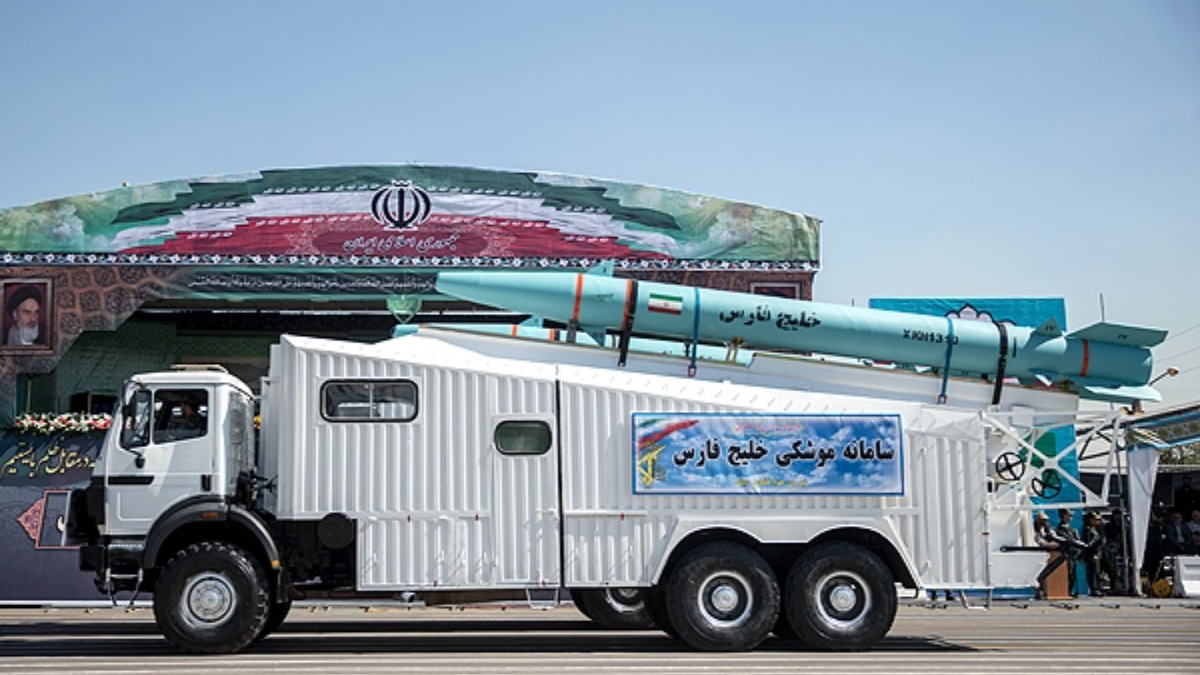
According to CNBC, the dramatic jump is tied to the ongoing war with Iran and its impact on the Strait of Hormuz. This narrow waterway handles about 20% of the world’s oil exports. With Iran threatening tankers, ships have stopped moving through the Strait, effectively cutting off a major export route for several key OPEC producers.
The oil supply squeeze is hitting major OPEC producers harder than most people realize
Because they cannot export their oil, countries like Iraq, Kuwait, and the United Arab Emirates are running out of storage space and have had to cut production. Iraq, the second-biggest OPEC producer, has seen output from its three main southern oilfields drop by 70%, falling to just 1.3 million barrels per day from 4.3 million before the war. Kuwait, the fifth-largest OPEC producer, announced production and refinery cuts due to the Iranian threats.
The United Arab Emirates, the third-biggest OPEC producer, said it is “carefully managing offshore production levels to address storage requirements.” Shortly after oil prices crossed $100, President Trump posted on Truth Social that the rise in “short term oil prices” was a “very small price to pay” for destroying Iran’s nuclear threat. He added, “Only fools would think differently!”
Trump has also been vocal about allies not joining the effort, and threatened repercussions against the UK for refusing to join the Iran war. G7 finance ministers were expected to hold a call at 8:30 AM EST to discuss a coordinated release of crude from their strategic reserves, a move aimed at stabilizing markets and bringing prices down.
Meanwhile, the war shows little sign of stopping, despite Trump’s claim that it was “already won.” Separately, polls showing Trump’s failures on prices and the Iran war suggest that many Americans are not convinced by his messaging on the conflict.
Iran has reportedly named Ayatollah Ali Khamenei’s son, Mojtaba, as its new supreme leader, following the killing of Khamenei by the U.S. and Israel in the opening days of the conflict. This development suggests the situation on the ground remains far from settled.
Energy Secretary Chris Wright said that traffic through the Strait of Hormuz will resume once the U.S. has destroyed Iran’s ability to threaten tankers. He expects to see a more regular resumption of ship traffic in “a few weeks,” not months, offering some hope that oil flows could normalize relatively soon.




Published: Mar 9, 2026 10:42 am