


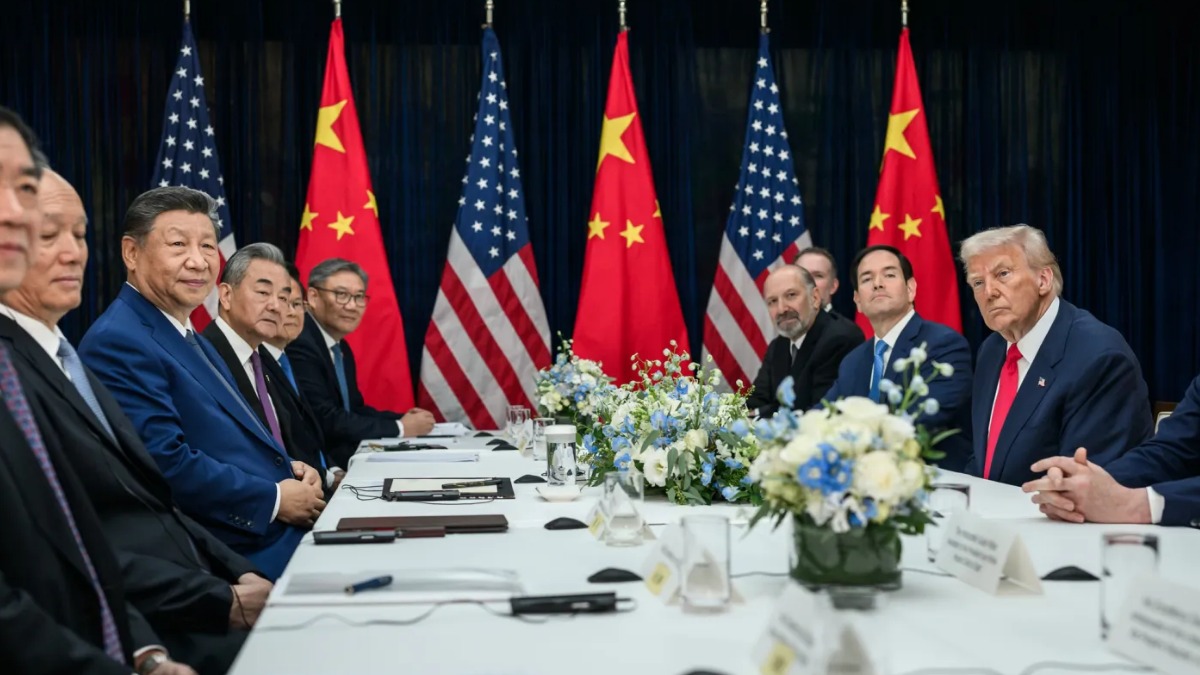

Donald Trump has issued a stark warning to Beijing, threatening a 50 percent tariff if intelligence reports regarding a supposed weapons shipment to Tehran prove true. This development comes at a sensitive moment, as the world watches a fragile ceasefire between Iran and the US.
Per CNN, US intelligence claims China is currently preparing to deliver new air defense systems to Iran within the next few weeks. According to three people familiar with these recent assessments, this transfer would involve shoulder-fired anti-air missile systems, known as MANPADs.
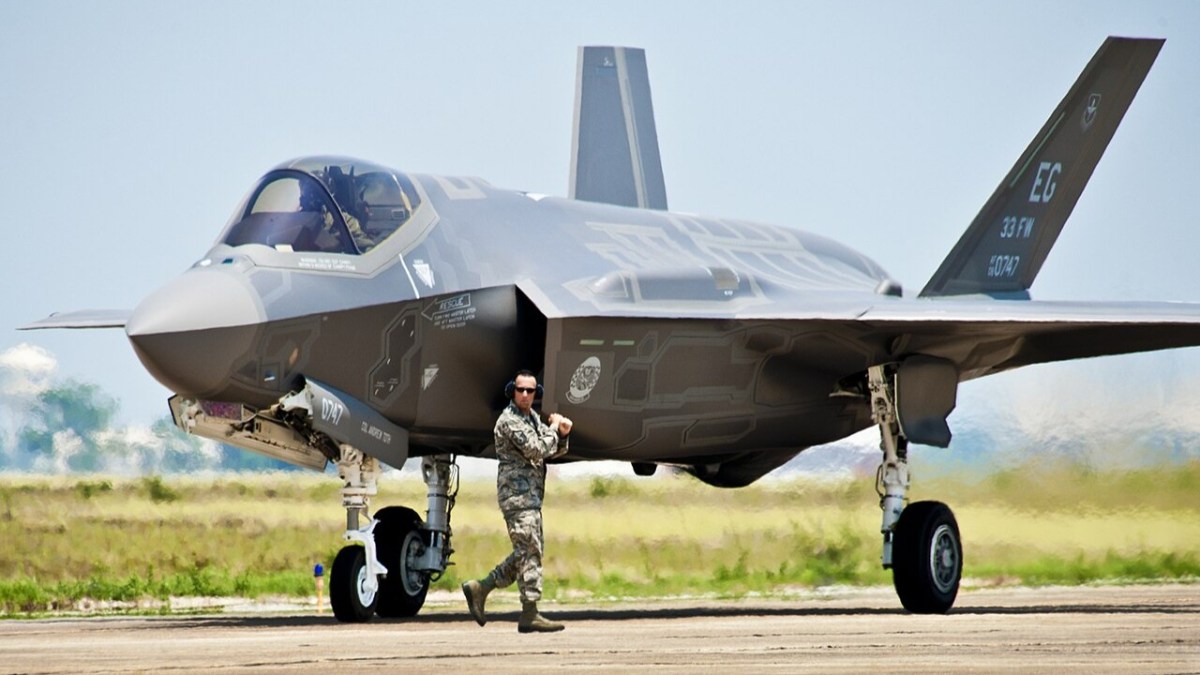
These weapons would be particularly concerning to the United States because they pose an asymmetric threat to low-flying US military aircraft. Throughout the course of the five-week war, these systems were a major danger, and they could easily become a factor again if the current ceasefire collapses.
China, of course, vehemently denies this
As a spokesperson for the Chinese Embassy in Washington stated, “China has never provided weapons to any party to the conflict; the information in question is untrue.” The embassy further urged the US to stop making what they called baseless allegations and engaging in sensationalism, insisting that China is committed to helping de-escalate tensions.
In fact, Trump has already threatened tariffs against countries that might deal with Iran. With this situation, the intelligence suggests that Beijing might be trying to play both sides. Sources claim that China is working to route these shipments through third countries in an attempt to mask their true origin.
One source familiar with the situation noted that China likely sees no strategic value in overtly entering the conflict to protect Iran, knowing the situation would be unwinnable against the US and Israel. Instead, Beijing appears to be balancing its need for Iranian oil with a desire to remain outwardly neutral, to maintain plausible deniability once the fighting finally stops.
When asked about the situation on Saturday as he left the White House for Florida, Trump was blunt. He indicated that Beijing would face serious consequences if it went through with the supposed transfer, stating, “If China does that, China will have big problems, OK?”
That being said, he didn’t confirm if he had spoken directly to President Xi Jinping about these specific shipments. Trump is scheduled to visit Beijing early next month for high-level talks, which makes this potential escalation even more precarious.
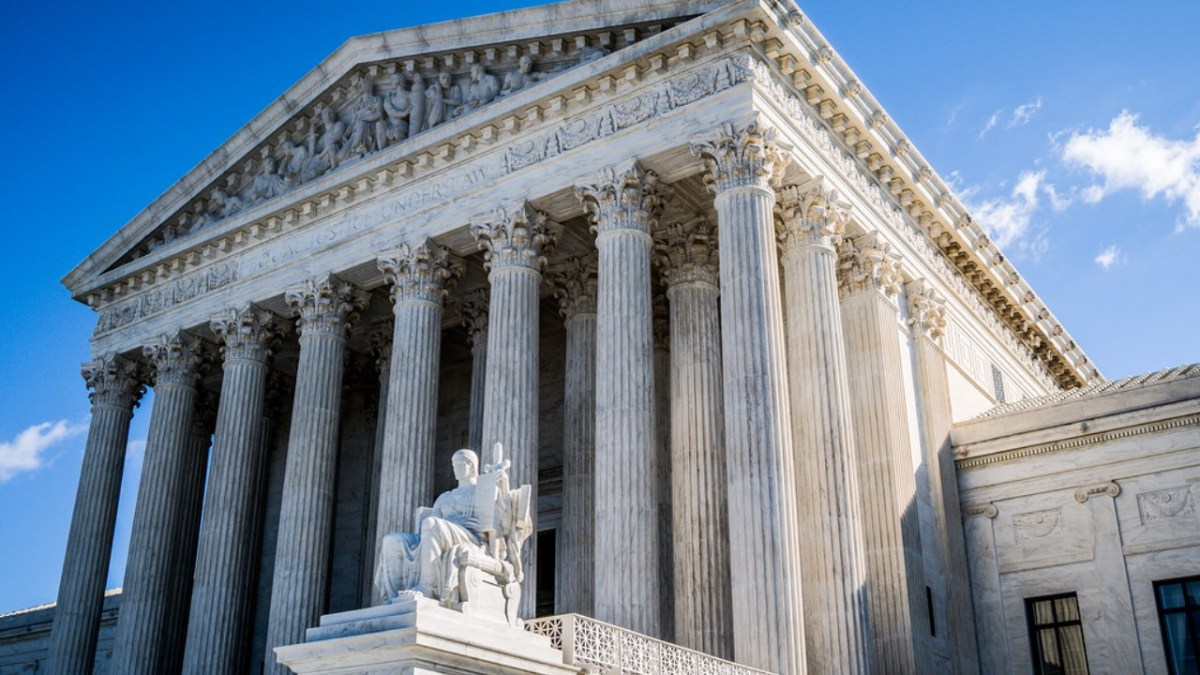
The timing is especially interesting when you look at the broader landscape of US-China trade, which is a confusing web of interweaving import duties, including Section 301 tariffs, Section 232 national security measures, and a temporary global tariff that was implemented after the Supreme Court struck down previous IEEPA-based measures. As of February 2026, the trade-weighted average tariff rate on Chinese goods sits at 29.7 percent.
This is down from previous highs, but it remains the highest of any country. The threat of a 50 percent tariff is a significant escalation that would surely shake up the already strained economic ties between the two nations. It’s worth noting that the US has previously used high-percentage tariffs—such as the 50 percent duties on semi-finished copper products and certain household appliances—as a tool to exert pressure.
Whether this latest threat will actually materialize remains to be seen. The intelligence highlights a troubling pattern where Iran may be using the current ceasefire as a window of opportunity to replenish its weapons systems with the help of key foreign partners.
Chinese companies have reportedly been selling sanctioned dual-use technology to Iran for some time. However, a direct transfer of weapons systems by the Chinese government would represent a major, and potentially game-changing, shift in their level of assistance. It should be noted, though, that none of Trump’s tariffs have actually impacted the Chinese economy negatively. The only people to have suffered are Americans.





Published: Apr 14, 2026 08:21 am