



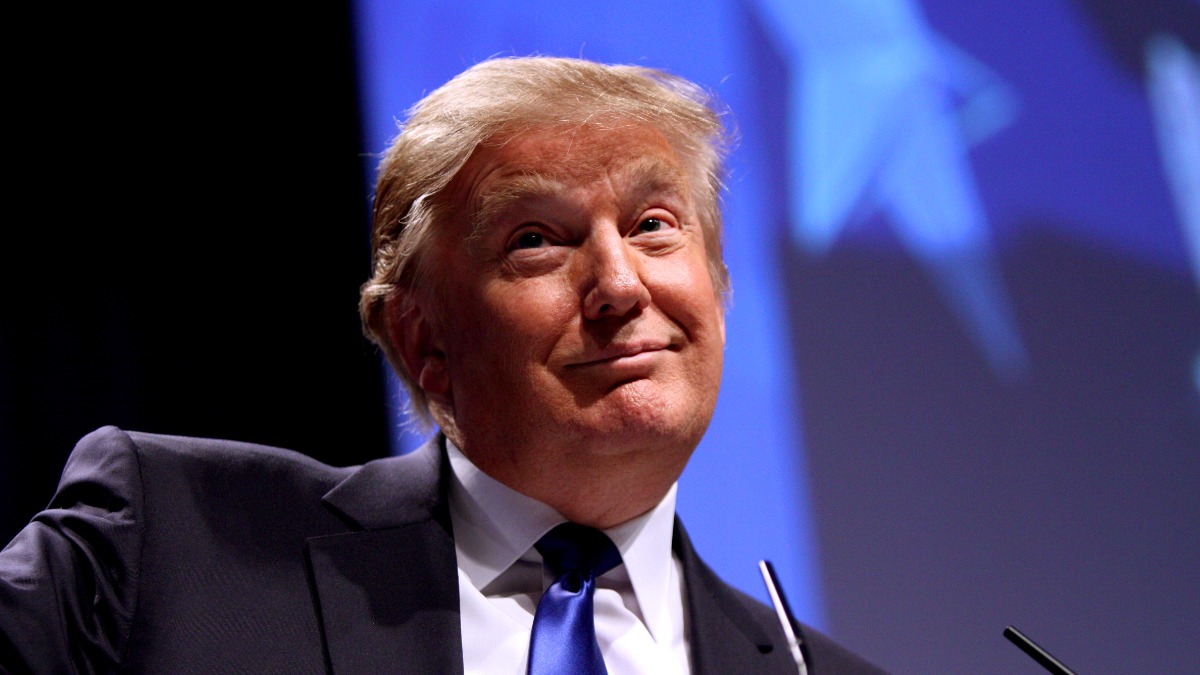
President Donald Trump is set to continue his one-sided conflict against the South African government. After deciding to skip this year’s G20 summit hosted in Johannesburg, South Africa, Trump has now announced that he will double down by refusing to invite any South African delegates to next year’s summit in Miami. According to his administration, South Africa is “not a country worthy of membership anywhere.”
The origins of the conflict between Trump and South African President Cyril Ramaphosa actually stem from the apparently uncultured tech mogul Elon Musk rather than anything personal between the two leaders. Post-pandemic, it became clear that one of the ways Musk intended to expand his vast business empire was by securing South African market access for his satellite internet company, Starlink. At first glance, it’s unclear how a seemingly routine business expansion turned into an international scandal between two allies.
All of Musk’s businesses complement each other, and Starlink is crucial to Tesla’s transition toward autonomous vehicles. South Africa is one of the biggest car markets in the Global South, making it a strategic location for Musk to anchor his companies. However, South Africa has a law requiring that any telecommunications company entering the country must have 30% local black ownership.
South Africa has never fully recovered from apartheid, meaning the majority Black population continues to suffer from extreme inequality. The 30% rule is one of the ways the government attempts to level incomes in the country. Of course, Musk — an insider within the Trump administration, which has been aggressively opposed to DEI — was quick to label these laws as “racist ownership laws.” But considering the United States itself has demanded similar concessions from TikTok, the argument quickly fell flat.
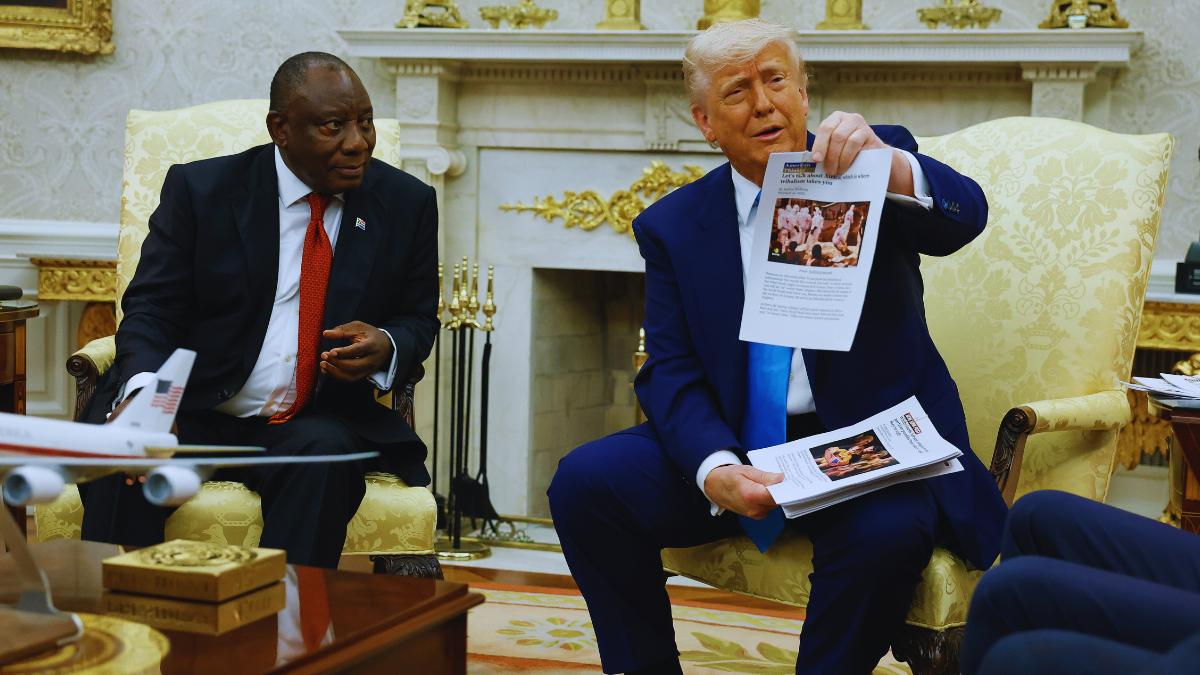
That’s when the Trump administration and its allies began pushing the narrative of a supposed white genocide in South Africa. The claim has been repeatedly debunked, but that didn’t stop the White House from staging a chaotic televised meeting where Trump showed Ramaphosa images of mass graves in the Democratic Republic of Congo, claiming they were evidence of South Africa’s alleged white genocide.
Months later, the issue still hasn’t subsided. South Africa has refused to change its laws to accommodate Musk’s companies, and Trump continues applying as much pressure as he can. It’s worth noting that despite repeatedly invoking claims of genocide, the slideshow of misattributed images remains the only “evidence” the administration has presented.
According to NBC, after Trump announced that he would not extend South Africa an invitation to the Miami G20 summit, he wrote on Truth Social explaining his absence from this year’s gathering: “The United States did not attend the G20 in South Africa, because the South African Government refuses to acknowledge or address the horrific Human Rights Abuses endured by Afrikaners, and other descendants of Dutch, French, and German settlers. To put it more bluntly, they are killing white people, and randomly allowing their farms to be taken from them.”
The next G20 Summit will be held at the Trump-family-owned Trump National Doral in Miami, Florida.



Published: Nov 27, 2025 09:24 am