


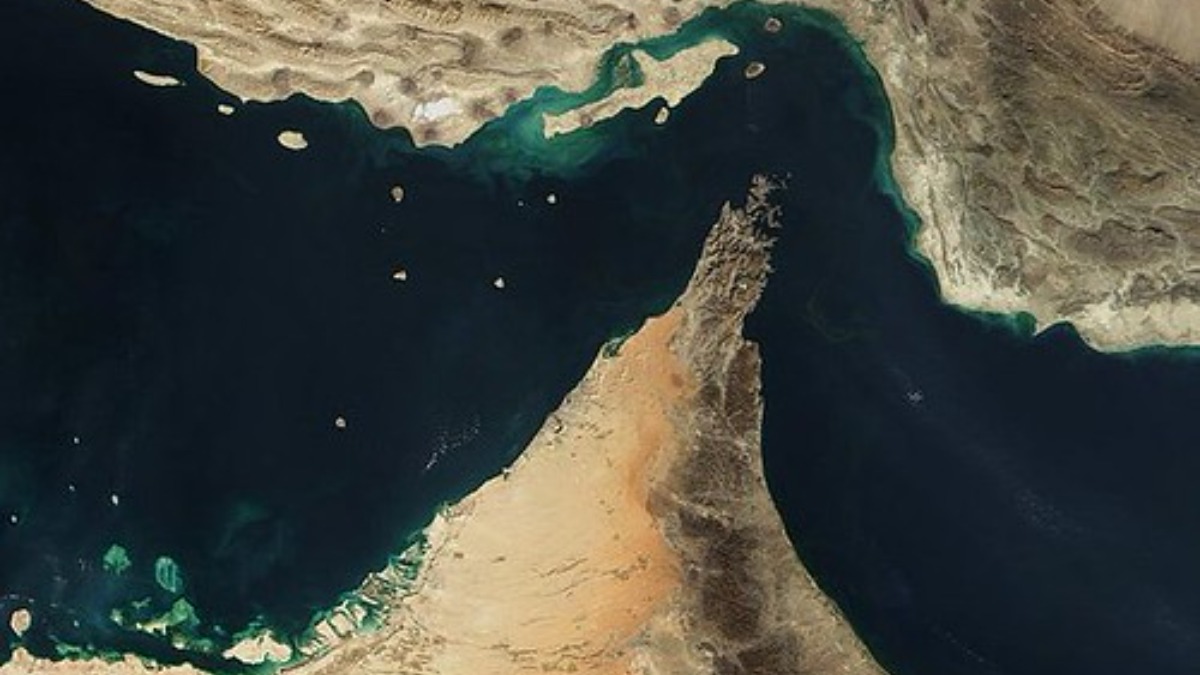

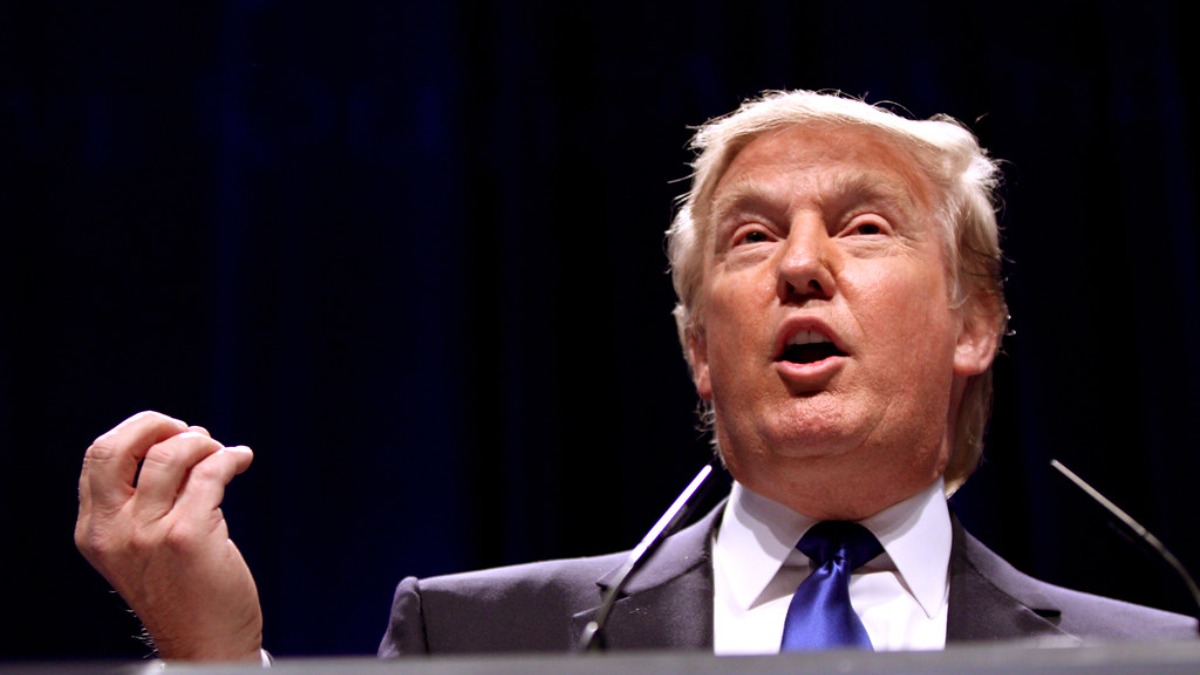
Trump just announced on Truth Social, that “Many Countries, especially those who are affected by Iran’s attempted closure of the Hormuz Strait, will be sending War Ships, in conjunction with the United States of America, to keep the Strait open and safe.” He also declared that the U.S. has “already destroyed 100% of Iran’s Military capability,” but acknowledged the ease with which Iran could deploy quick attacks.
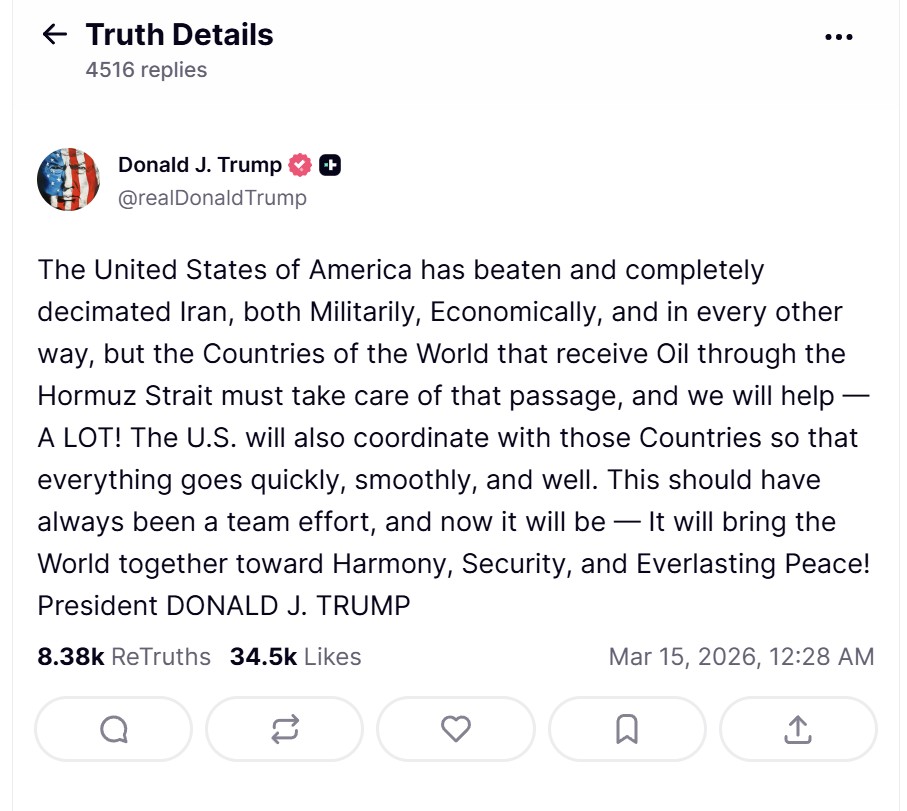
Just a few sentences later, though, he seems to have realized that no one actually made that promise. Per The Hill, he added that he “hopefully” expects China, France, Japan, South Korea, the United Kingdom, and other nations “affected by this artificial constraint, will send Ships to the area so that the Hormuz Strait will no longer be a threat by a Nation that has been totally decapitated.”
Of course, he can’t be seen as weak right, so Trump promised to keep “bombing the hell out of the shoreline, and continually shooting Iranian Boats and Ships out of the water,” to ”get the Hormuz Strait OPEN, SAFE, and FREE!” Since that wasn’t enough posturing, he told NBC in an interview that the military may hit Kharg “a few more times just for fun.”
He is very worried about a country he claims to have decimated
This whole situation stems from Iran’s supreme leader, Mojtaba Khamenei, who ordered on Thursday that the strait remain closed for the duration of the conflict. The closure has already caused a ripple effect, leading to price surges on essential goods, everything from fertilizer to oil and gas.
The administration has floated the idea of Navy escorts before. However, thus far, they’ve been a no-show out of fear of putting vessels in harm’s way. The dangers are very real. On Wednesday, three vessels were hit by unknown projectiles, with Iran’s Islamic Revolutionary Guard Corps later claiming responsibility for one of those attacks. This brings the total number of vessel attacks to 19.
Interestingly, when NBC asked Trump about naval escorts, he said, “I don’t want to tell you anything about that.” He also expressed surprise that US allies in the Gulf have been targeted by Iran, describing it as “the biggest surprise I had of this whole thing.”
Military experts have pointed out that a naval escort isn’t “necessarily a guaranteed success,” since “Drones can fly low and slow, they can fly fast and low, and they can do a lot of damage even to one ship with the Navy not being able to knock it out of the sky.” So instead, Trump went back on Truth Social to put a sheepish plea for support.
It should be noted that France has committed an armada to the region, but only to protect Europe and escort civilian ships as needed.



Published: Mar 16, 2026 01:28 pm