


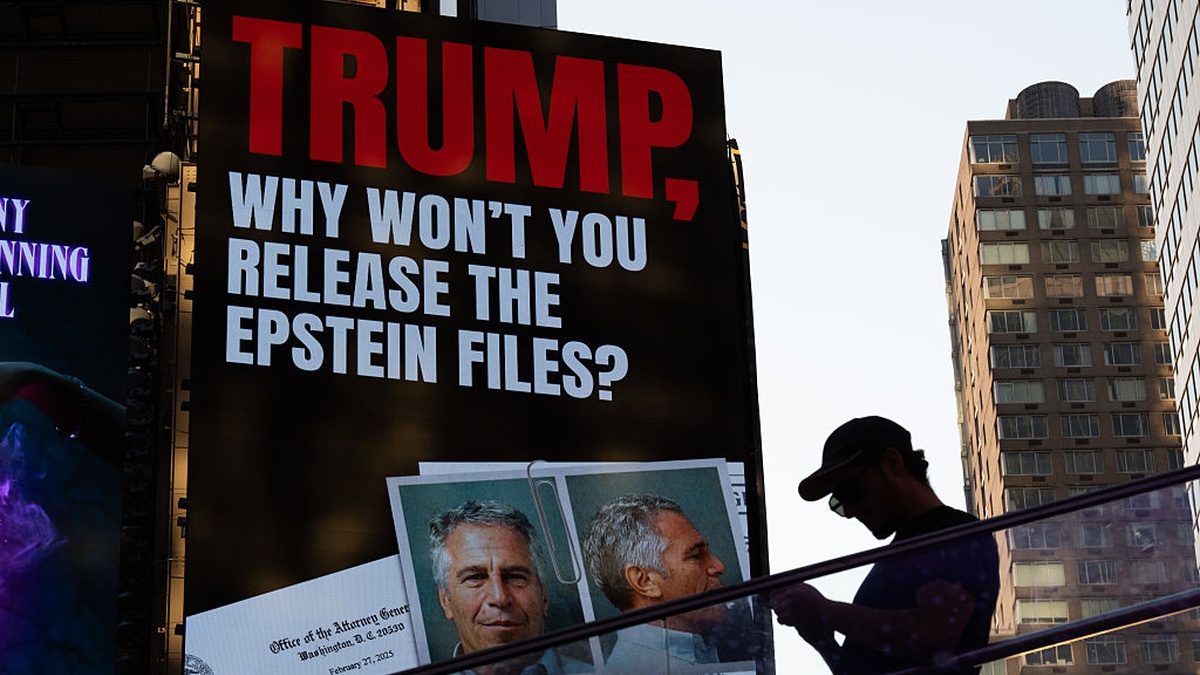

The Donald Trump administration is taking much longer than expected to release files about Jeffrey Epstein, the late sex offender. Based on the current pace, it could take more than eight years to release all the documents.
On Monday, the Justice Department told a court it had released 12,285 files since December 19, when it was required to start. However, the department said there are “more than 2 million documents” still being reviewed.
Even though hundreds of lawyers and major department resources are working on this, the released files are less than one percent of what the DOJ has. If the current speed continues, according to Newsweek, finishing the entire process would take over eight years.
The DOJ is facing serious criticism for the delays
The Trump administration is facing mounting criticism for its handling of Jeffrey Epstein’s files, which many say have been released slowly and incompletely. Lawmakers, advocacy groups, and victims alike have expressed frustration, with some calling for formal investigations and potential penalties for the Department of Justice and its leadership.
The controversy centers around the Epstein Files Transparency Act, which was signed into law on November 19. The legislation mandated that the Justice Department make all unclassified records related to Epstein publicly available within 30 days. Only minimal redactions were permitted, intended to protect the identities of victims, safeguard national security, or preserve ongoing investigations.
The DOJ released many photos and documents on December 19, the deadline. But it was criticized for not releasing everything, making heavy redactions, and removing images with President Trump. Trump’s connections to Epstein have been documented by former staff members over the years. One Epstein victim called it “a slap in our faces,” and Democratic Representative Ro Khanna accused the DOJ of “selective concealment.”
On Christmas Eve, the department said it found “over a million more documents potentially related to the Jeffrey Epstein case.” Last week, reports said the DOJ expanded its review to over five million records. The department has assigned over 400 lawyers to review documents and says they are working around the clock. However, victims have questioned the redaction process and what exactly needs protecting.
Some senators want the Justice Department’s watchdog to investigate why the deadline was missed. Representatives Massie and Khanna are considering holding Attorney General Pam Bondi in contempt over this issue.









Published: Jan 6, 2026 04:56 pm