


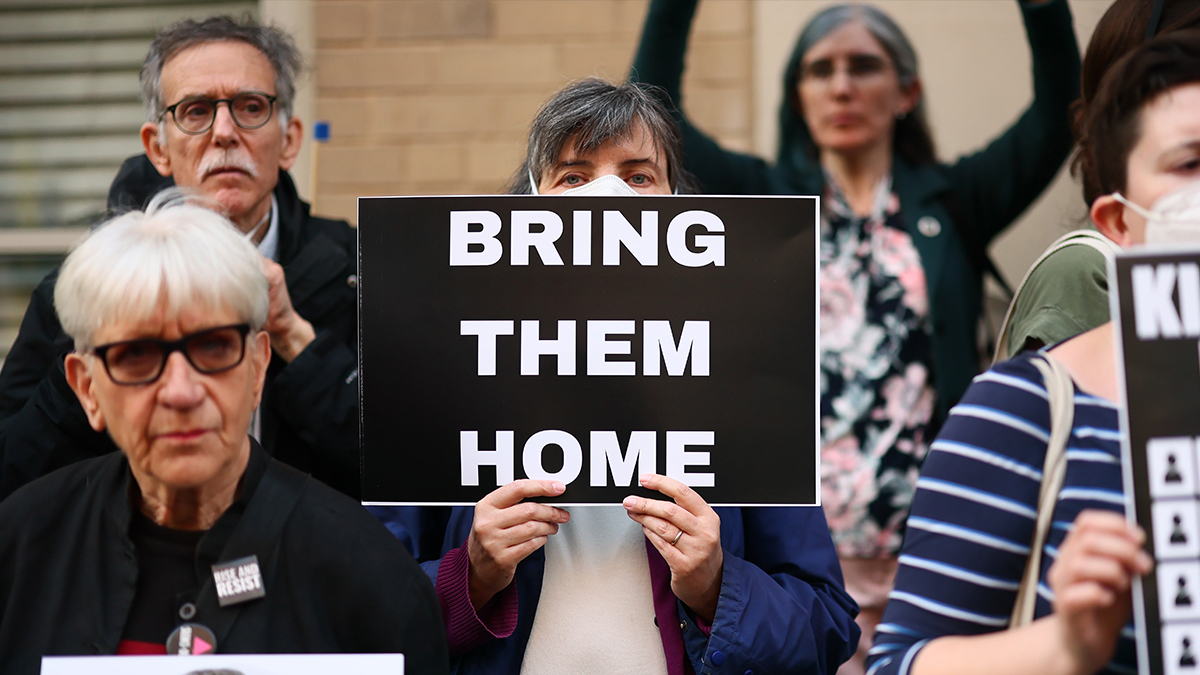

A federal judge issued a major order on Thursday, requiring the Trump administration to bring back a group of Venezuelan men who were hastily deported by DHS last year so they can finally complete their court proceedings. This ruling is a significant judicial setback for the Trump administration’s efforts to ramp up deportations, often without the standard court hearings or advance notice.
Chief U.S. District Judge James E. Boasberg, sitting in D.C., determined that the administration had denied due-process rights under the Constitution to 137 Venezuelan men. They had been removed in March under the rarely invoked Alien Enemies Act. He wrote, “It is worth emphasizing that this situation would never have arisen had the Government simply afforded Plaintiffs their constitutional rights before initially deporting them.”
The logistics here are interesting. The Washington Post reported that the ruling covers deportees who arrive at U.S. land ports of entry or those who take commercial flights into the country. Boasberg specifically ordered the U.S. government to pay for those flights, granting a request from the plaintiffs’ lawyers.
I appreciate that the Judge is insisting on accountability
Unfortunately, the ruling doesn’t immediately cover all 137 men. Because of political and logistical hurdles, it only applies to those who have managed to move to a country other than Venezuela. Many of the original deportees remain unreachable in Venezuela, where they were transferred months after initially being sent to a notorious prison in El Salvador as part of a prisoner swap.
Lee Gelernt, an American Civil Liberties Union attorney working on the case, confirmed that only a handful of the plaintiffs are currently able to benefit. He noted that a few had “managed to get out of Venezuela and want to pursue their rights.” Gelernt stressed that the court has taken a critical step toward providing due process, “Recognizing that the nightmare these men suffered was the fault of the government’s failure to abide by the Constitution.”
The Justice Department intends to appeal the decision. Previously, DOJ lawyers had argued that federal judges couldn’t legally second-guess the executive branch’s deportation decisions. They also claimed it was simply not feasible to locate or provide court hearings for the migrants, especially after U.S. forces deposed Venezuelan leader Nicolás Maduro this year. DHS also defended the deportations, claiming the men were “designated as alien enemies.”
The administration had designated all the deported men as members of the Tren de Aragua gang. Boasberg found they were denied the opportunity to offer evidence to the contrary before deportation. A different deportation attempt was dismissed on similar grounds, while the opportunity to argue his case recently saved a Mexican father from deportation. Upon return, they can challenge the use of the Alien Enemies Act, or their individual designations as gang members.
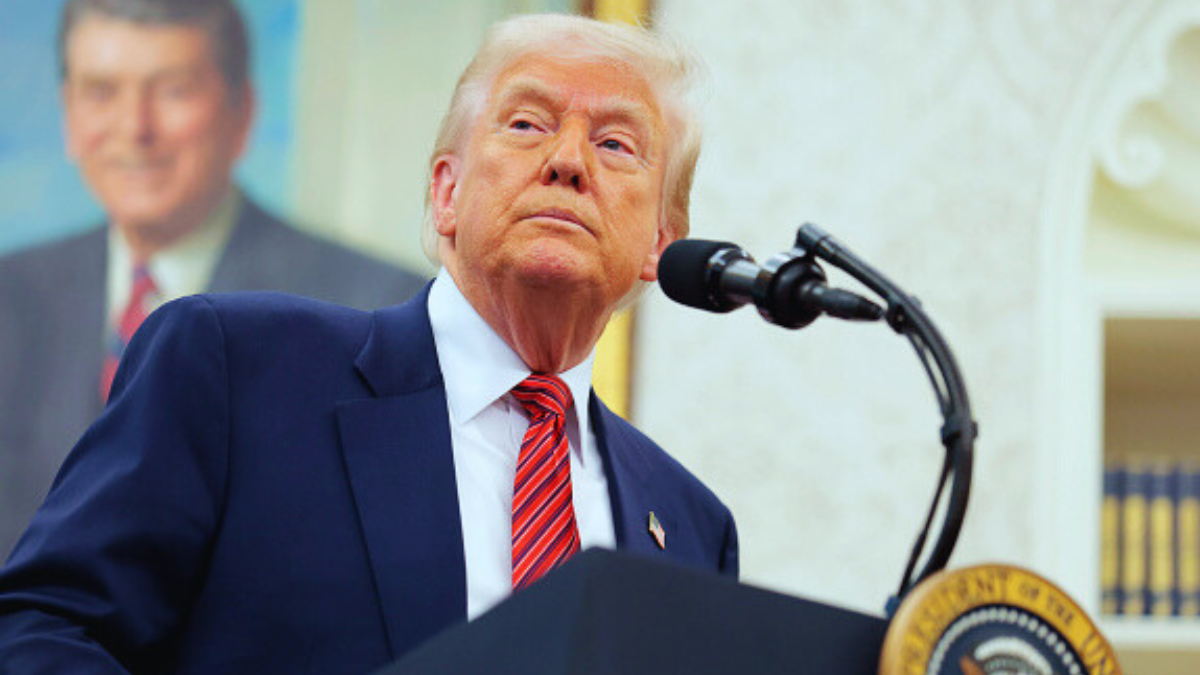
This entire saga has put Boasberg directly in Trump’s crosshairs. Trump and his allies have called for impeachment, and the Justice Department filed a judicial misconduct complaint against him, which was later dismissed.



Published: Feb 14, 2026 11:13 am