


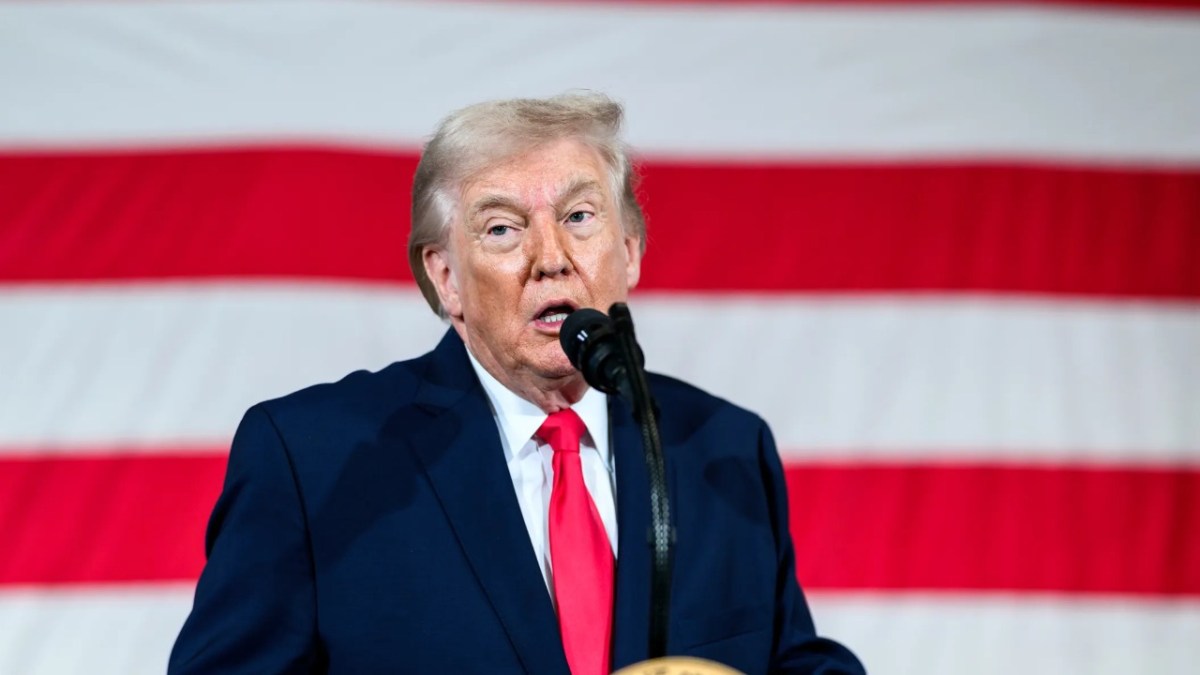

The Donald Trump administration has imposed sweeping sanctions against the International Criminal Court (ICC), triggering a major diplomatic standoff with its European allies.
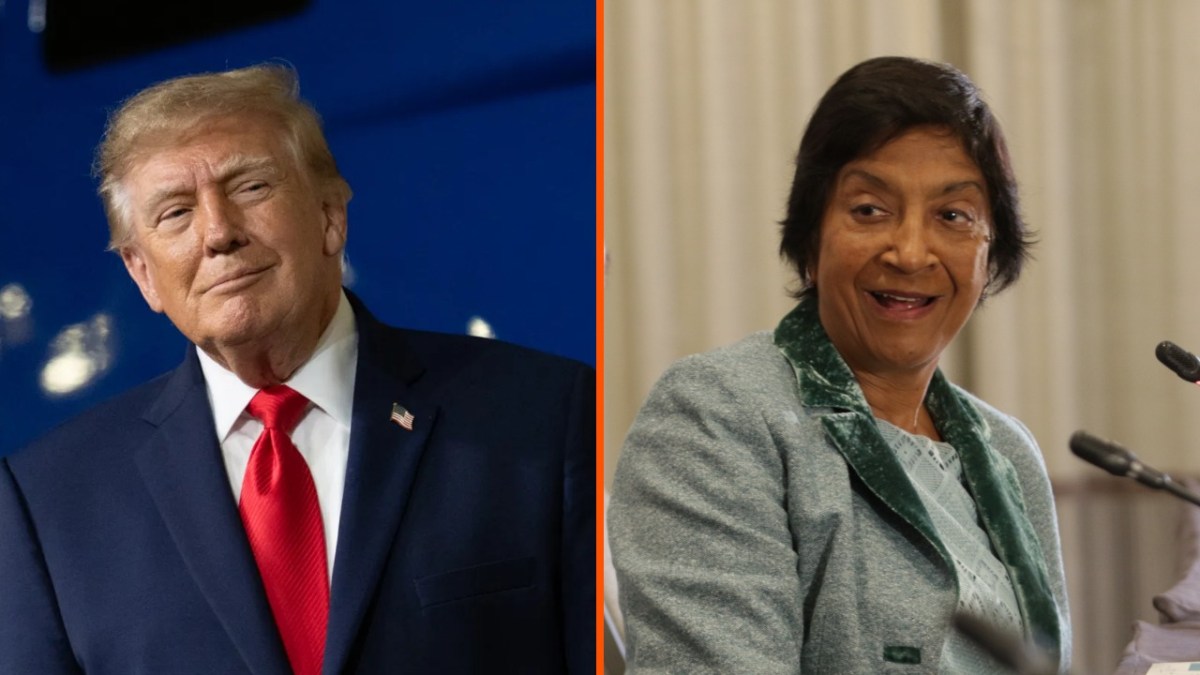
The announcement was made on Friday, Oct. 9, hours after former ICC judge Navi Pillay won the Nobel Peace Prize. The Nobel committee said the award came at a time when the system of international law is under pressure and its institutions are under attack.
Trump went on to address the choice more directly at a rally later in Syracuse, New York, where the president said he should have been the one to receive the prize. He then added, “This is an indelible stain on the country of Norway. We will not forget, Norway.”
Trump: "The United States of America, represented by me as your president, should have received the Nobel Peace Prize, but didn’t. This is an indelible stain on the country of Norway. We will not forget, Norway." https://t.co/noNq6xKttM
— Andersonpeace (@Andersonpeacwrm) October 10, 2026
Marco Rubio has outlined an initial six-month grace period for the court
The move marks an escalation from targeted measures to an institutional blockade. The court strongly denounced the announcement, calling it an “assault on the rule of law and on the very foundations of the international legal order.”
The ICC has now turned to its 125 member states with an urgent appeal, warning that history will judge how the international community responds to this moment.
According to Reuters, unlike previous, narrower measures, these sanctions aim to financially and technologically cripple the ICC by barring U.S. companies from conducting business with the tribunal. Secretary of State Marco Rubio outlined an initial six-month grace period with select operational exemptions, intended to pressure the court and its member states into meeting Washington’s demands.
The conflict stems from long-standing U.S. opposition to the ICC’s jurisdiction over non-member states. That opposition has intensified over arrest warrants issued for Israeli officials, including Prime Minister Benjamin Netanyahu, and Hamas leaders. The court’s past investigation into alleged crimes by U.S. personnel in Afghanistan has also contributed to the friction.
The dispute has since spilled further onto social media, with Trump also chiming in on his Truth Social platform. The president reposted a post from the account of attorney David Schoen’s law firm claiming that the Norwegian Nobel Committee had “shamed itself beyond repair and demeaned” the Peace Prize by choosing to honor Pillay.
Donald J. Trump ReTruthed Schoenlaw: Today the Nobel Committee shamed itself beyond repair and demeaned the once great Nobel Peace Prize by giving it to the UN’s Navi Pillay. Pillay is an unabashed hater of America and Israel. In her position she celebrated terrorists and rewarded Hamas. She conducted a phony “investigation” claiming to find that Israel committed genocide and urging prosecution. She has no credibility in any normal sphere and has never done a thing to foster peace. Just the opposite. But what could be expected from a committee that previously gave the once coveted peace prize to Yasser Arafat? President Trump gave us the Abraham Accords, which the world said would be impossible and is now expanding them! He brought home the hostages when all seemed hopeless! He is making best efforts to end the Russia/Ukraine war, to stop Iran, the number one sponsor of international terrorism, and he is trying to rebuild Gaza despite the terrorists’ best efforts to control it. The list goes on and on. These are the kinds of things the Nobel Peace Prize was intended to recognize and reward!!! realDonaldTrump ( TS: Oct 9 2026, 9:25 AM ET )
— Commentary Donald J. Trump Truth Social Posts On X (@TrumpTruthOnX) October 9, 2026
The post argued that Trump deserved the prize instead, pointing to the Abraham Accords, the return of hostages, and his efforts to end the Russia-Ukraine war.
U.S. allies have pushed back on the sanctions
The sanctions have also put Washington at odds with some of its closest democratic allies. The United Kingdom, France, Germany, Italy, Japan, and Canada joined other countries in issuing a joint statement defending the ICC’s independence and expressing deep regret over the U.S. decision.
EU Foreign Policy Chief Kaja Kallas said the six-month grace period offers a brief window for diplomatic dialogue, but European leaders are already preparing countermeasures. They are considering invoking the EU Blocking Statute, which could prevent European businesses from complying with certain U.S. sanctions and help protect the court’s operations.
The ICC has also been preparing for a possible financial blockade. Since early 2025, the court has reportedly worked to reduce its reliance on American technology, moving core computing systems away from companies like Microsoft and toward open-source alternatives.
The tribunal has also established alternative banking arrangements that do not rely on the U.S. dollar, alongside international health insurance arrangements for its staff.




Published: Oct 11, 2026 05:30 am