


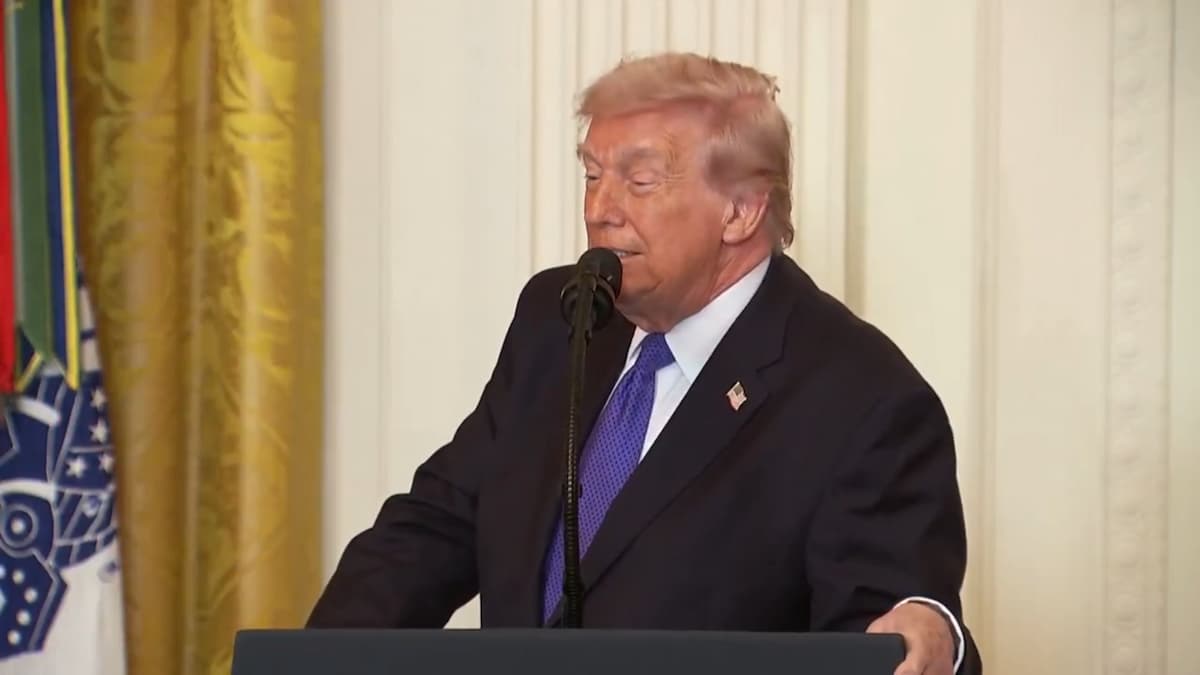

A new, 13-foot statue of Christopher Columbus has been installed on the White House grounds. This isn’t just any statue; it’s a replica of one that anti-racism protestors in Baltimore dramatically tore down and tossed into the city’s inner harbor back in 2020. The statue highlights deep-seated debates about who we choose to honor, and is part of Donald Trump’s attempts to shape the narrative of American History.
Per The Guardian, the statue, rebuilt from the shattered pieces of the original, now sits outside the Eisenhower Executive Office Building, a significant location for such a monument. You can see Trump’s defiance in its inscription on the pedestal: “Destroyed July 4, 2020 … Resurrected 2022 … Rededicated by President Donald J. Trump, October 13, 2025.”
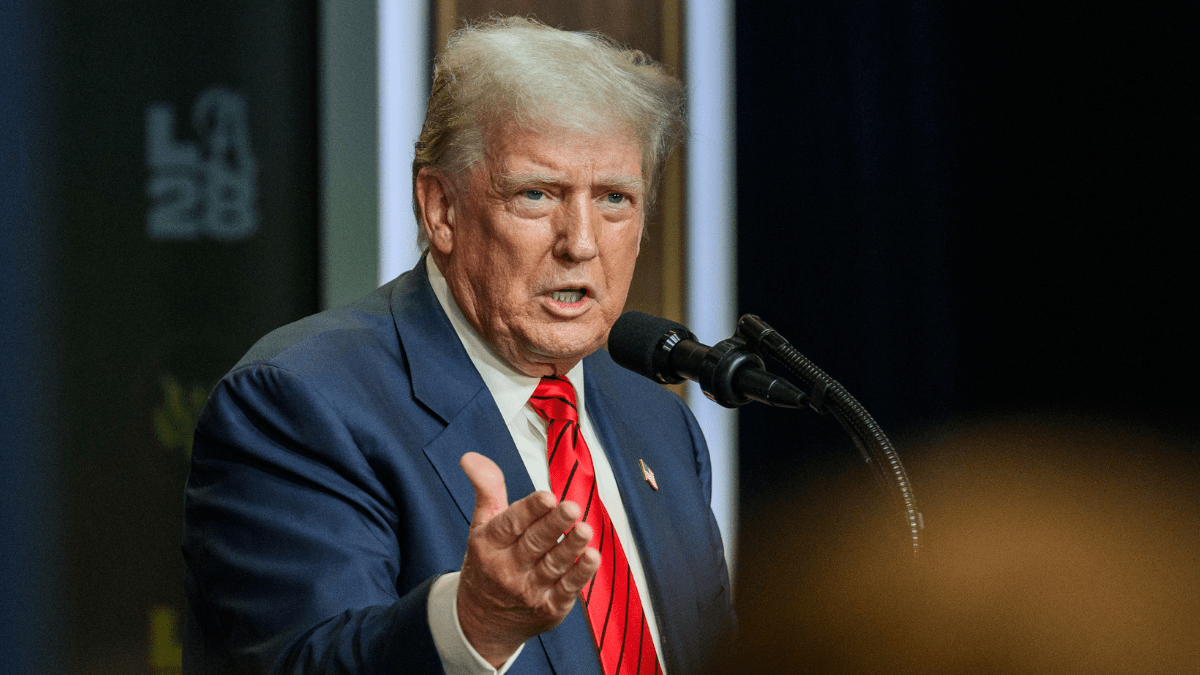
In a letter to Basil Russo, who leads the Conference of Presidents of Major Italian American Organizations (the group that actually owns the statue and loaned it to the federal government), Trump called Columbus “the original American hero and one of the most gallant and visionary men to ever walk the face of the Earth.”
American History is getting a Trump edit
He also mentioned he was “truly honored that this magnificent statue will now sit on the grounds of the White House.” The administration further amplified this sentiment, with the White House stating that Columbus was a “hero” and that Trump would make sure he’s “honored as such for generations to come.”
Columbus has traditionally been celebrated by many as the “discoverer of America,” a title that has shaped how generations have understood the continent’s history. However, it’s worth noting he never actually set foot on the continental United States. His voyages, which took place between 1492 and 1504, brought him closest to what we now know as the Bahamas..
Columbus is also a super controversial figure in history, with a legacy that’s far from universally positive. His documented role as a slave trader and his involvement in the subjugation and killing of Indigenous people in the Caribbean are huge parts of his story.
This deeply problematic aspect of his history has led many places across the US to replace Columbus Day with Indigenous Peoples Day, marking a significant shift in how we acknowledge historical events. In 2021, then-President Joe Biden stated that Columbus “ushered in a wave of devastation: violence perpetrated against native communities, displacement and theft of tribal homelands, the introduction and spread of disease, and more.”
Despite all the controversy, Columbus’s legacy is deeply ingrained in some aspects of American culture. The District of Columbia, for instance, is named after him, and he’s also revered by some Italian-American groups who see him as a powerful symbol of national pride and heritage.
The problem is that this statue is a clear indicator that Trump intends to continue to ‘fix the facts’ to match his ‘interpretation of history,’ to ‘celebrate American exceptionalism, and remove divisive or partisan narratives.’ Recently, a judge destroyed his attempt to erase references to slavery in George Washington’s old house.




Published: Mar 24, 2026 07:23 am