


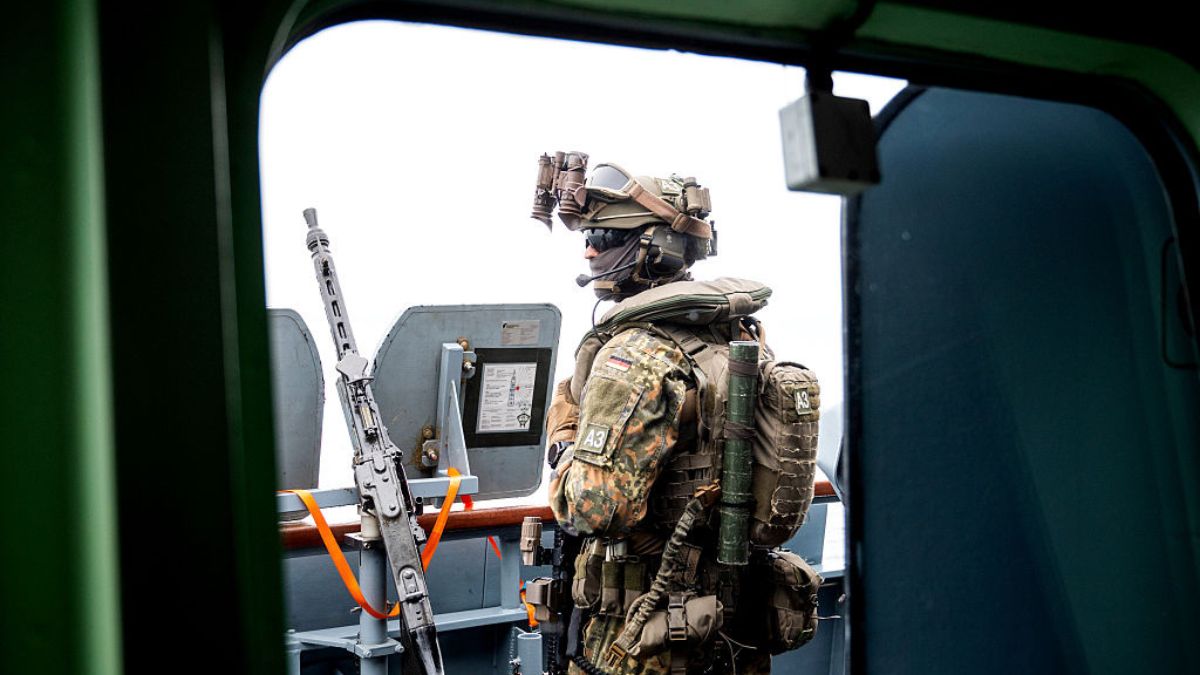

Germany is building the biggest military force in Europe since World War II. The country has gone from spending just 1.1% of its economy on defense in 2005 to becoming the world’s fourth-largest military spender at $88.5 billion in 2024. This change comes as German leaders worry about Russia‘s war in Ukraine and America’s commitment to NATO under President Donald Trump.
For decades, German soldiers felt frustrated about their country’s military culture. Unlike American troops who receive public thanks for their service, German soldiers rarely got recognition. The country’s dark history with the military during Nazi rule made many Germans uncomfortable with showing support for their armed forces. This created a culture where military service was not celebrated.
According to Politico, General Carsten Breuer, the Bundeswehr’s top officer, remembers how his soldiers used to complain. “When I was talking to my soldiers in the early 2000s, they would always ask, ‘Why isn’t it like the U.S. here, where people thank you for your service?'” he said. “Nowadays, we’re starting to see this in Germany.” The general shared how an elderly man recently thanked him at an airport in Dusseldorf, something that would have been rare years ago.
Germany moves toward European defense independence
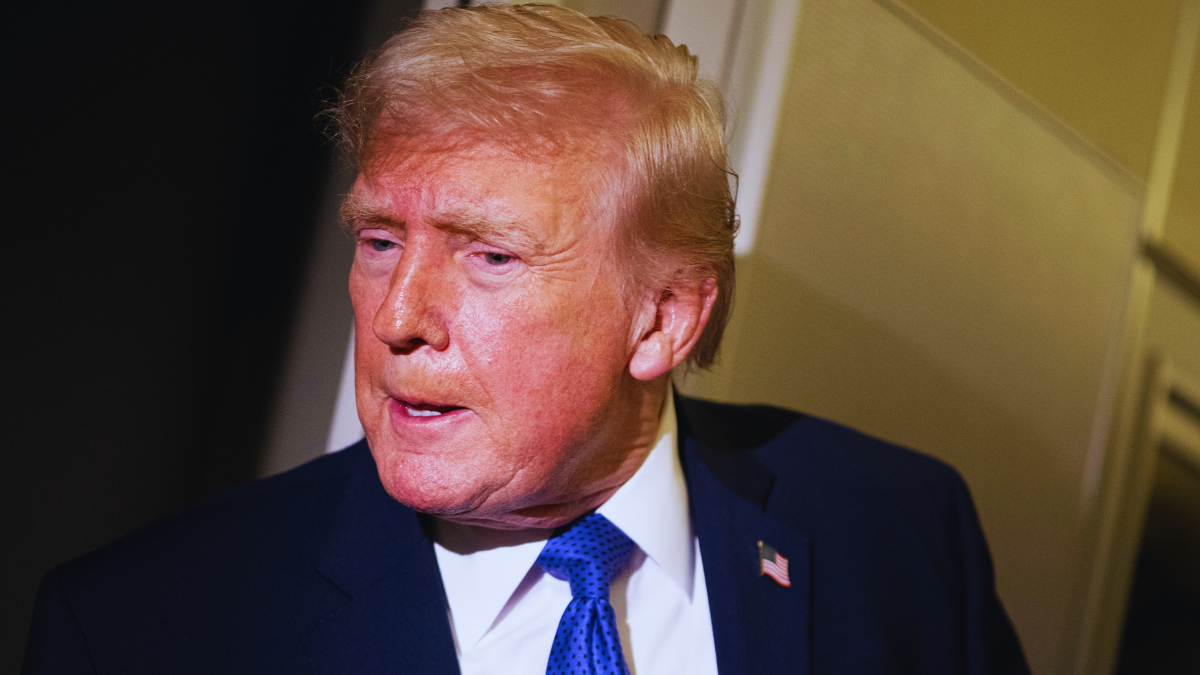
Trump’s approach to Ukraine has pushed Germany to rethink its defense strategy. In February 2025, just days after Trump was elected president of America, Trump’s handling of international crises shocked European leaders when he invited Ukrainian President Volodymyr Zelensky to a meeting that was broadcast worldwide, showing his lack of interest in standing up to Russia. This moment convinced German Chancellor Friedrich Merz that Europe needed to become independent from American military support.
Merz quickly agreed to work with the previous government to change Germany’s strict borrowing rules. The new plan allows for 1 trillion euros in defense spending, which equals about 25% of Germany’s entire economy. This type of spending during peacetime is almost unheard of, according to Lorenzo Scarazzato from the Stockholm International Peace Research Institute. “Countries that spend this much are usually those at war, or autocratic states that don’t have democratic oversight,” he said.
The transformation goes beyond just money. Germany plans to increase its military from 181,000 soldiers today to 203,000 by 2031. The country faces serious challenges in finding enough recruits, with dropout rates of around 30% among new soldiers. About 20% of officer positions and 28% of enlisted jobs remain empty. Despite recruiting 20,000 new people in 2024, the overall number of soldiers actually went down because so many people left the military. The average age of German soldiers is now 34, showing an aging force that needs fresh recruits.
Public opinion about the military is slowly changing in Germany. A recent survey found that 66% of Germans support increasing defense spending, while 59% agree the country should take on significant debt for defense and infrastructure needs. This marks a major shift for a country that has been reluctant to embrace military power since World War II ended. The change reflects growing concerns about European security as Russia continues its war against Ukraine and threatens other nations.



Published: Aug 29, 2025 01:03 pm