


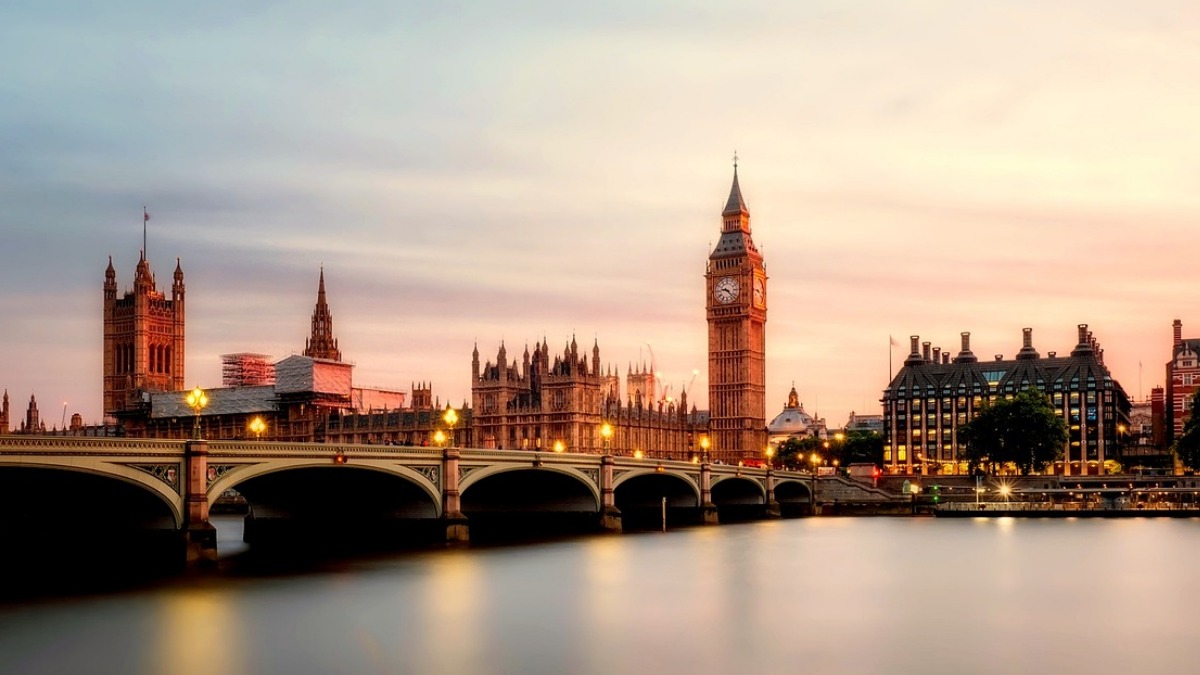

A trade agreement between the United Kingdom and the United States is facing scrutiny after a new analysis suggested it could lead to more than 200,000 avoidable deaths in England. By diverting billions of pounds away from essential health services to cover the costs of new medicines, the deal is being framed by critics as a dangerous gamble with public health. Per CNN, the deal was struck in December to avoid punitive tariffs threatened by President Trump.
Under the terms of this arrangement, the UK agreed to increase its spending on new medicines from 0.3% of GDP to at least 0.6% over the next decade. In exchange, the outlet stated that the US committed to avoiding levies on British exports of medical devices and pharmaceutical products for three years. This is after Trump allegedly threatened tariffs as high as 100% on some medicines imported into the US back in September.
The analysis, published in The British Medical Journal (BMJ), indicated that the deal will cost the NHS an additional £45 billion by the end of 2036. The authors noted, “In publicly funded systems with finite budgets, higher spending in one area inevitably takes away the opportunity to spend elsewhere.” They estimate that the redirection of funds could result in 229,000 extra deaths and significantly worsen health inequalities across the country.
The research was conducted by three institutions
This analysis was done by researchers based at the University of York, the University of Liverpool, and Christchurch Hospital in New Zealand. Their findings highlight that these avoidable deaths would largely impact patients suffering from cancer, gastrointestinal diseases, and heart or respiratory conditions.
According to Sky News, the report indicates that the diversion of funds will impact population health. The financial burden is expected to ramp up quickly, with additional annual costs to the NHS projected at £1.3 billion by 2028 and climbing to £8.8 billion by 2036.
The government has reportedly remained firm in its defense of the agreement, labeling it a “landmark” deal that will safeguard access to medicines and drive investment for both UK patients and businesses. A spokesperson for the Department of Health and Social Care stated, “Through our partnership with the US, we have reformed medicine pricing, allowing NHS patients to access life-changing new medicines they previously would have been denied.”
Regarding the staggering £45 billion cost estimate, Sky News reported the spokesperson did not recognize that figure and insisted the deal will be funded by money set aside during the 2025 spending review. They added, “Future funding will be settled at the next (review).”
Despite these assurances, the deal faces significant pushback from various groups. Sally Gainsborough, a senior policy analyst at the Nuffield Trust, expressed concern that the government has two branches working in contradiction.
She told Sky News, “We now have two bits of government that are in contradiction with each other. We have a deal that is using the NHS resources in a way that is contradictory to the NHS constitution. At the very least, the government should publish the details and the analysis on which it has made that really very radical change to our health care system.”
Per reports, critics also argue that the economic premise of the deal is flawed. The authors of the BMJ analysis pointed out that because the UK is a net importer of medicines, much of the extra spending will likely benefit multinational manufacturers rather than the UK economy or the NHS. By 2031, the projected costs of this deal are expected to exceed the total annual value of UK pharmaceutical exports to the US.
Sky News noted that Labour politician John McDonnell raised concerns about the impact on the independence of the National Institute for Health and Care Excellence (Nice). Mr. McDonnell stated in April, “The changes the government are making to Nice as a result of the US pharmaceutical deal undermine the independence of Nice, giving US big pharma the potential of immense influence over our drugs policies.”
Meanwhile, campaign group Global Justice Now reportedly accused the government of “taking an axe to the NHS to pacify Donald Trump and big pharma’s demand for higher medicines prices.” They further suggested that if the government truly prioritized patient access, it would focus on tackling the profiteering corporations that hold the system to ransom.
The UK and the US were the first to create a trade deal to get around some of the Tariffs, with Trump declaring ‘It was the FIRST of MANY.’ Of course, things have been a bit unsteady, with the president levying tariffs on NATO during the discussions over Greenland.





Published: Jul 3, 2026 03:35 pm