



The White House is currently grappling with a significant internal challenge as officials struggle to integrate President Trump’s approved $500 billion boost to military spending into the forthcoming budget. According to The Washington Post, this massive increase has caused the White House to miss the deadline in presenting a spending plan to Congress.
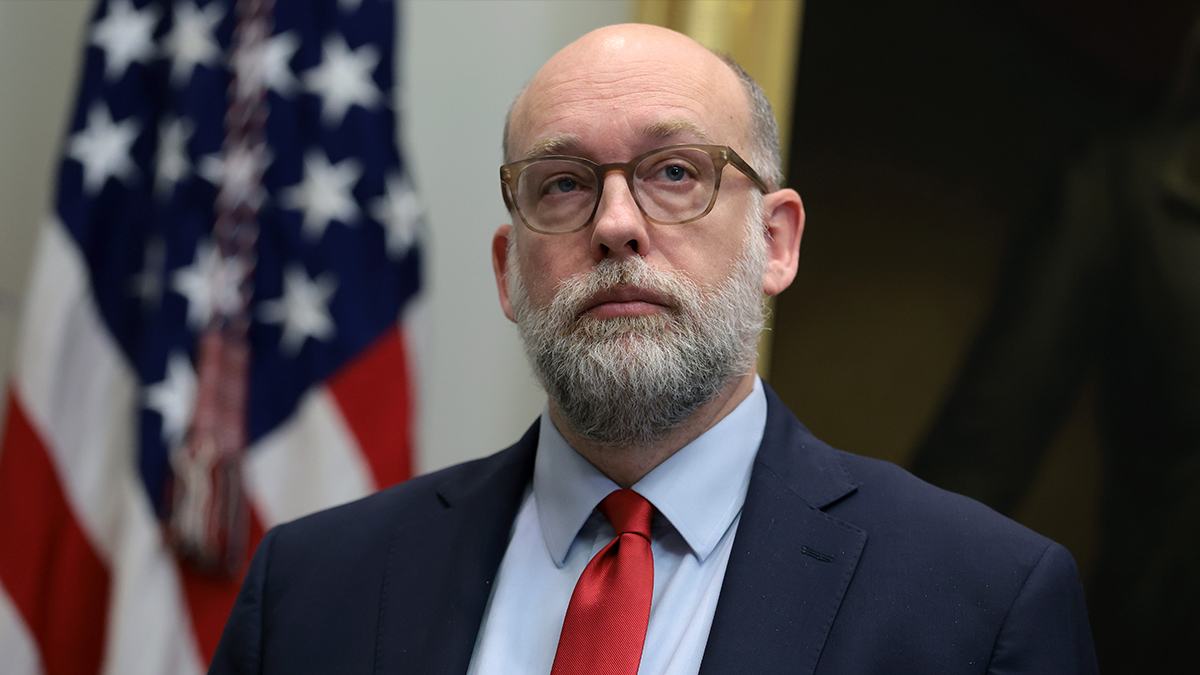
Last month, at the behest of Defense Secretary Pete Hegseth, Trump agreed to increase defense funding by roughly 50 percent. This ambitious plan was immediately criticized by White House budget chief Russell Vought, who is known for his focus on fiscal responsibility. He has voiced concerns about the potential impact of such a huge outlay on the expanding federal deficit.
The current defense budget, approved last year, was already the largest in U.S. history at about $900 billion. Adding another $500 billion would push it to an astonishing $1.5 trillion. As G. William Hoagland, a senior vice president at the Bipartisan Policy Center, put it, “That’s an awful lot of money in one year.”
I would argue that it is an unnecessary amount of money
Trump, Hegseth, and many congressional Republicans have staunchly defended the proposed increase. They argue it’s necessary to fund new priorities and maintain the nation’s safety and security. Trump confirmed his support on Truth Social, saying, “This will allow us to build the ‘Dream Military’ that we have long been entitled to and, more importantly, that will keep us SAFE and SECURE, regardless of foe.”
Figuring out how to spend the additional $500 billion, however, is proving to be a logistical nightmare for White House aides and defense officials. A key debate centers on whether to prioritize buying more of the weapons the military already uses, updating systems, or investing heavily in cutting-edge technologies like artificial intelligence, which the Pentagon envisions as crucial for its future.
Interestingly, Hegseth, upon taking office, directed each military service to identify 8 percent budget reductions to reallocate $50 billion from plans by prior administrations into priorities better aligned with President Trump’s agenda. The massive spending jump also raises questions about its alignment with the Pentagon’s new national defense strategy; focus on defense in the Western Hemisphere, with less emphasis on Europe, Africa, and the Middle East.
Mark Cancian, a retired Marine Corps colonel and senior adviser with the Center for Strategic and International Studies, called it a “head-scratcher” to plan such a large budget increase while simultaneously cutting back in those areas.
The federal deficit, which reached $1.8 trillion last year, is a major concern for Vought. The proposed military spending increase alone would be one of the largest federal programs ever. To give you some context, a plan to expand Medicare would cost $350 billion over the next decade. $500 billion a year would total $5 trillion over the next decade. Experts are also worried about potential fraud and waste
Ultimately, this forthcoming White House budget for fiscal year 2027 still needs congressional approval to be enacted.



Published: Feb 22, 2026 03:14 pm