


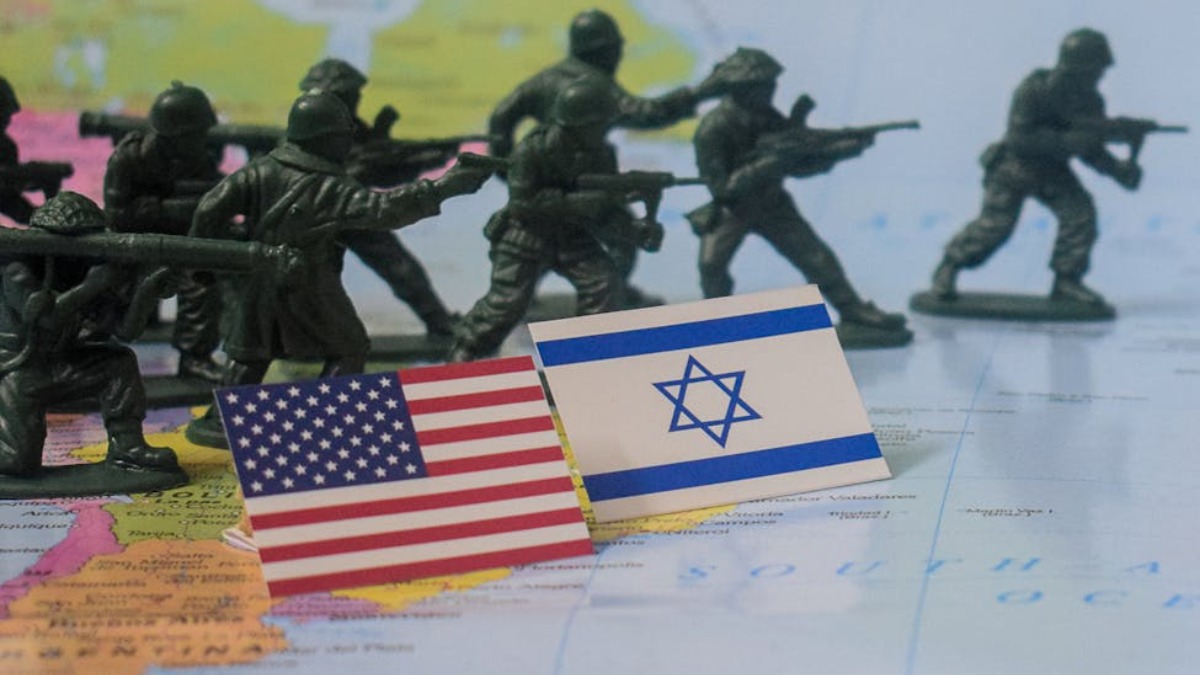

Israel‘s recent strikes on Iranian fuel depots went far beyond what the US was expecting, sparking the first major disagreement between the two allies. The US is genuinely concerned that these extensive strikes on infrastructure, which often serves ordinary Iranians, could backfire strategically. Hitting things that affect regular people could rally Iranian society behind the current regime, and there is also the risk of driving up oil prices.
The Israeli air force launched strikes on Saturday, hitting 30 Iranian fuel depots. This created massive fires in Tehran, with flames visible for miles and heavy smoke covering the capital. The IDF put out a statement claiming these fuel depots “are used by the Iranian regime to supply fuel to different consumers including its military organs.” An Israeli military official added that the strikes were partly meant to send Iran a message to stop targeting Israeli civilian infrastructure.
Both Israeli and US officials confirmed that the IDF did notify the US military before the strikes. However, a US official said the American military was genuinely surprised by how widespread the attacks were. “We don’t think it was a good idea,” a senior US official stated. According to Axios, an Israeli official reportedly described the US message to Israel as a blunt “WTF.” The White House and the IDF have not commented on this directly.
The strikes risk pushing oil prices higher and straining the US-Israel relationship at a sensitive time
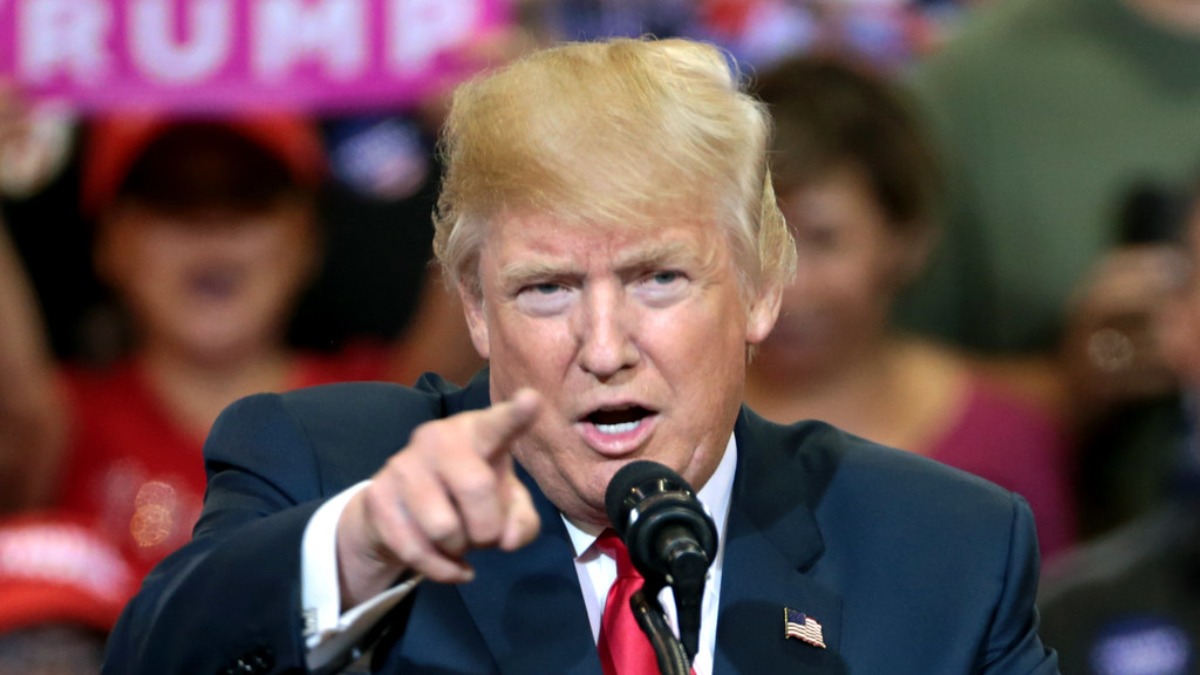
Even though the facilities struck are not oil production sites, US officials are worried that footage of burning depots could unsettle oil markets and push energy prices higher. A Trump adviser said that “The president doesn’t like the attack. He wants to save the oil. He doesn’t want to burn it. And it reminds people of higher gas prices.” Some US politicians have also been vocal about whether America should continue backing Israel.
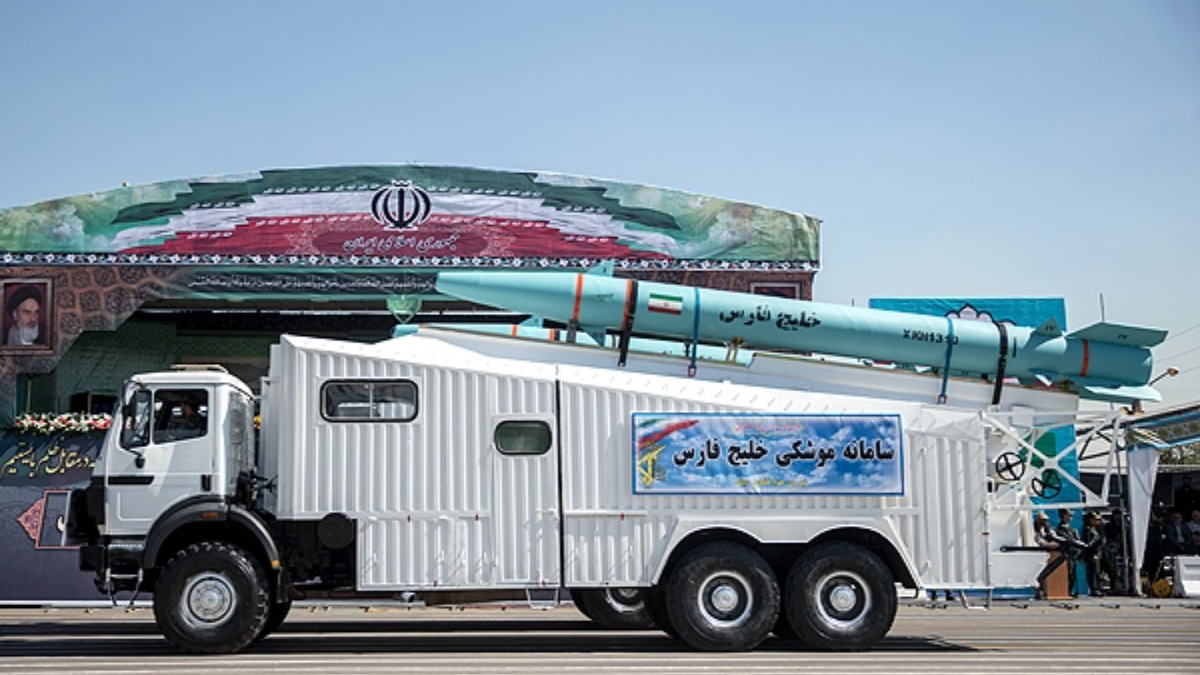
Iran has not stayed quiet about this. The spokesman for Iran’s Khatam al-Anbiya headquarters, which oversees military operations, issued a warning on Saturday, saying that if attacks on Iran’s oil infrastructure continue, Tehran might respond with similar strikes across the region.
He also pointed out that Iran has not targeted regional fuel and energy infrastructure so far, but warned that if it does, oil prices could rise to $200 a barrel. Iranian parliament speaker Mohammad Bagher Ghalibaf, a senior figure in the regime, echoed this, warning that continued attacks on infrastructure would lead to “without delay” retaliation from Iran.
Russia has also weighed in on the conflict, and how Moscow responded to the US-Israel strikes on Iran may come as a surprise to many. A US official said that this disagreement, and what the US expects going forward in the conflict, will be addressed at senior political levels between the two nations.






Published: Mar 9, 2026 12:05 pm