




Piers Morgan, the well-known TV personality who has maintained a friendly relationship with President Donald Trump in the past, has directly challenged Trump’s claim that the newly announced two-week ceasefire with Iran is a “historic victory.” Morgan posted his disagreement on X, arguing that Iran had achieved major strategic gains despite suffering heavy military losses on the battlefield.
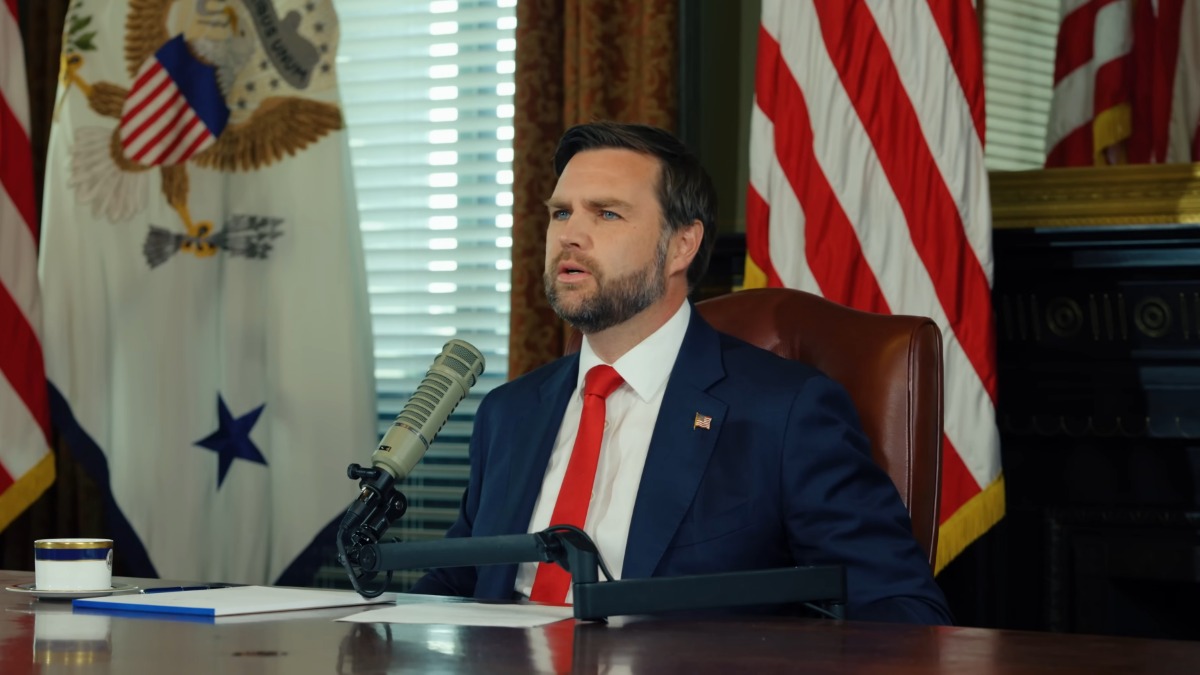
Morgan’s post was blunt: “America/Israel may have won the war on the battlefield, but Iran won the war on the waterways, paralysed the world’s energy supplies, and caused huge global economic damage. That’s why President Trump has moved to do a deal. It’s not a ‘historic victory’ or anything like it.” His words directly contradicted Defense Secretary Peter Hegseth, who had called the ceasefire a “historic victory” for the United States.
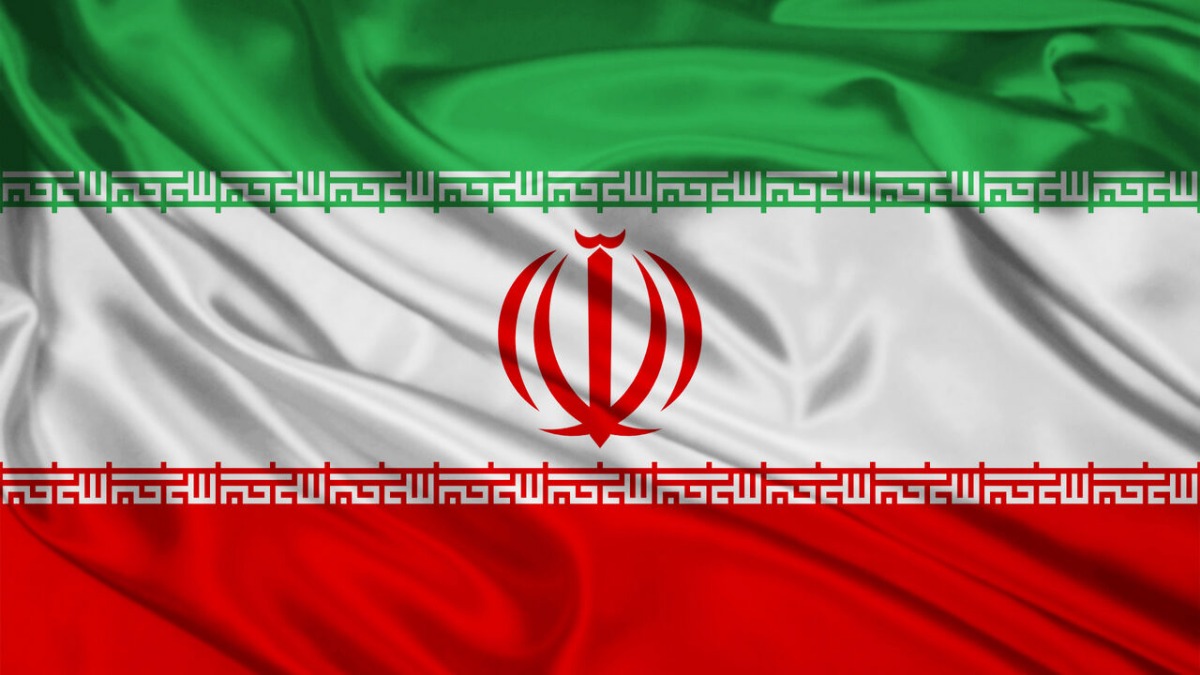
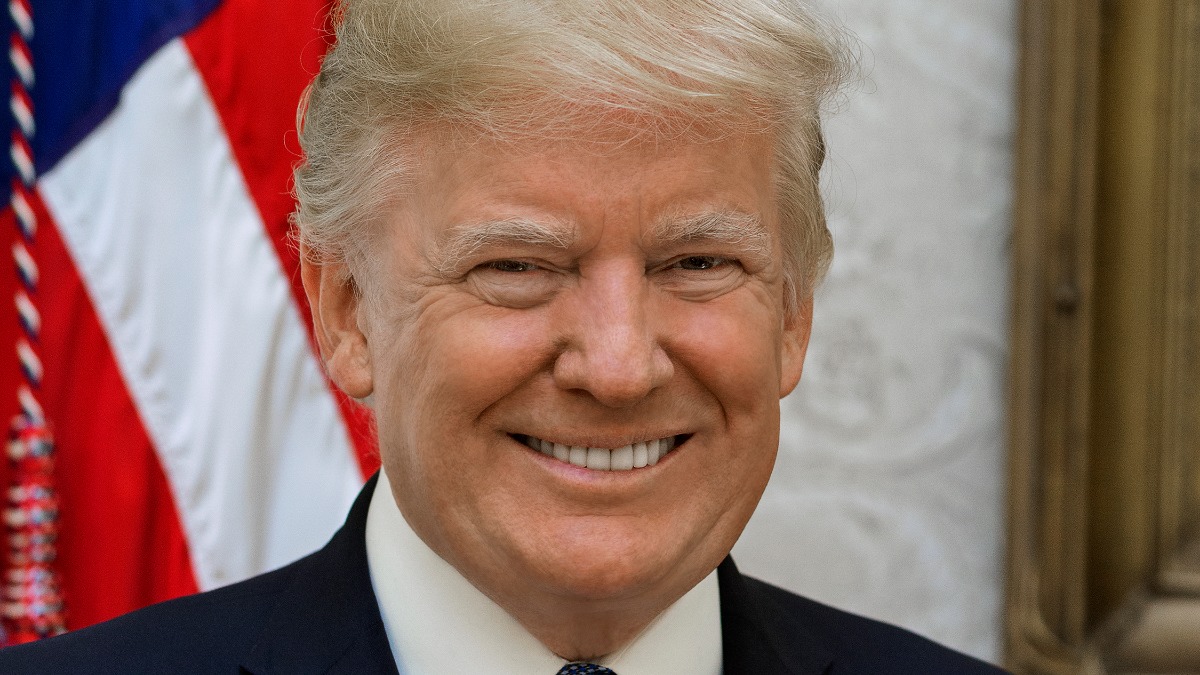
President Trump, for his part, was upbeat about the ceasefire, posting on Truth Social: “A big day for World Peace! Iran wants it to happen, they’ve had enough! Likewise, so has everyone else!” However, the road to this ceasefire involved serious economic disruption and shifting military objectives that many found hard to follow.
Iran used economic weapons when military ones weren’t an option, and it worked
Not everyone agreed with Morgan. One user pushed back, writing: “Wrong, Piers. Iran just had its air defenses, navy, missile sites, leadership and comms infrastructure obliterated – $90bn+ in damage. Trump reopened the Strait of Hormuz after 47 years of closure through raw strength, not weakness. Temporary economic pain for permanent strategic dominance is a textbook historic victory. You just can’t say the words ‘Trump won.'”
Trump has also faced criticism from other corners, with some arguing that the Iran deal was a compromise forced upon America rather than a position of strength. According to The Hill, Morgan had previously questioned the administration’s strategy, saying that Trump likely thought he could swiftly “decapitate the leadership of Iran” and settle things quickly.
But Morgan noted that “two weeks in, what is very clear is this is not going to get settled quickly.” He also criticized the constantly changing objectives, saying “All the mission statements he’s laid out have changed day by day, sometimes hour by hour,” shifting from regime change to targeting nuclear capability, despite claims just ten months earlier that Iran’s nuclear program had already been destroyed.
Before the first strike, General Dan Caine, chairman of the Joint Chiefs of Staff, reportedly warned Trump that Iran’s strongest response would not be military – it would be economic. That warning proved correct. Iran effectively blockaded the Strait of Hormuz, a waterway that handles around 20% of the world’s oil supply.
The move sent global energy markets into chaos, causing major spikes in gasoline prices across the United States. Analysts described it as the largest oil supply shock in history. Morgan explained Iran’s strategy this way: “By controlling the Strait of Hormuz and by attacking its neighboring gulf states in the touristy areas, they’re sending a signal, that we can’t beat you militarily but economically we can paralyze you.”
This showed that military power does not always mean strategic control, and that adversaries can still find ways to apply pressure and achieve their goals. The human and financial costs have been heavy. The war was costing billions of dollars each week.
At least 13 Americans were killed, and over 140 have been wounded. A U.S. strike also hit a girls’ school in Iran, killing around 175 people, most of them children. Despite the assassination of Iran’s supreme leader and major damage to its military, the regime did not collapse. Tehran quickly replaced the leader with his hardline son, showing a clear will to endure.
Meanwhile, Trump’s tone shifted from threatening to “rain hell” on Iran to declaring a golden age for the Middle East and writing on social media: “There will be lots of positive action! Big money will be made,” suggesting the U.S. would help clear the Strait of Hormuz and assist with reconstruction.
The real question here is not whether the United States can overpower Iran militarily; clearly, it can. The question is whether the strategy behind this war fully accounted for how Iran could fight back through economic means. That apparent miscalculation has left many, including Piers Morgan, seriously questioning what kind of “victory” this actually is.




Published: Apr 9, 2026 11:08 am