


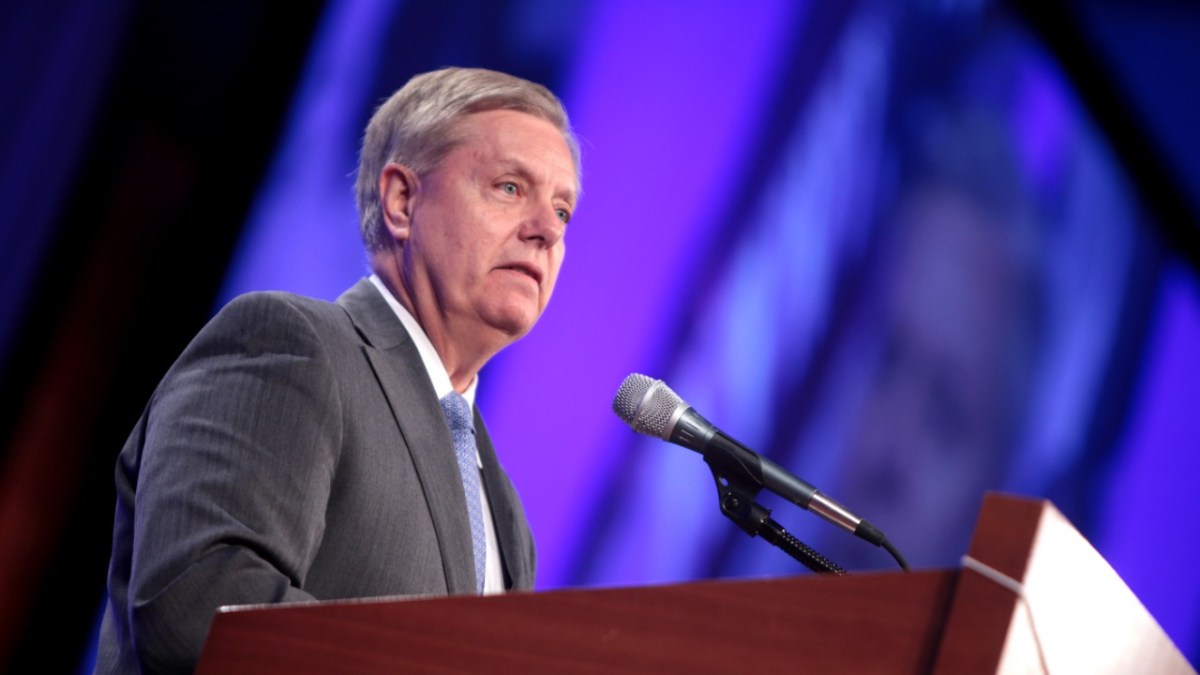

The U.S. House of Representatives officially passed a massive sanctions and tariff bill on Wednesday, clearing the final legislative hurdle to send the measure to President Donald Trump’s desk. This legislation, which aims to ramp up economic pressure on Russia in response to its ongoing invasion of Ukraine, reached this stage nearly 1-1/2 years after the late Senator Lindsey Graham introduced it.
According to Reuters, the bill is now officially titled the “Lindsey O. Graham Sanctioning Russia and Iran Act of 2026” to honor the South Carolina Republican. It is the most significant Ukraine-related legislation that Congress has passed since Trump returned to the White House and Republicans gained control of both chambers. Per CBS News, the House passed the bill with a 262 to 159 vote on the final day the chamber was in session before lawmakers headed out for the pre-election break.
The legislation is reportedly designed to target Russia’s defense and energy industries, as well as the so-called shadow fleet of tankers used to evade current sanctions. By doing so, the goal is to cut off the funding Moscow uses to sustain its war effort. Beyond the Russian focus, the bill also grants Trump the authority to impose tariffs of up to 100% on countries like China and India if they continue to rely on Russian oil and gas, alongside extended sanctions on Iran.
Strong opposition to the many loopholes
CBS News noted that there were some serious concerns about the bill. House Democratic leaders, including Hakeem Jeffries, Katherine Clark, and Pete Aguilar, expressed concerns that the bill provides too much power to the president. In a joint statement, they argued that Trump “has shown no willingness to be strong on Russia” and added, “He cannot be entrusted with new powers to impose tariffs that will further raise costs for American families.”
Jeffries further stated on the floor that the bill contains so many loopholes that the sanctions might not even be applied. Per the outlet, he warned, “What this legislation will do is give Donald Trump, perhaps, unfettered authority to unleash tariffs on the American people.”
Despite the friction, the bill received significant support from both sides of the aisle. The outlets noted that in the House, 58 Democrats broke from their party leadership to vote in favor of the measure. Republican Representative Michael McCaul of Texas, who served as a lead sponsor, defended the tariff component during the floor debate.
McCaul reportedly remarked, “As we’ve heard from President Zelenskyy’s team, you can evade sanctions — which the Russians have done for years — but you cannot evade tariffs. Tariffs are a powerful way to amplify the impact of sanctions. That’s why they are the teeth of this bill.”
Reuters reported that this bill faced considerable opposition and delay after Senator Graham and dozens of other senators introduced the bill in April 2025. It wasn’t until July 2026, just days before Graham’s sudden death on July 11, that Trump allowed Republican leaders to schedule a vote. Senator Darline Graham, who was appointed to fill her late brother’s seat, commented on the significance of the moment, saying, “This means so much to me and it meant so much to Lindsey.”
According to Reuters, Ukrainian President Volodymyr Zelenskyy has been a vocal supporter of the bill. He even met with lawmakers to urge its passage and watched a procedural vote from the chamber. In an address this week, Zelenskyy reiterated his stance, stating, “It is important that it becomes law. I thank everyone around the world who supports this approach and who knows that strength works.”
While some Republicans worried about the potential for higher consumer prices or political blowback before the upcoming midterm elections, supporters emphasized the message the bill sends to the global community. Representative McCaul reportedly told a press conference after the vote, “Today, we are now one step closer to securing Lindsey’s vision of enduring peace in Ukraine and beyond.”
House Speaker Mike Johnson also released a statement. Per CBS, he noted, “This bill sends a powerful message of American unity and gives the administration every tool in the toolbox to help bring this war to a just end, and we are proud to send it to the president’s desk.”
The bill now sits with the president. However, Trump has previously shown a preference for keeping direct control over sanctions and tariffs rather than delegating that authority through legislation. So, it remains to be seen how the administration will proceed with this bill.






Published: Sep 18, 2026 07:11 pm