




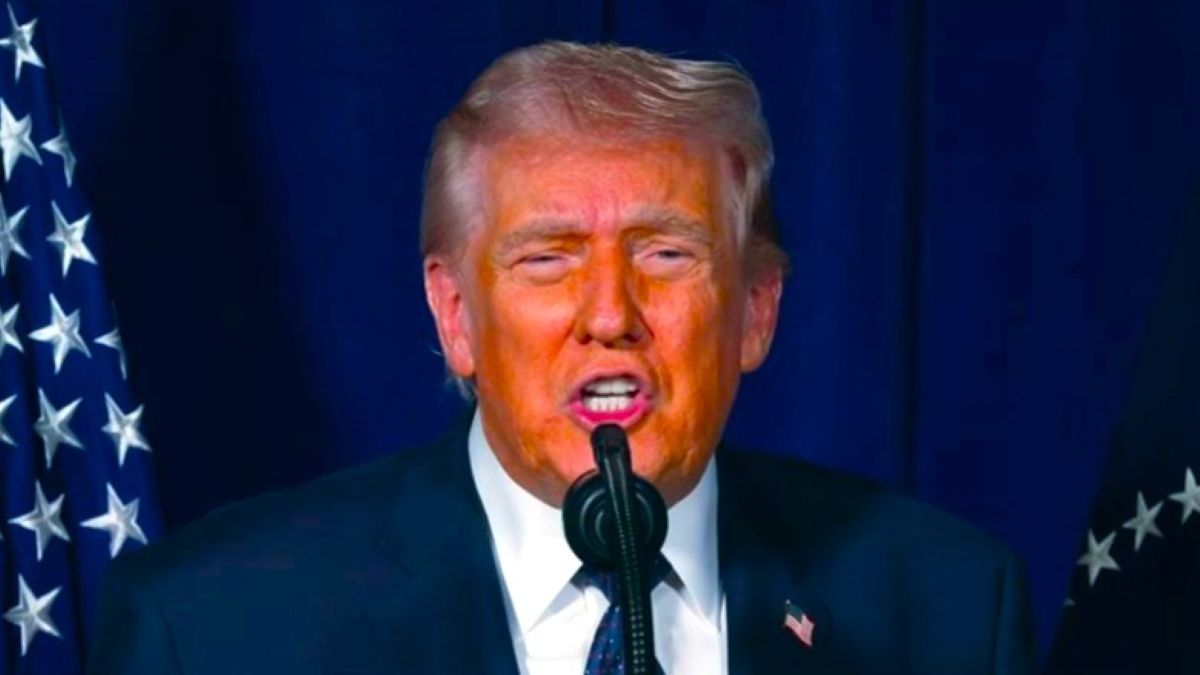
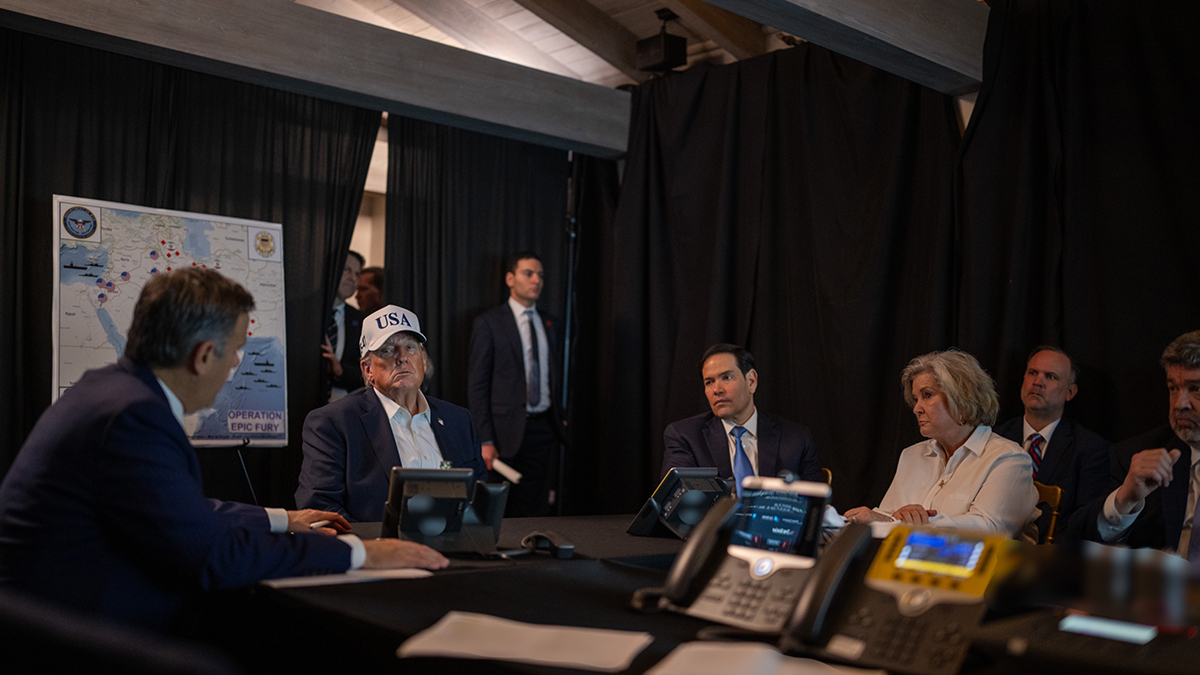
Donald Trump’s Iran strikes are putting his influence over his political base to the test. It has turned a hypothetical debate into a very real challenge as midterm elections approach. This situation is a big deal because a January poll revealed that just half of Trump voters from 2024, 50%, actually supported military action in Iran, while a significant 30% were opposed.
When you combine these internal divisions with the strong, unified opposition from Democrats, it becomes clear that Americans broadly weren’t keen on an attack on Iran. That same poll found that 45% of Americans felt the United States shouldn’t take military action, with fewer than one-third, 31%, thinking it should. Another survey also pointed to widespread public opposition to military action.
These divisions are a huge concern for the Republican Party, especially as they look ahead to a tough midterm landscape. According to Politico, even small defections from the winning coalition that brought Trump into office in 2024 could have outsized consequences.
By all accounts, the Republicans are on shaky ground this midterms
What makes this even more complex is that 61% of Trump’s most loyal supporters, the “MAGA republicans,” supported military action as compared to the 42% of Trump voters who don’t identify as “MAGA.” This leaves the president navigating an evolving issue where his coalition’s support, at least before the strikes, was present but not overwhelmingly strong, and overall public opposition actually outweighed support.
On the other side, Democrats were largely unified in their stance. Two-thirds of voters who backed former Vice President Kamala Harris in 2024 said the U.S. shouldn’t intervene in Iran, with only 18 percent thinking it should. Another survey found a striking 76 percent of Democrats opposed an attack. This strong Democratic unity means there aren’t enough pro-intervention Democrats to offset the anti-intervention Republicans before the strikes even happened.
Trump has a proven track record of reshaping Republican public opinion, guiding his voters on various issues, including trade and foreign policy. However, as Jason Roe, a Republican strategist, pointed out, the political risk is directly tied to the outcome. He believes if the U.S. can “break Iran without terrorist attacks coming to America or harm coming to allies in the region, it will be a political win for Trump,” while a protracted conflict “will be a liability.”
This dynamic really highlights a broader tension within the modern GOP. You have a party base that’s incredibly loyal to the president and largely unified around an “America First” agenda, but now that loyalty is being tested by his own foreign policy decisions, as illustrated by Marjorie Taylor Greene when she reacted to the strikes on Iran.
Even before these strikes, a February poll found that 47 percent of Americans felt the U.S. government was too focused on international issues and not enough on domestic ones. The president’s ability to overcome the initial opposition from non-MAGA Trump voters could be vital for maintaining control of Congress in November.


Published: Mar 2, 2026 09:38 am