


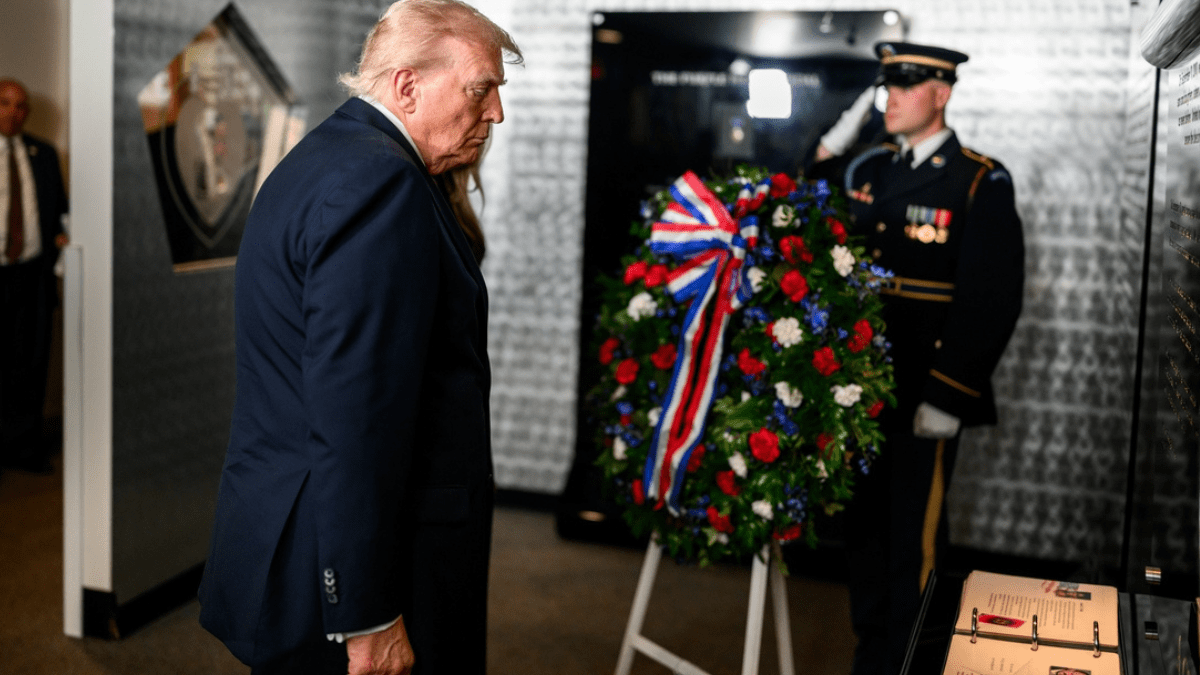

As the Gaza war bled into the Iran conflict with almost no sustained period of peace, reports suggest that nearly 750 troops have been killed or wounded in service in the Middle East since Oct. 2023. What sets the Donald Trump administration apart from its predecessors is the growing accusation that it is engaging in a “casualty cover-up.”
During President Joe Biden’s tenure in 2024, the administration provided the media with detailed accounts of attacks on U.S. bases in the Middle East. That included specifics on which outposts were hit, the type of strikes used, up-to-date casualty reports, and even aggregate counts of attacks by country. That level of transparency used to be standard practice. Under the Trump administration, it has changed drastically.
Part of the complexity here lies in the difference between the adversaries. There is a clear distinction between Hamas and the IRGC, with the latter proving to be more tactically disciplined than many of the foreign adversaries Trump has faced. In his latest update, Trump assured the nation he was looking to wind down the war — despite never quite living up to earlier rhetoric about delivering “freedom for Iranians,” demanding “unconditional surrender,” or even pursuing a true regime change.
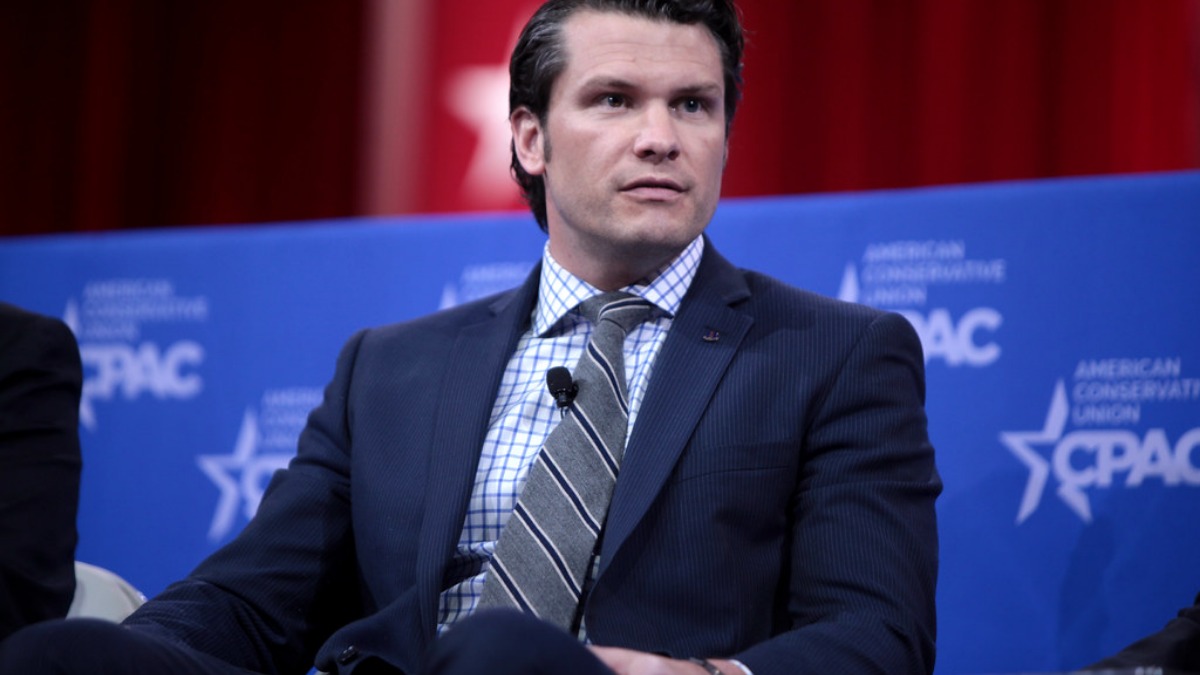
In fact, Trump ended his speech by suggesting American allies should reopen the Strait of Hormuz themselves. Shortly after, the Defense Secretary signaled an appetite for further escalation, posting on X that he would like to bomb Iran “back to the Stone Age.” In that context, calls for clarity are growing louder. If the administration is considering raising the stakes for goals that remain unclear, the public wants to know how many American lives have already been lost.
According to The Intercept, Jennifer Kavanagh, director of military analysis at Defense Priorities, said, “CENTCOM and the White House should be providing accurate and timely information on the costs and casualties involved in this war. After all, it is American taxpayers who are funding it, and U.S. economic prosperity and economic wellbeing that is being undermined by it.”
The publication reports that, through its sources, at least 15 troops have been killed and more than 520 wounded since Operation Fury began on Feb. 28. CENTCOM has been reluctant to update those figures or provide specifics about recent military incidents — including the USS Gerald R. Ford fire, which reportedly left more than 200 sailors needing treatment for smoke inhalation.
The Trump administration has argued that controlling the flow of information protects intelligence and boosts troop morale. That logic is not entirely without merit. But in a democracy, there is also an expectation of accountability — especially when it comes to how taxpayer money is spent and the human cost attached to it.
Throughout the conflict, Secretary of State Marco Rubio has largely been the administration’s voice to the press. He is, arguably, its most polished communicator. Rubio often contrasts U.S. conduct with that of the Iranian regime, accusing it of misleading its people, diverting resources away from public welfare, and showing little regard for human life.
At some point, that contrast has to be demonstrated, not just stated. If the administration wants to draw that line, then transparency is part of it. And right now, that means giving the public a clear and honest accounting of the cost of this war — because the people footing the bill deserve to know.






Published: Apr 3, 2026 03:40 pm