


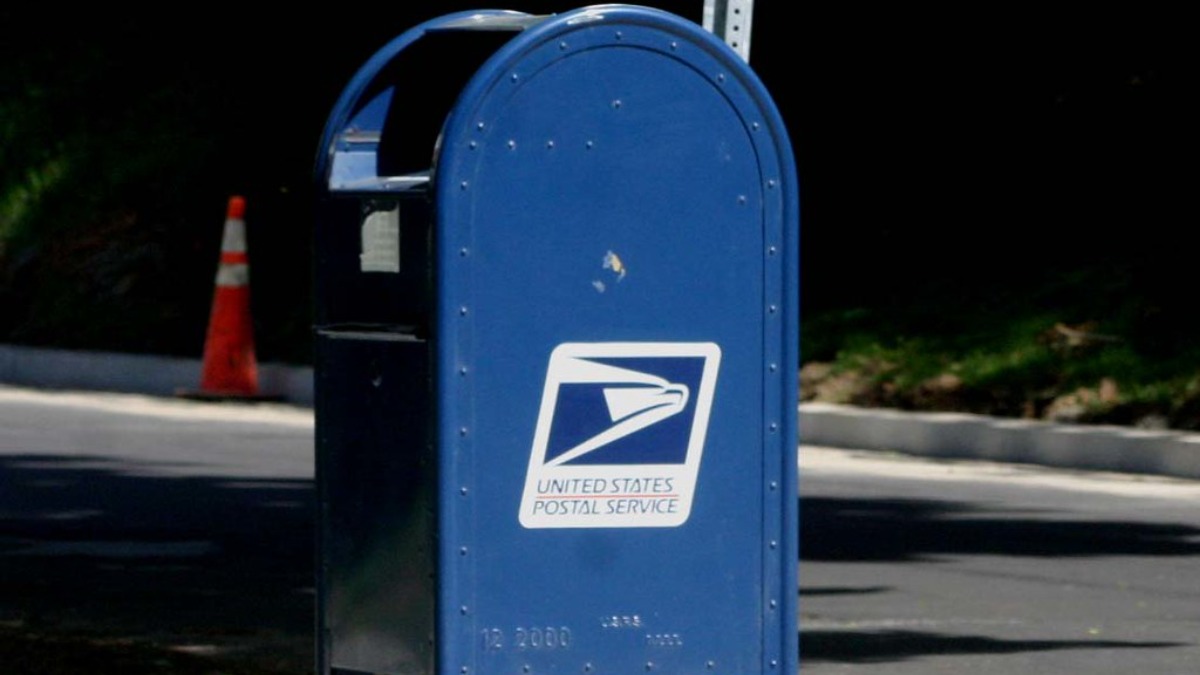

The U.S. Postal Service is set to inform Congress that it’s facing a severe financial crisis, with projections indicating it will run out of cash in under a year unless major reforms are implemented.
Postmaster General David Steiner is scheduled to testify before a House Oversight subcommittee, where he’ll outline the critical need for several changes. He’s pushing for higher stamp prices, an increase in the USPS’s borrowing capacity, and crucial reforms concerning pension funding, liability calculations, workers’ compensation, and retirement fund investment strategies.
According to Reuters, Steiner provided a written testimony saying, “In order to ensure our survival beyond next year, we need to increase our borrowing capacity so that we don’t run out of cash.” He warned that failing to address this could lead to “the end of the Postal Service as we know it now.”
It would be the end of affordable mail and couriers
The USPS currently has a borrowing cap of $15 billion, and it’s already hit that limit, which means it can’t borrow any more money without congressional approval. The service has reported staggering net losses of $118 billion since 2007. A major factor here is that thanks to digital communication options, first-class mail, which used to be their most profitable product, has now fallen to its lowest volume since the late 1960s.
Steiner has some tough cost-cutting options that “may not be palatable to Congress or the American public.” These include ending six-day-a-week deliveries to save $3 billion annually, or closing post offices, especially smaller ones in remote areas to save around $840 million. Then there’s the possibility of raising first-class mail stamp prices to $1 or more, which would still be much lower than other countries.
Steiner highlighted that the dramatic drop in mail volume, from 213 billion pieces in 2006 to 109 billion in 2025, translated to an estimated $81 billion in lost revenue at current stamp prices. He put it quite vividly, saying that since 2006, USPS “was thrown overboard and instead of tossing us a life jacket, we were thrown an anchor.”
Despite these struggles, the USPS still delivers to over 170 million U.S. addresses six days a week, often in tough conditions, like severe snowstorms that bury vehicles. All to meet their unofficial motto. While they have stiff private competition, your packages are also legally protected.
Congress did provide some relief in 2022, offering $57 billion in financial aid over a decade and requiring future retirees to enroll in a government health insurance plan. The Government Accountability Office (GAO) is also set to weigh in with lawmakers to “address USPS’s unsustainable business model before it will be responsible for billions in new annual expenses for retiree health care, likely in 2031.”







Published: Mar 17, 2026 09:18 am