


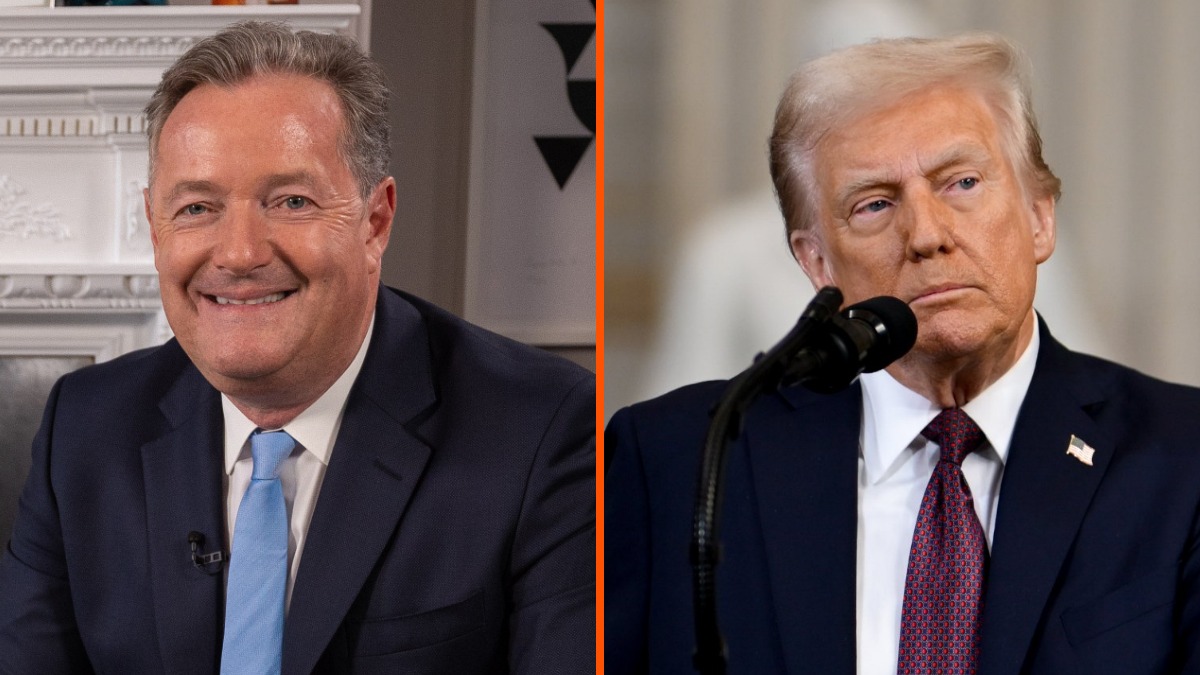

Donald Trump has announced that the U.S. Navy will begin a blockade of ships entering or leaving the Strait of Hormuz after ceasefire negotiations with Iran failed in Pakistan. It’s a move that has left many, including media personality Piers Morgan, scratching their heads.
Morgan took to X to voice his confusion, noting the irony of the situation. “Sorry, WHAT!? So, having demanded the Strait be opened on pain of all Iranian civilisation being ended, President Trump is now going to shut it himself?” It isn’t the first time he has been critical of Trump’s actions, even calling out the President’s claims of victory.
Per AP News, U.S. Central Command confirmed that the blockade of all Iranian ports is set to begin Monday at 10:00 AM EDT (5:30 PM in Iran). While the directive is intended to be enforced impartially against vessels of all nations, the command stated that it would continue to permit transit for ships moving between non-Iranian ports. The primary goal here, according to the administration, is to weaken Iran’s leverage in the ongoing conflict.
I agree with Morgan, because let’s be honest, Iran isn’t going to take this lying down
The fallout from this announcement was immediate. Global energy markets were visibly rattled, triggering a sharp rise in oil prices during early market trading on Sunday. U.S. crude saw an 8 percent jump, reaching $104.24 per barrel, while Brent crude climbed 7 percent to $102.29 per barrel. To put that in perspective, Brent crude was trading at roughly $70 per barrel before the war began.
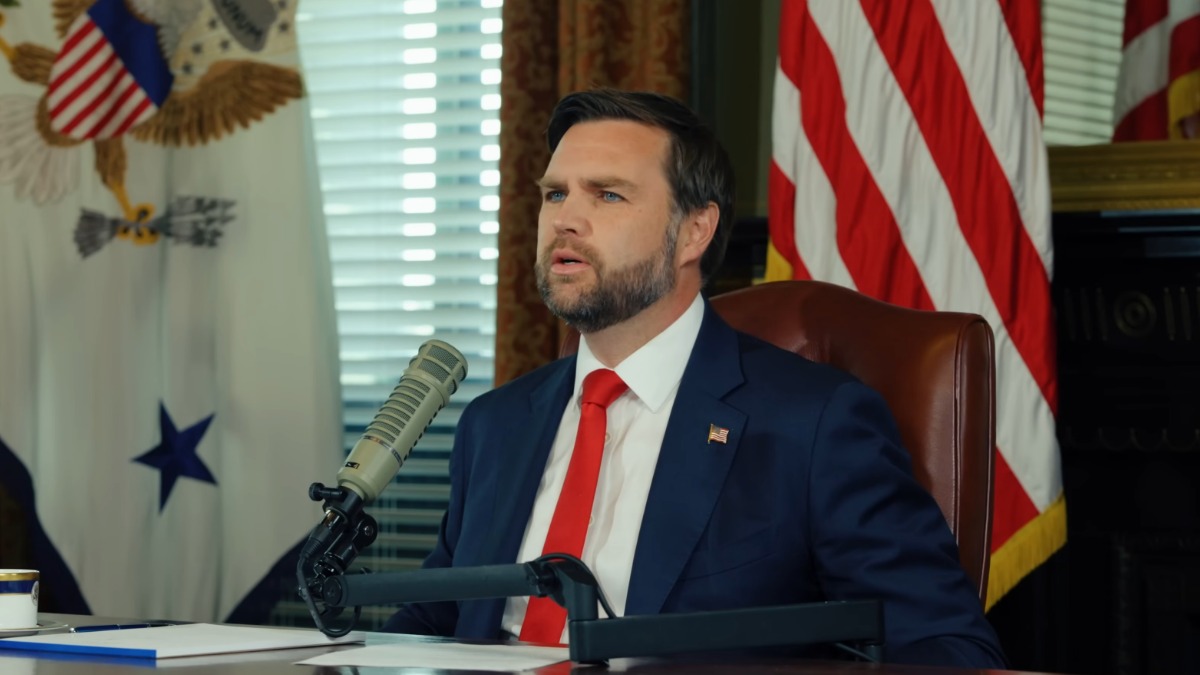
The decision to initiate this blockade follows the collapse of high-stakes negotiations in Islamabad. The Washington Post reported that Vice President JD Vance, who led the U.S. delegation alongside Steve Witkoff and Jared Kushner, announced that the talks failed to reach a resolution after more than 20 hours of deliberations.
Vance insisted that the U.S. team had been flexible and accommodating, acting on direct instructions from Trump to make a good faith effort toward a deal. Unfortunately, the two sides could not bridge the gap on critical issues, specifically the future of the Strait of Hormuz and Tehran’s demand that the U.S. unfreeze billions in assets.
These negotiations were initially viewed with a glimmer of optimism by regional diplomats. Despite the presence of high-level officials and the mediation efforts of Pakistani Prime Minister Shehbaz Sharif, the deep-seated mistrust proved too difficult to overcome.
The talks even shifted to a technical level at one point, which was seen as a positive sign. However, it wasn’t enough to secure a permanent peace.
The tension over the Strait of Hormuz has been a constant point of friction throughout the conflict. Since the fighting started, Iran has effectively taken control of the waterway, mining parts of it and requiring tankers to request permission for transit while collecting tolls.
This move by Iran put immense pressure on global shipping. After all, the Strait of Hormuz is the only waterway through which 20% of the global oil supply is shipped.
The President had previously stated on social media that the U.S. was clearing the strait as a favor to countries around the world. Shortly after, the USS Frank E. Petersen Jr. and the USS Michael Murphy were deployed to the region to begin mine-clearing operations.
Honestly, I can’t shake the feeling that they were sent in preparation for the blockade, not just to clear mines. Mostly because at the same time as this was happening, Trump was creepily gushing about the oil in the US. All of it, from clearing the mines to announcing the arrival of tankers, and then the blockade, seems to me a power move.
This strategic pivot to a blockade is a complicated turn of events that makes a diplomatic path forward look increasingly narrow. All we can do is wait and watch to see how this is going to play out.



Published: Apr 13, 2026 04:21 am