


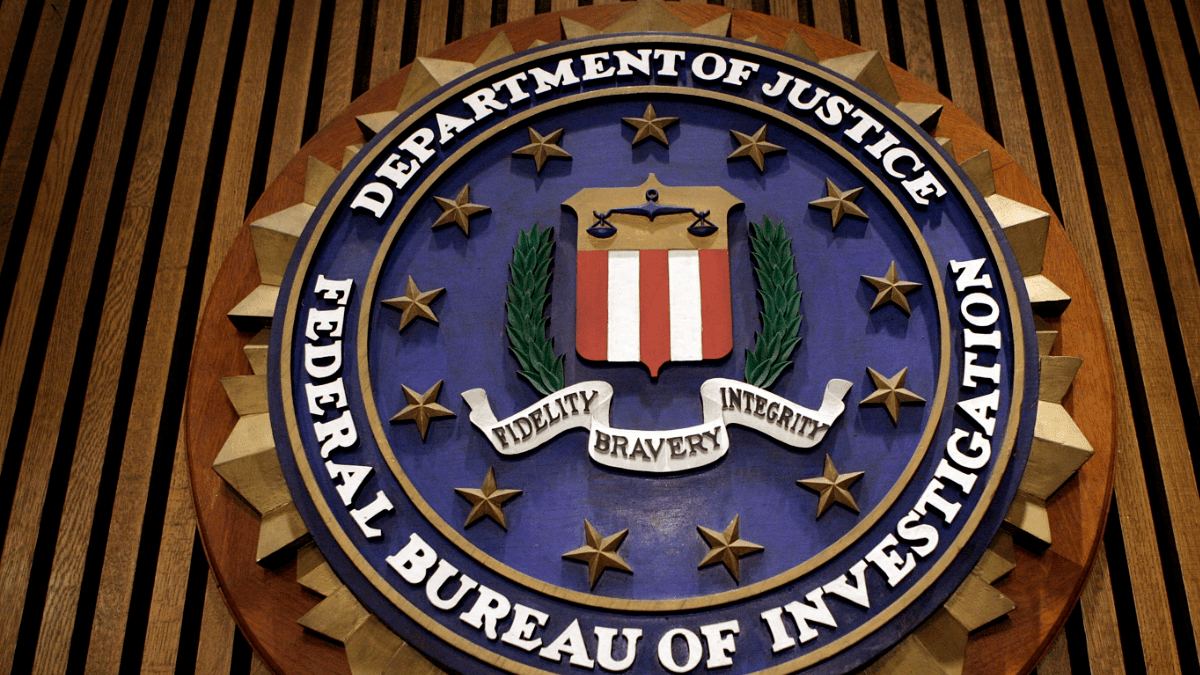

Trump’s Federal agents just made an incredibly rare and aggressive move, searching the home of Washington Post reporter Hannah Natanson as part of a leak investigation. This isn’t just a scary action for a journalist; it immediately put the anonymity of 1,169 confidential sources at grave risk, which is frankly awful for press freedom and the public’s right to know what’s going on inside the government.
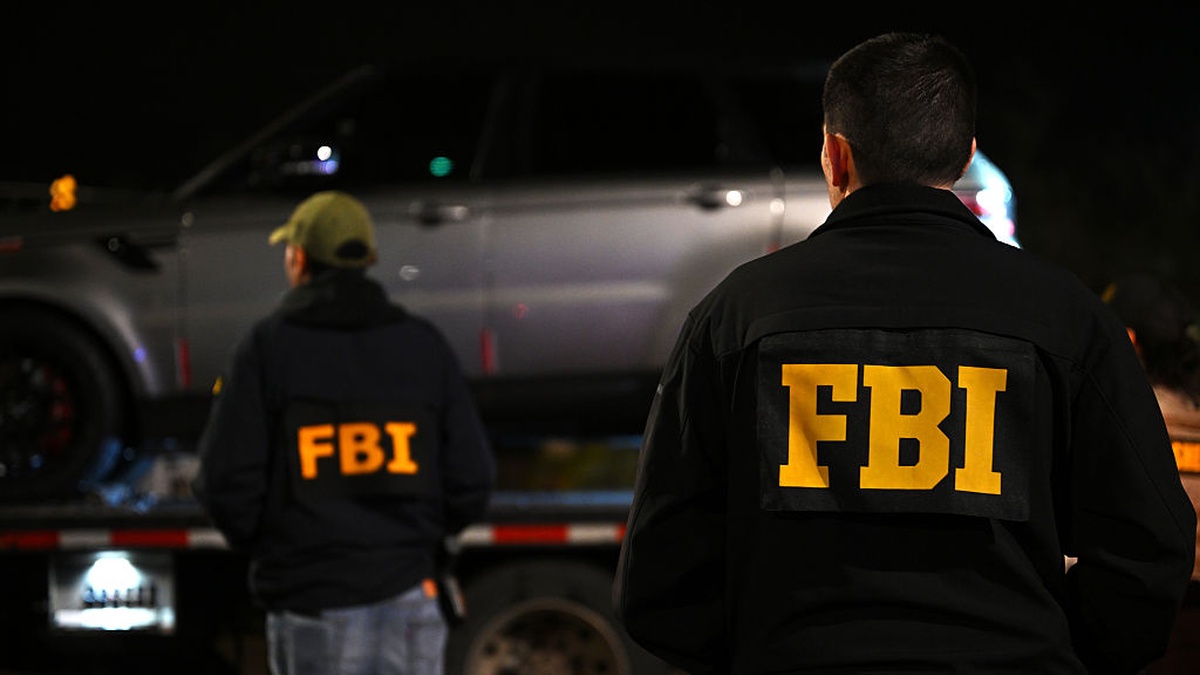
Agents executing the search warrant didn’t mess around, seizing Natanson’s laptops, her phone, and even her smartwatch. That’s a huge haul of personal and professional data that could easily reveal the identity of every single person who trusted her with sensitive information, according to NY Times.
Natanson has spent the last year intensely covering the Trump administration’s effort to overhaul the federal workforce, which includes plans to fire federal employees and redirect much of the bureaucracy toward enforcing the president’s agenda. She had made 1,169 sources by sharing her contact information and asking for stories of upheaval, frustration, and fear from those on the inside.
There’s no safe place in the US from Trump
Some of the messages she received really highlight the risk people were taking to speak out. One Defense Department worker told her, “I understand the risks. But getting the truth and facts out is so much more important.” Another person, a Justice Department staff member, confessed, “I’d never thought I’d be leaking info like this.” Now, the identities of all those people are potentially in the hands of the Justice Department.
The investigation itself centers on Aurelio Perez-Lugones, a system administrator in Maryland who holds a top-secret security clearance. Court documents show investigators were looking into Mr. Perez-Lugones because he’s accused of illegally taking home classified intelligence reports. These confidential documents were reportedly found in his lunchbox and basement. The affidavit indicates that his job gave him access to sensitive information, and he allegedly printed confidential documents he wasn’t authorized to search for and took notes on a classified report related to government activity.
Attorney General Pam Bondi released a statement on social media claiming the search was executed at the Pentagon’s request. She said the goal was to look for evidence at the home of a journalist “who was obtaining and reporting classified and illegally leaked information from a Pentagon contractor.”
This type of aggressive action is exceedingly rare, even when the government is investigating the unauthorized disclosure of classified information. There’s a 1980 law called the Privacy Protection Act that generally bars the use of search warrants for a reporter’s work materials unless the reporter themselves is suspected of committing a crime related to those materials.
Matt Murray, the executive editor for the publication Natanson works for, stressed in a message to staff that neither she nor the paper was the focus of the investigation itself. He added that regardless, this “extraordinary, aggressive action is deeply concerning and raises profound questions and concern around the constitutional protections for our work.”
The Justice Department has policies requiring investigators to exhaust all “reasonable attempts” to get information from alternative sources, and they must try to negotiate with the affected journalist first. The only exceptions are if negotiations would pose a substantial threat to the investigation’s integrity or risk grave harm to national security. The Justice Department hasn’t offered any explanation as to why they bypassed these steps, like issuing a less-intrusive subpoena.
The fact that they could bypass these checks is a direct result of recent policy changes. Attorney General Bondi rolled back previous safeguards last year, restoring the ability to use search warrants against reporters. She also made a crucial change: she dropped the constraint that barred investigators from portraying journalists as criminals simply to get around the 1980 law. This allows the government to be far more aggressive in targeting the press.


Published: Jan 15, 2026 12:19 pm