



US businesses are adding workers at the weakest pace in 15 years, not counting the early days of the pandemic. New data released shows a serious slowdown in the labor market, and this is happening even before the full economic impact of the Middle East conflict has hit the country.
According to CNN, the share of hires as a percentage of total employment dropped to 3.1% at the end of February. According to the latest Job Openings and Labor Turnover Survey from the Bureau of Labor Statistics, this is the lowest rate since April 2020, and before that, you would have to go back to 2011 to find something similar.
This also marks the steepest one-month drop outside of the pandemic since 2016, falling from January’s 3.4%. Laura Ullrich, director of economic research in North America at the Indeed Hiring Lab, noted, “Which is concerning given the ongoing impacts of the conflict in Iran.”
The job market is slowing down badly, and war spending is making things worse
The biggest pullbacks in hiring are happening in construction and professional and business services, both of which are normally reliable signs of economic health. For context, the lowest hires rate ever recorded was 2.9% in 2009, during the Great Recession.
Tuesday’s report also showed that job openings fell to an estimated 6.88 million from 7.24 million in January. Layoffs went up slightly to 1.72 million from 1.66 million. Voluntary quits, which show how confident workers feel about finding new jobs, dropped to 2.97 million in February, the lowest since 2020. This combination of slow hiring and what economists call “labor hoarding” means the natural movement of workers between jobs has nearly stopped.
The February jobs report also showed the US economy lost an estimated 92,000 jobs that month. The ongoing Middle East conflict has made things worse by causing an energy shock and material shortages. Elizabeth Renter, NerdWallet’s senior economist, wrote on Tuesday that if input costs keep rising, companies “may be forced to reckon with tough decisions such as raising prices or reducing hours and workforce.”
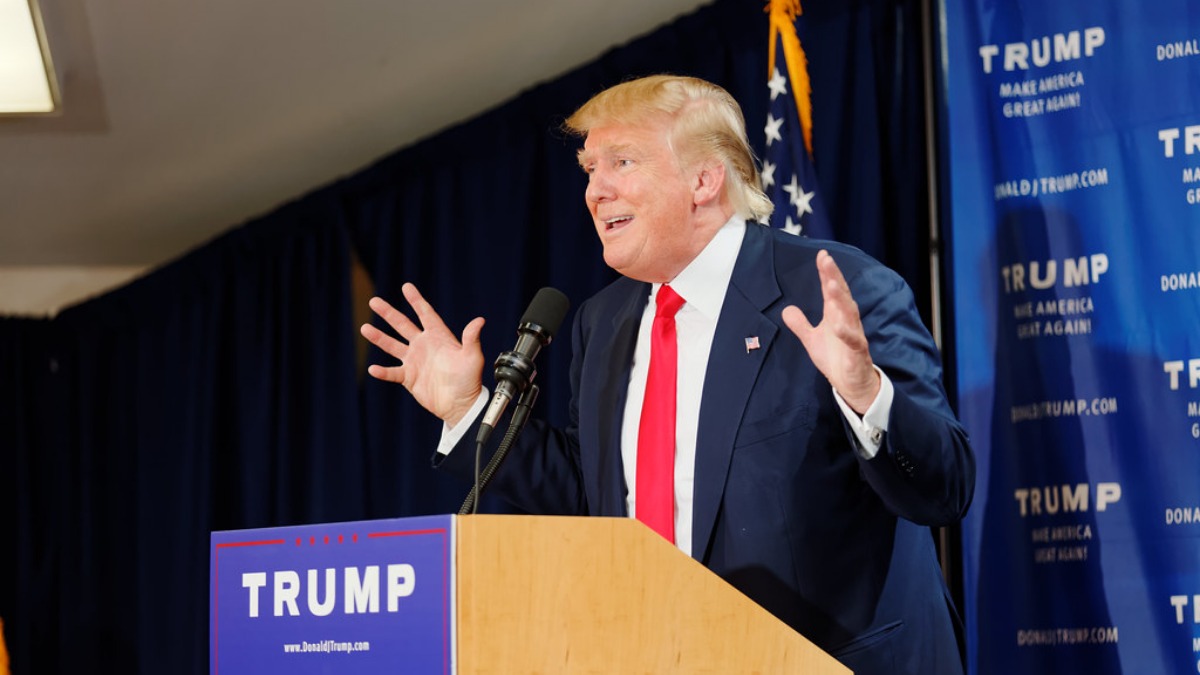
This economic situation makes the government’s spending choices stand out even more. Trump has also made waves with his bold territorial ambitions including Greenland, raising further questions about the administration’s priorities. President Trump’s administration has already spent an estimated $25 billion on the Iran war, and reports say the White House is planning to ask for an additional $200 billion in military funding.
Budget experts like Bobby Kogan, senior director for federal budget policy at the Center for American Progress, have calculated what that money could buy instead: Medicaid coverage, free school lunches, and housing, child care, and community college help for tens of millions of Americans. Similar figures have been published by the Century Foundation and Mother Jones.
According to the LA Times, Democrats in Congress have also drawn these comparisons. Rep. Diana DeGette (D-Colo.) wrote on X that “$11.3 billion would have fully funded the training of 100,000 new nurses to solve our staffing crisis,” and that this same amount “was spent in just six days on an illegal war with no endgame.”
One Tomahawk missile costs about $3.5 million and could cover Medicaid for 275 people for a year. The US has reportedly fired around 300 of these missiles so far, totaling over $1 billion. Based on the Congressional Budget Office’s figure of about $8,048 per person annually for Medicaid, Kogan’s calculations show the $25 billion already spent could cover Medicaid for more than 3.1 million people.
The additional $200 billion request could cover 24.8 million people. The $25 billion could also fund free school lunches for around 30 million children for a full 180-day school year, based on a government estimate of up to $4.69 per day per child.
For child care, which costs an average of $14,048 in 2026, $25 billion could cover about 1.78 million households, and $200 billion could cover roughly 14.2 million. In education, with community college averaging $8,700 this year, $25 billion could pay tuition for about 2.87 million Americans, and $200 billion could cover nearly 23 million students.
The Century Foundation also notes that $200 billion could cancel all medical debt for the 100 million Americans carrying about $194 billion in debt, and Mother Jones reported it could cover the wages of 2.8 million public school teachers, based on an average salary of $72,030.
Trump has also drawn attention for breaking a 165-year-old presidential tradition, adding to a growing list of unconventional moves during his presidency. As Kogan acknowledges, the point of these comparisons is “to get a sense of scale” and to understand the enormous trade-offs involved in government spending decisions.








Published: Apr 1, 2026 09:20 am