


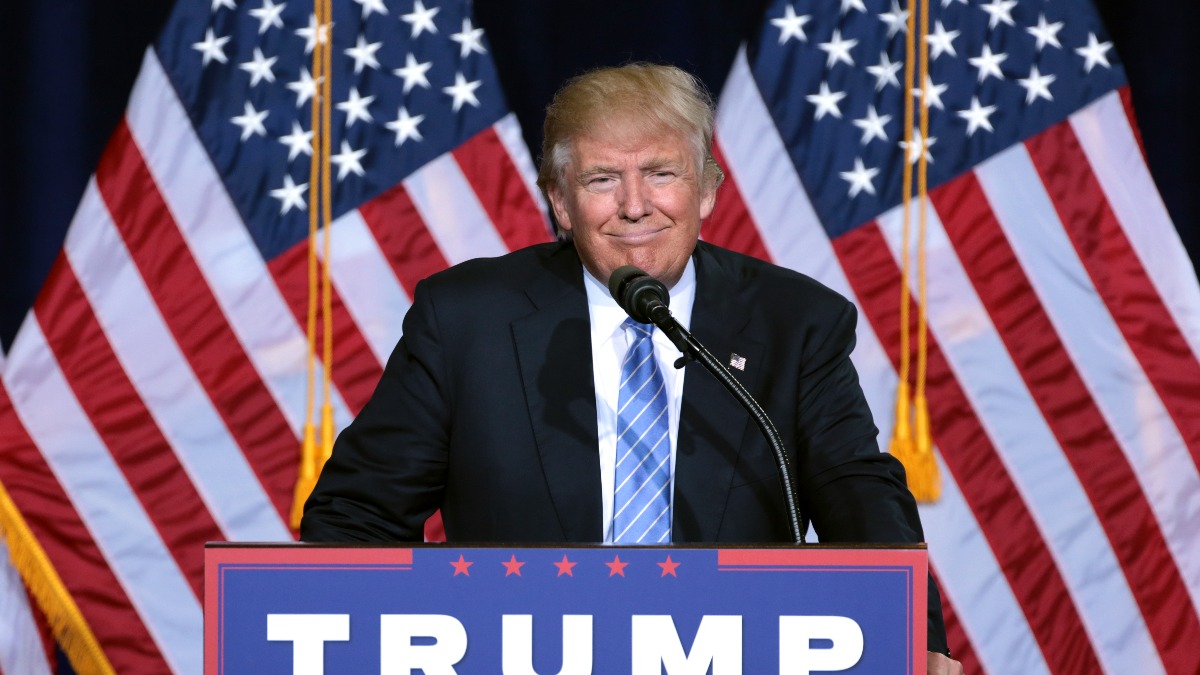

Members of the Trump administration were just as surprised as everyone else when Israel struck Iranian oil fields on Sat. March 7, 2026, causing a steep spike in fuel prices, according to Axios. An Israeli official reportedly characterized the U.S. response, “WTF.”
On March 7, 2026, Israel carried out a major wave of airstrikes against Iranian fuel and energy infrastructure, including roughly 30 fuel depots and storage facilities used by the Iranian military.
The strikes caused large fires in and around Tehran and other sites, producing dramatic images of burning fuel storage tanks. The Israel Defense Forces (IDF) said the depots were “used by the Iranian regime to supply fuel to different consumers,” including military operations.
Bigger strikes than expected
Israel reportedly warned the U.S about the strikes, but U.S. officials didn’t expect them to be so severe, causing the first major tension between the two allies since the war began. U.S. officials understood the mission would be a limited, “symbolic” strike focused specifically on fuel supplies for military missile launchers.
But the operation hit many more fuel depots than expected, creating a much larger political and economic impact. “We don’t think it was a good idea,” a Senior Official told Axios.
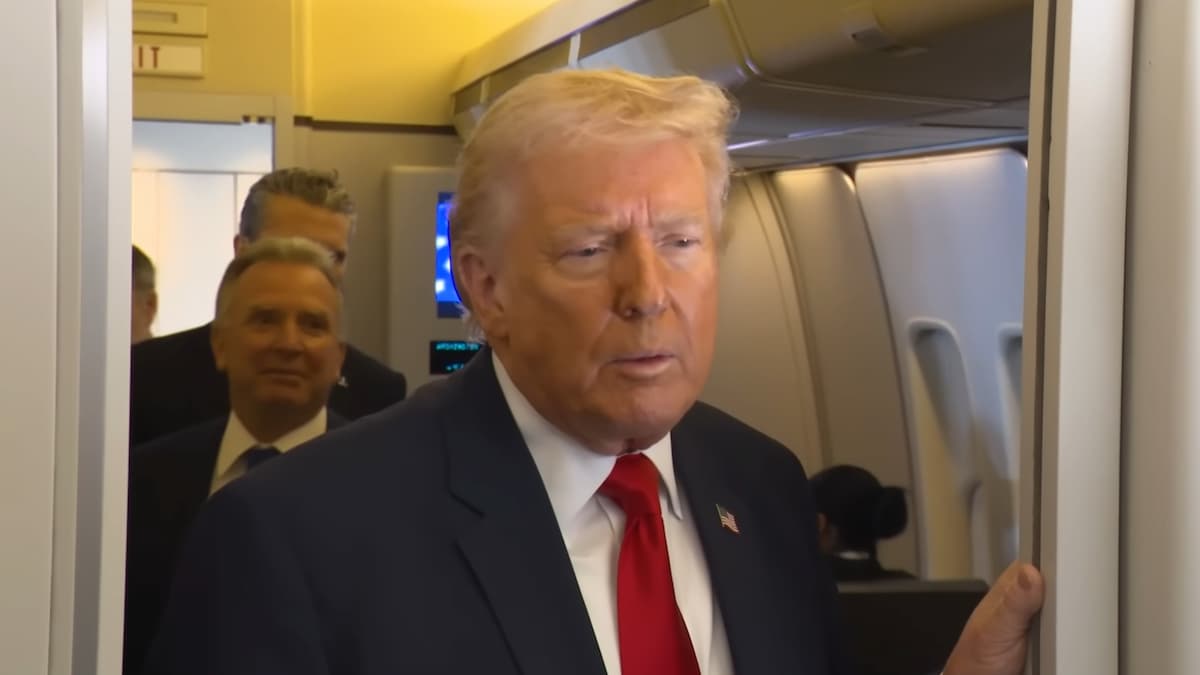
A Trump adviser added, “The president doesn’t like the attack. He wants to save the oil. He doesn’t want to burn it. And it reminds people of higher gas prices.”
Chaos in the global fuel supply
After the strikes, Brent crude briefly surged toward its highest level in years, at around $119 a barrel, and global benchmark prices rose above $100 per barrel for the first time since 2022.
Meanwhile, oil supply disruptions spread as Gulf producers cut output and shipping through the Strait of Hormuz stalled, stranding tankers. Because roughly 20% of the world’s oil passes through the Strait of Hormuz, even partial disruptions quickly ripple through global markets. The U.S. national average for gasoline is projected to jump by mid-week.
After the strikes, Iran threatened retaliation against regional oil infrastructure, including in Gulf states, raising fears of attacks similar to past strikes on refineries or export terminals. The G7 discussed releasing emergency oil reserves to stabilize markets, and governments worldwide began preparing contingency measures to offset supply disruption.
After a meeting on Monday, March 9, G7 finance ministers said in a joint statement, “We will continue to closely monitor the situation and developments in the energy markets and will meet as needed to exchange information and to coordinate within the G7 and with international partners.” The statement added, “We stand ready to take necessary measures, including to support global supply of energy such as stockpile release,” according to The Guardian.




Published: Mar 9, 2026 04:31 pm