


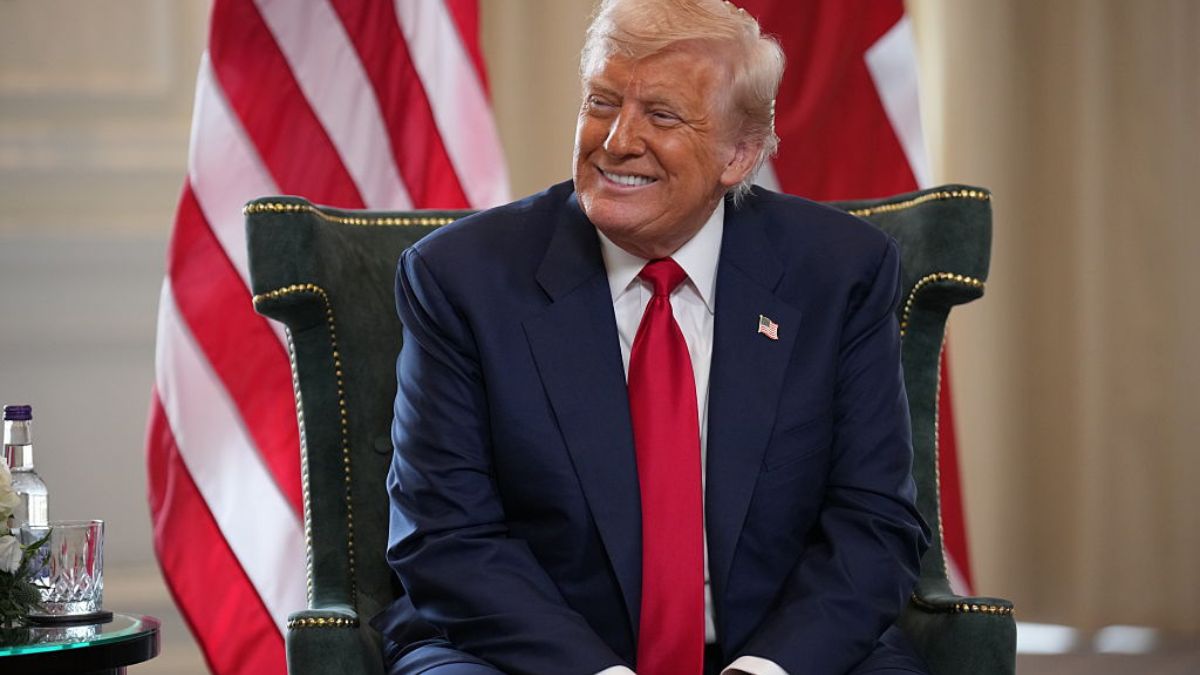

President Donald Trump’s trade war has reached a new phase as the August 7 deadline for higher tariffs takes effect. The Trump administration had set August 1 as the original deadline for countries to agree to trade deals with the United States or face even steeper tariffs. While the administration never expected to complete 90 trade deals in 90 days, it has made progress in setting tariff rates on trading partners around the world.
According to MSNBC, the modal tariff rate appears to be 15% for countries like the European Union, Japan, and South Korea. However, other nations face much higher rates, including 50% on Brazil and a threatened 25% in India. These tariffs are sales taxes on imports that are paid first by the importer, who then tries to pass the costs down to wholesalers, retailers, and ultimately to American consumers.
The Trump trade war was supposed to punish other countries, but guess who’s actually paying the price. The administration’s approach starts from the premise that if America buys more from another country than that country buys from America, the other country is “ripping us off” and must be punished. This punishment comes in the form of tariffs, which make imported goods more expensive for American buyers.
American consumers are feeling the pinch as tariff costs mount
The European Union, America’s largest trading partner, now faces a 15% tariff despite the U.S. importing over $600 billion in goods from EU member nations last year. Pharmaceuticals and cars make up large portions of these imports, and specific goods and products will be affected by Trump’s tariffs, driving up costs for American consumers. The Yale Budget Lab estimates that existing tariffs will cost the average household $2,400.
Evidence shows the trade war is raising prices across the board. Goods inflation, which was around zero a few months ago, is now tracking at 3%. This increase affects tangible products like shirts and microwaves rather than services like haircuts or doctor visits. Major companies, including Procter & Gamble and Walmart, are explicitly raising prices because of tariffs, with electronics and consumer goods particularly hard hit.
The impact on businesses is also significant. Ford estimates a $2 billion hit this year from tariffs, while GM is also reporting major tariff-induced hits to its bottom line. These companies are telling shareholders about the real costs, even though the Trump administration doesn’t like such announcements. The effects are expected to worsen as two protective buffers for consumers are disappearing. Companies had built up inventory before tariffs hit and squeezed profit margins to avoid immediate price increases, but both strategies are running out.
Despite the administration’s progress in setting tariff rates, many deals remain unresolved. Trump has already extended his deadline for a trade deal with Mexico, America’s largest trading partner. Even announced deals are not fully public and remain as frameworks with different interpretations from both sides. For example, Trump believes the EU has agreed to buy $750 billion worth of U.S. energy products, but the EU says these are non-binding agreements up to private companies across its 27 member states.






Published: Aug 1, 2025 11:40 am