


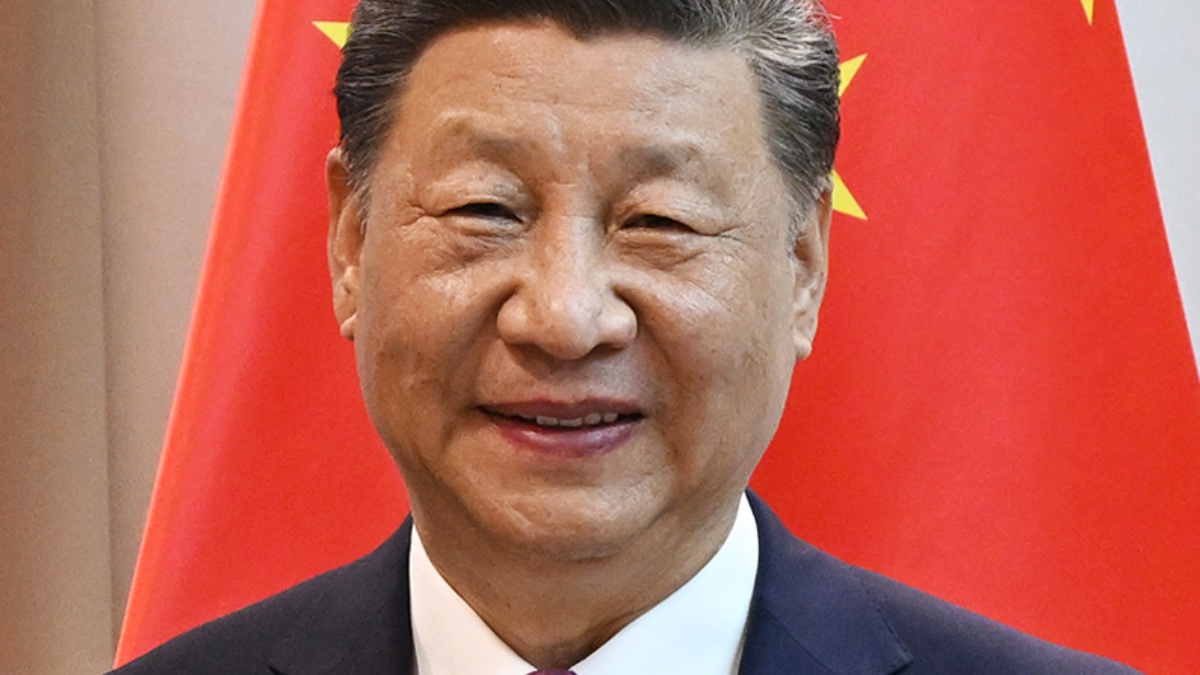

President Donald Trump is weighing the possibility of delaying a high‑stakes diplomatic trip to China — including a planned summit with Chinese leader Xi Jinping — if Beijing does not help Washington respond to the effective closure of the Strait of Hormuz.
The shift comes as China’s heightened military activity near Taiwan remains a significant strategic pressure point in U.S.–China relations.
In recent days, Taiwan’s Ministry of National Defence reported the return of large‑scale Chinese military flights and naval activity near the island, registering approximately 26 Chinese aircraft detected in the vicinity of the Taiwan Strait and multiple vessels operating in nearby waters.
Taiwanese officials noted this marked the resumption of maritime and aerial operations after a brief lull that had raised questions about Beijing’s tactical intent, according to the AP.
The timing of the renewed activity — coming amid broader tensions in the Indo‑Pacific and the Middle East — shows that Beijing remains focused on asserting military presence near Taiwan even as U.S. policymakers push for cooperation on separate fronts.
The Strait of Hormuz is not officially closed, but Iranian military threats and ongoing conflict have effectively halted most commercial shipping, sending global oil prices sharply higher as markets react to the disruption of roughly 20% of the world’s oil supply
Hormuz pressure meets cross‑strait tensions
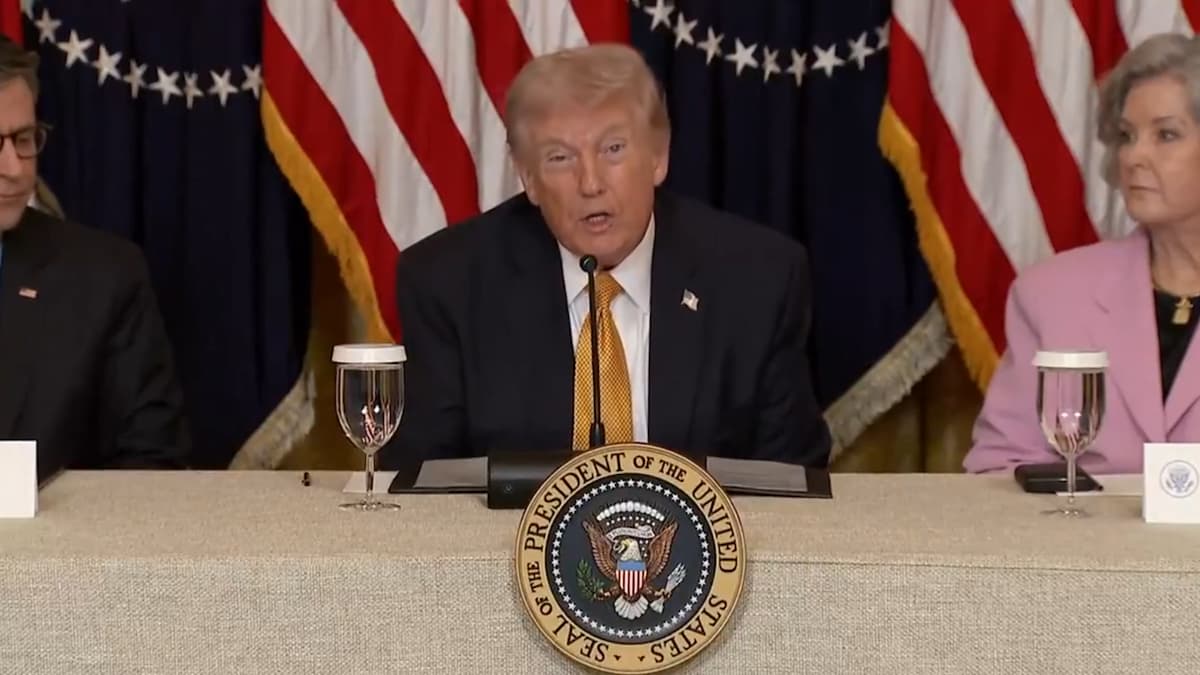
On the topic of Hormuz, Trump has publicly suggested that he might postpone or delay an end‑March to early‑April summit in China if Beijing does not assist with unblocking the crucial trade route.
Recent White House statements on the situation confirm that while the trip is not considered outright canceled, it could be postponed as Trump prioritizes coordination of U.S. military efforts in the Middle East. A senior White House official emphasized that travel “may not be optimal” during the current conflict phase, even as preparations continue, according to Bloomberg.
China has so far not publicly committed to sending naval forces to the strait, and Beijing’s official comments on the request have been limited. U.S. Treasury Secretary Scott Bessent, speaking from Paris, said the meeting could get “postponed,” but it “would have nothing to do with the Chinese making a commitment to the Straits of Hormuz.”
Taiwan’s strategic spotlight
China’s military pressure near Taiwan — including frequent sorties and maritime patrols — has been a feature of regional geopolitics for years and is widely viewed as part of Beijing’s broader efforts to deter Taiwanese moves toward formal independence. Large military exercises around Taiwan have occurred repeatedly over the past several years, including air and naval drills designed to demonstrate the People’s Liberation Army’s capabilities in a regional contingency scenario.
Taipei’s recent detection of a resurgence in Chinese military flights reflects how quickly conditions can shift in the Taiwan Strait. While overall activity levels have fluctuated, the return of large formations of Chinese aircraft has drawn renewed attention from policymakers in Taipei, Washington, and allied capitals alike.
Beijing and Taiwan: checkmate or balancing act?
The interplay between Hormuz and Taiwan highlights the geopolitical competition at the heart of the U.S.–China relationship. Trump’s pressure on China to help secure a Middle Eastern maritime chokepoint — one vital to global energy markets — ties into broader strategic debates over cooperation with Beijing on international security challenges.
At the same time, China’s continued focus on Taiwan highlights that Beijing’s core regional priorities are not easily subordinated to U.S. requests, even amid acute global crises.
Whether Trump’s approach results in concrete cooperation from China — or simply underscores the limits of U.S. leverage — remains a central question for both global energy security and the stability of the Indo‑Pacific region as tensions persist on multiple fronts.




Published: Mar 16, 2026 04:49 pm