



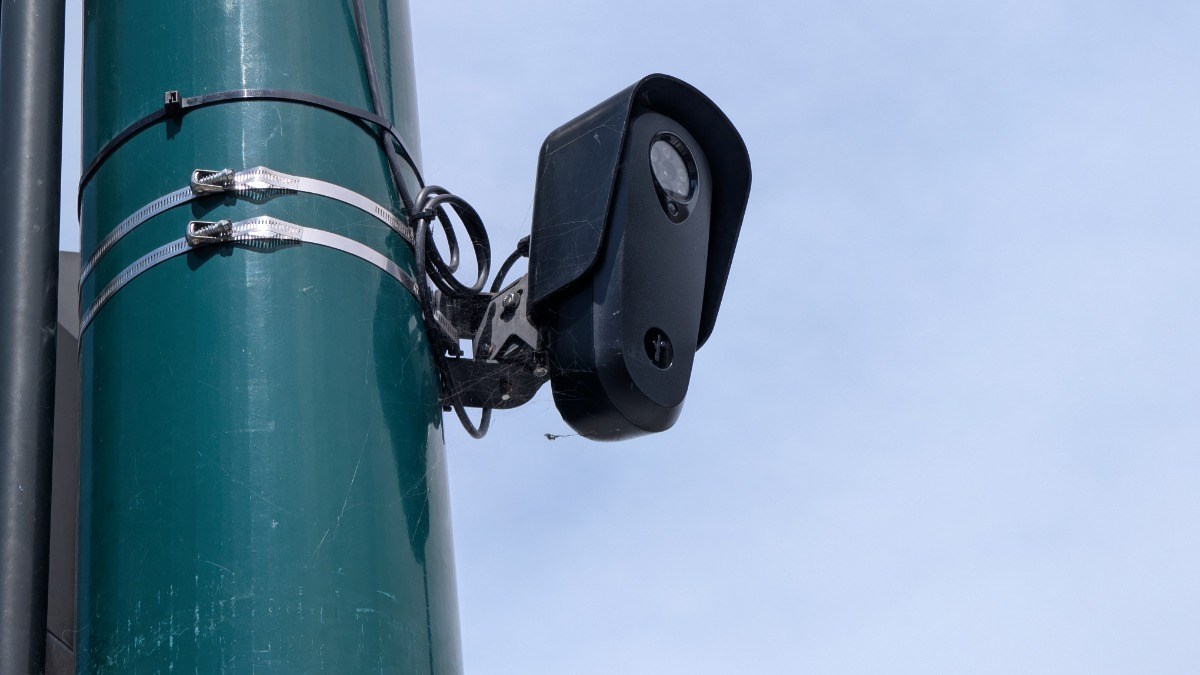
Former University of Montana president Seth Bodnar, now an independent candidate for the state’s U.S. Senate seat, posted a video advertisement on social media. The roughly one-minute spot targeted automated license plate readers built by Flock Safety and similar firms, and it closed with him lining up a shot and firing at one of the devices.
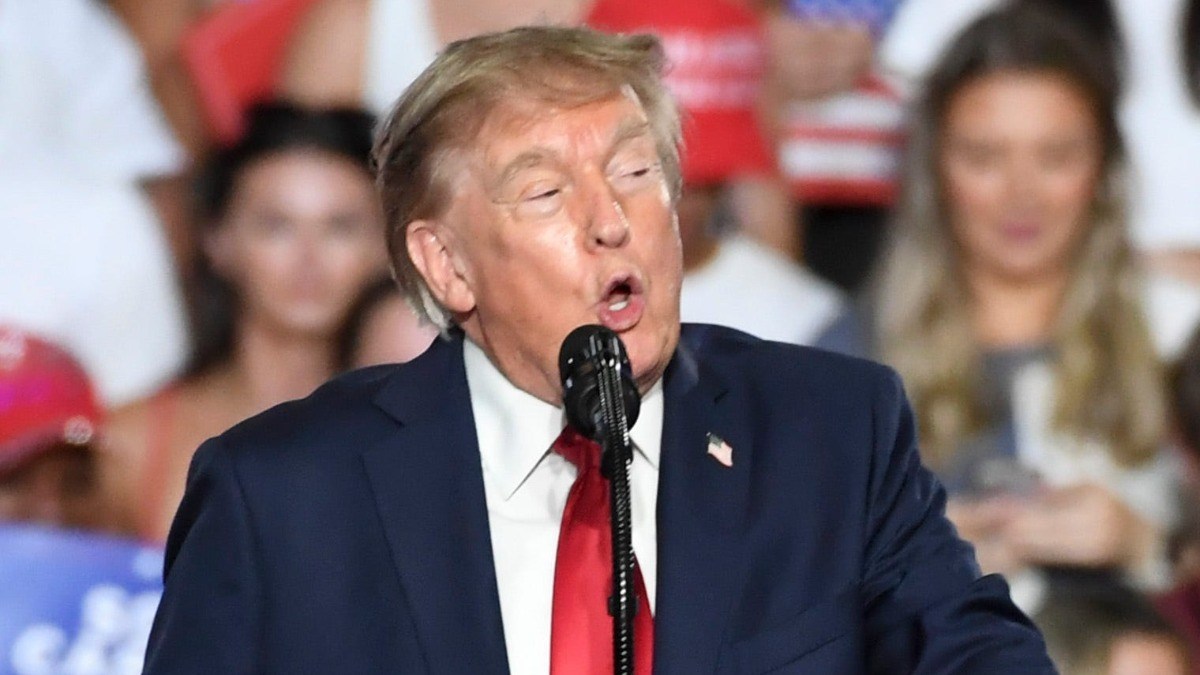
Bodnar used the ad to answer a recent remark from President Donald Trump, who told a reporter that he “liked them.” The post’s caption stated, “Trump says he ‘likes’ Flock cameras. I say ‘Flock off.’” The video itself opened with Bodnar saying, “Flock off, man!”
Law enforcement agencies have said the cameras help them catch criminals. Critics have cited improper access to the collected data, wrongful arrests, and the fact that the systems record every passing license plate. In response to that criticism, dozens of city and state governments have apparently shut the cameras off and ended their contracts with the company.
Unusual filing-deadline changes and current poll standings in Montana
In the video, Bodnar asked, “Are you tired of security cameras watching your every move?” as he lifted a gun case out of his vehicle. “Yeah, me too,” he added. He then described ordinary daily errands he said the cameras were “watching.”
He labeled the practice “creepy as hell” and “part of a massive economy designed to buy and sell our personal data,” linking the cameras to AI data centers. The candidate’s critique of surveillance technology comes as the debate over Flock cameras has reached the highest levels of politics, with former President Trump expressing support for them.
Walking toward a tree stump with what appeared to be a Flock camera in hand, he said of Big Tech, “They are all getting rich, and we’re getting screwed, and nobody is holding them accountable.”
Bodnar mounted the camera on the stump and placed a bag of flour behind it “just for fun.” He charged that Republican rival Kurt Alme was “just sitting back and watching it all happen.” “I won’t — not by a long shot,” he said before firing, which sent a cloud of flour into the air.
The words “OUR PRIVACY IS NOT FOR SALE” then appeared on screen over a brief acoustic cover of Rockwell’s 1983 song Somebody’s Watching Me.
Mediaite points out that the Montana Senate contest has followed an uncommon path this cycle. Incumbent Republican Sen. Steve Daines first appeared set to seek another term, then withdrew minutes before the 5:00 p.m. MT filing deadline on March 5, the same moment Alme, the U.S. Attorney for the District of Montana, entered the race.
Daines announced his exit and his endorsement of Alme at 5:02 p.m. MT, two minutes after the deadline had passed. Other Republicans, expecting Daines to run, did not file, and Alme won the primary without a major challenge.
Air Force veteran Alani Bankhead took the Democratic nomination. Pharmacist and former congressional candidate Kyle Austin won the Libertarian primary. The day before the filing window closed, Bodnar said he was leaving the university presidency to run as an independent with support from former Democratic Sen. Jon Tester.
Bodnar finished first in his West Point class, earned a Rhodes Scholarship, and served with the Army’s 101st Airborne Division and as a Green Beret on multiple Iraq deployments.
A Montana Free Press poll conducted from Aug. 27 to Sept. 7 found that Bodnar had risen since a May survey, yet remained in second place. The debate over Flock cameras extends beyond Montana, as Florida recently ordered their removal from state highways within 30 days.
The results showed Alme at 38 percent, Bodnar at 30 percent, Bankhead at 16 percent, and Austin at 5 percent. Rutgers University’s Eagleton Center for Politics surveyed 845 registered Montana voters, with a margin of error of plus or minus 4.2 percent.
Bodnar drew a larger share of Democratic voters in that poll than Bankhead did (53 percent to 41 percent) and led among independents (38 percent for Bodnar, 25 percent for Alme, and 18 percent for Bankhead). The Montana Free Press reported that independents account for 44 percent of the state’s electorate.



Published: Sep 15, 2026 05:45 am