


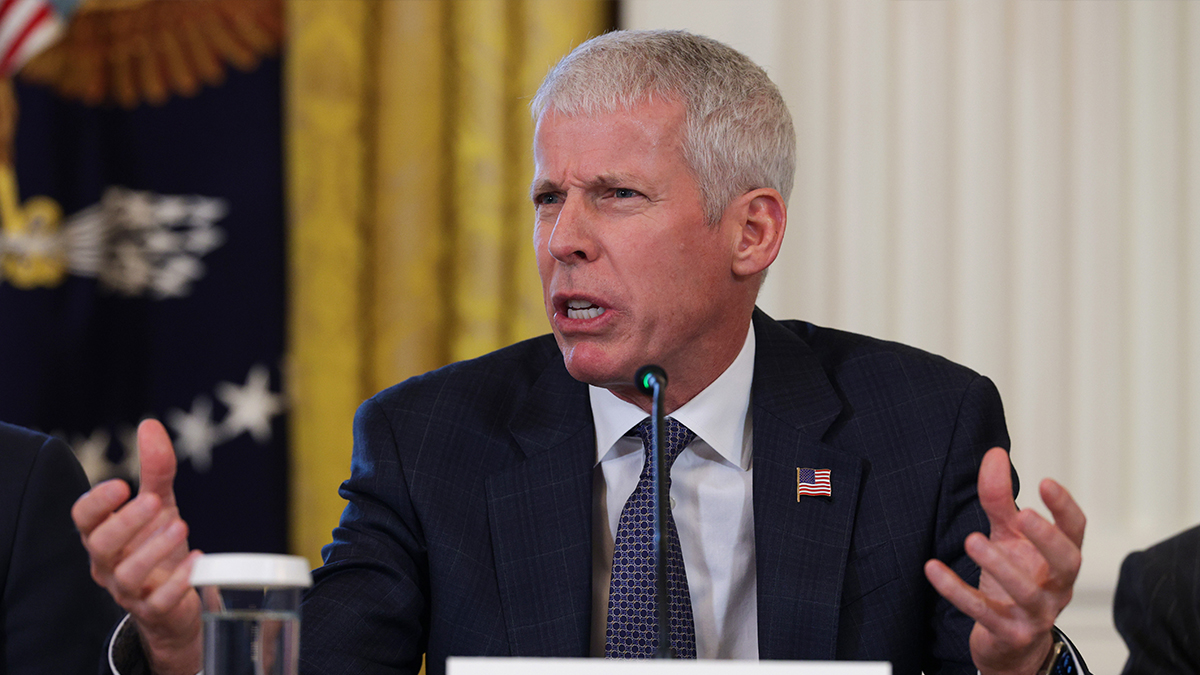

Energy Secretary Chris Wright is set to travel to Venezuela to meet with leaders and discuss the future of the nation’s massive state-run oil company. He will be the highest-ranking administration official to visit the country since the capture of former Venezuelan leader Nicolás Maduro.
Where it gets interesting is that Wright is strongly insisting that the Trump administration’s intense focus on the resource-rich country has nothing to do with oil.
In a Politico interview, Wright said deposing Maduro was “not a move for more oil supply,” and that Venezuela’s world-leading crude reserves were never a significant part of the decision-making process. “This was a geopolitical problem of a country that was a threat to all of its neighbors, a threat to the Western hemisphere, and a massive exporter of guns, of drugs, of criminals,” Wright explained. He added that Venezuela’s oil was “a nice coincidence.”
This perspective doesn’t match President Trump’s stated goals or actions. Trump has repeatedly declared that the US will help rebuild Venezuela’s oil sector to get “even lower energy prices.” This was not only confirmed by Vice President JD Vance, but Trump has also already made a $500 million deal.
Trump wasn’t even shy about stating his goal
The administration’s goal is to nudge Venezuela toward democracy, but this effort relies heavily on economic levers like the oil sector. Wright’s upcoming visit will focus heavily on the energy sector. He plans to meet with acting President Delcy Rodríguez and connect with relevant leaders of the oil and gas industry.
High on his list is tackling the management and corruption issues at the state-run oil company, Petróleos de Venezuela, or PdVSA, which has proven to be a massive roadblock to international investment. To encourage investment, interim authorities changed the country’s oil laws, allowing foreign companies to maintain control over their operations and cash flow. Wright praised this move as a “gesture of improvement already very early on in this new relationship.”
He did concede that larger investments will need more changes, like establishing solid ownership rights and access to neutral courts for resolving disputes. While the administration is excited about this, some US oil and gas producers and lawmakers are grumbling that the White House shouldn’t be adding global supply when American companies are already struggling with lower crude prices.
Wright also took time to tout his efforts to boost nuclear power, noting that an Energy Department initiative to bring three next-generation small modular reactors to criticality by July 4 is still on track. He views nuclear as the “most meaningful addition” to the US energy system because of its reliability, predicting that, eventually, if you run the math, “nuclear can become a cheap source of energy.”




Published: Feb 10, 2026 06:11 am