


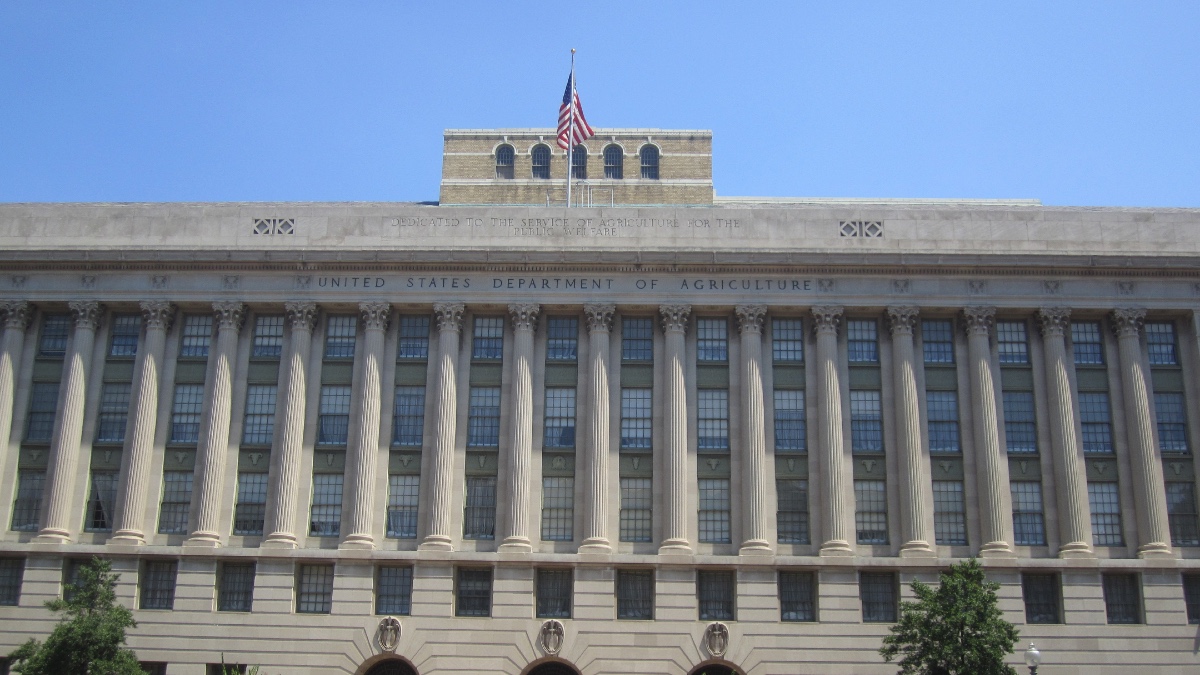

The Trump Administration‘s U.S. Department of Agriculture (USDA) is facing a third wave of bedbug issues in the Animal and Plant Inspection Service (APHIS) building in Beltsville, Maryland, the sub-agency responsible for stopping the spread of invasive pests and other threats. After putting workers on work-from-home status during the first two incidents, the USDA is now asking employees to remain in the office after the insects returned or use accrued leave or vacation time if they’d rather stay at home.
These building-wide pest issues have happened at the George Washington Carver Center, a federal office complex in Beltsville just outside Washington, DC, and a major employer in Prince George’s County. According to reporting from NOTUS, employees first learned about the bedbug problem in mid-May 2026, after the insects were discovered inside Building 3 at the complex.
USDA officials initially responded by allowing employees to work remotely while pest-control contractors treated the building. Workers returned after the fumigation, but some reported lingering chemical odors, illness, and raised concerns about working conditions inside parts of the building. USDA then authorized a second period of telework while officials addressed those concerns and continued mitigation efforts.
Pests returned, no remote work allowed
The situation escalated again at the end of May when employees were notified that insects had reappeared in the building. Several workers told NOTUS in interviews that agency leadership did not authorize another round of telework despite their return.
The policy has drawn attention because the Trump administration has pushed federal agencies to return employees to in-person work. The APHIS infestation became an unusual test case after the agency twice granted temporary remote-work exceptions before the insects returned for a third time.
USDA officials have disputed suggestions that the agency ignored the problem. In communications reviewed by NOTUS, agency leaders said they took prompt action after discovering the pest issue and worked with pest-control professionals to eliminate the insects.
Officials also pointed to personal belongings left inside offices as a factor that may have contributed to the bedbugs’ reappearance. According to the agency, some employees did not fully comply with instructions to remove or bag personal items during treatment efforts. Employees expressed concern about bringing personal belongings home, fearing the bugs might show up in their house.
What caused the original infestation remains unclear. Public reports have not identified a specific source. Bedbugs commonly spread through luggage, clothing, furniture, and other personal belongings. Because the insects can hide in seams, folds, and small crevices, people often transport them from one location to another without realizing it.
Experts generally note that infestations do not indicate poor sanitation because the insects feed on blood rather than food waste. The health risks associated with bedbugs differ from those posed by many other pests.
The U.S. Centers for Disease Control and Prevention (CDC) says bedbugs are not known to spread disease to humans. However, their bites can cause itching, allergic reactions, sleep problems, and significant stress for affected individuals. People can also unknowingly transport the insects into homes, vehicles, or other workplaces.
The USDA says it continues to work with pest management professionals to treat the infestation and limit any further spread at the George Washington Carver Center. As of early June, the facility remained open for normal operations despite the latest reported discovery of bedbugs.







Published: Jun 8, 2026 06:15 pm