


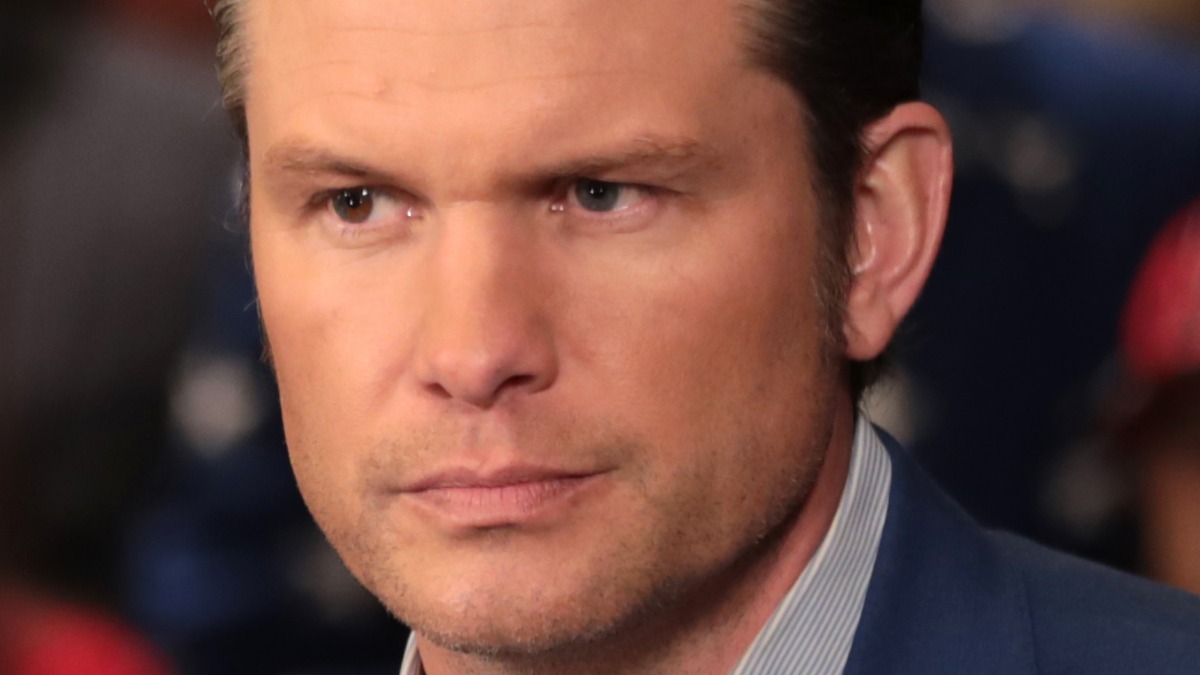

Secretary of Defense Pete Hegseth‘s broker allegedly attempted to buy stocks in a defense contractor before the U.S.-Israeli attack on Iran. The Pentagon has denied the allegations, but the implication casts Hegseth’s war rhetoric in a new light and is just one of many accusations suggesting individuals made money on the war.
The allegations stem from a report first published by the Financial Times and later confirmed by multiple outlets, including Reuters. According to reporting, a Morgan Stanley broker working with Hegseth contacted BlackRock about investing millions of dollars into a defense-focused exchange-traded fund that includes major military contractors. The investment attempt reportedly took place weeks before the U.S. and Israel launched strikes on Iran. The investment was not completed.
The Pentagon has strongly denied the report. A Defense Department spokesperson called the story false and demanded a retraction, stating that Hegseth had no involvement in any attempt to invest in defense companies ahead of the conflict.
The Pentagon has maintained that no improper trading occurred and that the secretary did not direct any such investment activity. The Financial Times has stood by its reporting, citing three sources familiar with the matter.
Prediction market and the war in Iran
Even if no wrongdoing is proven, the controversy comes amid broader scrutiny over who may be profiting from the Iran war, extending far beyond defense contractors.
One of the most controversial areas involves online prediction markets, where traders can bet on geopolitical events such as military strikes, regime change, or ceasefires. Platforms like Polymarket and Kalshi have seen massive trading volumes tied to the Iran conflict. In some cases, traders reportedly made hundreds of thousands or even millions of dollars by correctly betting on the timing of U.S. strikes before they were publicly announced, raising concerns about leaks of insider information.
In total, hundreds of millions of dollars were wagered on markets related to the Iran conflict, with some individual accounts reportedly earning more than $1 million from bets tied to whether the United States would strike Iran by a certain date. The activity has prompted lawmakers and regulators to question whether prediction markets could create incentives tied to war or allow people with inside information to profit.
The Trump family allegations
Allegations have also surfaced that Donald Trump Jr. and Eric Trump could be profiting from the Iran war through investments and financial ties to companies positioned to benefit from the conflict.
Reporting from The Wall Street Journal and other outlets found the brothers invested in a drone company expected to see increased Pentagon demand as drone warfare became central to the Iran conflict.
In addition, Trump Jr. has advisory and investment ties to the prediction market platform Polymarket, where traders have made large profits betting on geopolitical events such as U.S. military action against Iran, again drawing scrutiny from lawmakers and regulators concerned about war profiteering and insider trading.
More broadly, investigations and reporting have identified suspiciously well-timed oil futures trades and prediction market bets placed shortly before major Iran war announcements by the Trump administration. No direct evidence has publicly tied those trades to Trump family members.
At this time, it remains unclear whether the Hegseth allegations are under formal investigation by regulators or ethics officials. The White House has denied wrongdoing, but the pattern of investments in defense technology, financial ties to prediction markets, and unusual trading activity around war announcements has fueled ongoing ethics and corruption concerns surrounding potential war profits.





Published: Apr 2, 2026 09:01 am