



The ongoing case of Kilmar Abrego Garcia, the innocent Maryland father that the Trump administration accidentally deported to a notorious El Salvadoran prison, is threatening to turn into the biggest constitutional crisis in a generation.
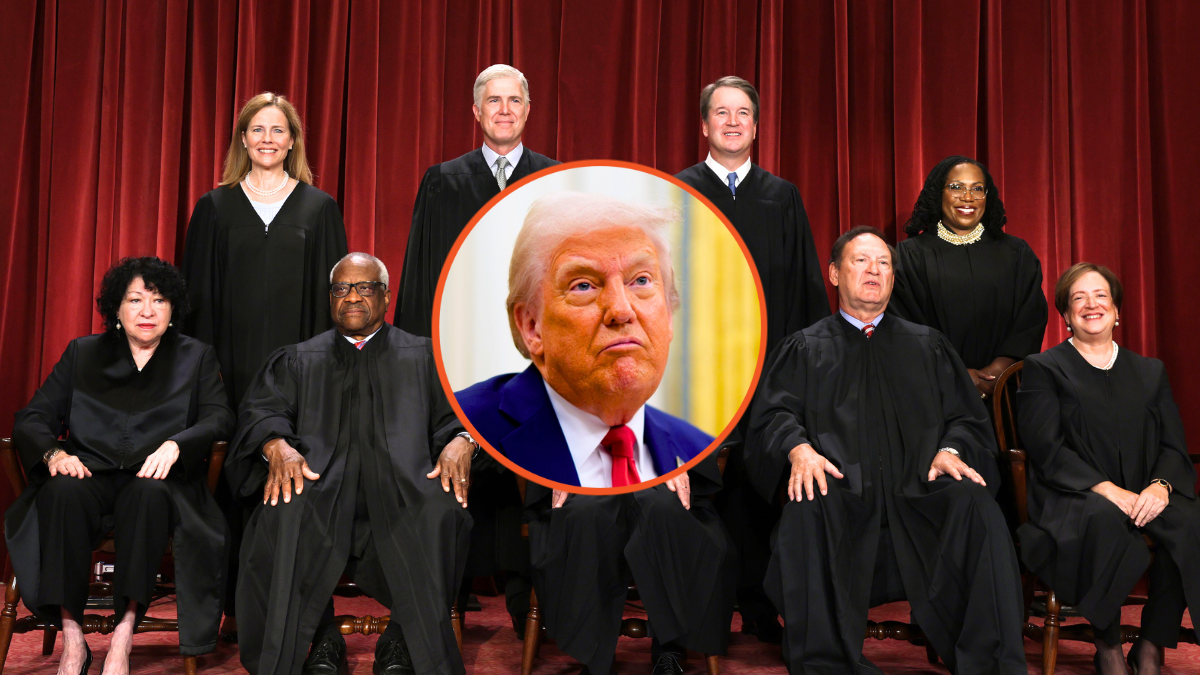
Last week, the Supreme Court unanimously ruled that the government must “facilitate” Garcia’s return. Donald Trump is doing nothing of the sort, laughably arguing that he doesn’t have the power to make it happen and even if he did, he wouldn’t comply. This pits the executive and judicial branches of the government against each other, so what happens next?
1) Kilmar Abrego Garcia was here legally
— Rep. Don Beyer (@RepDonBeyer) April 14, 2025
2) Trump illegally sent him to a prison in El Salvador; the Administration admits this was a mistake
3) The Supreme Court unanimously ordered his return
4) Trump refused
5) Trump wants to do the same thing to U.S. citizens
This is sick. https://t.co/8odNp7CReO
Firstly, all Supreme Court rulings (including their decision on Garcia) are binding under the U.S. Constitution. However, the Supreme Court has no direct enforcement power, so consequences for defying it depend on what other branches and institutions do.
In normal times, defying a Supreme Court order would be widely seen as a massive undermining of the rule of law and the separation of powers. A president who did it may face impeachment proceedings, as Congress would consider it an overreach of presidential powers.
Ultimately, the Supreme Court relies on law enforcement to enforce its orders, though it’s vanishingly unlikely that U.S. Marshals would take action against a sitting president. In any event, the Supreme Court itself ruled in July 2024 that presidents have absolute immunity from criminal prosecution for those official acts which fall within their “exclusive sphere of constitutional authority” and have “presumptive immunity” to acts that don’t.
Past examples of presidents defying the Supreme Court are extremely rare. In 1832 President Andrew Jackson was said to have responded to a decision by Chief Justice John Marshall he disagreed with by saying he “made his decision, now let him enforce it!”. Though Jackson may never have said those exact words, he did defy the court and, ultimately, nothing happened to him.
President Trump and President Bukele both made clear in the Oval Office today that they do not intend to return Kilmar Armando Abrego Garcia to the U.S. following the Supreme Court's ruling. "How can I smuggle a terrorist into the United States? Of course I'm not going to do it.… pic.twitter.com/FZbvEySzmk
— Kaitlan Collins (@kaitlancollins) April 14, 2025
The same is almost certainly true of Donald Trump. Yes, he may be tearing up the balance of governmental power, but if he chooses to ignore the Supreme Court there’s nothing they can realistically do about it. Even if he’s held in contempt by the Supreme Court, he can simply point to the Supreme Court’s own decision granting him immunity.
You might be thinking that this all sounds more like a dictator than a president accountable to the law and the people. And well, yeah. It does.





Published: Apr 16, 2025 06:41 am