


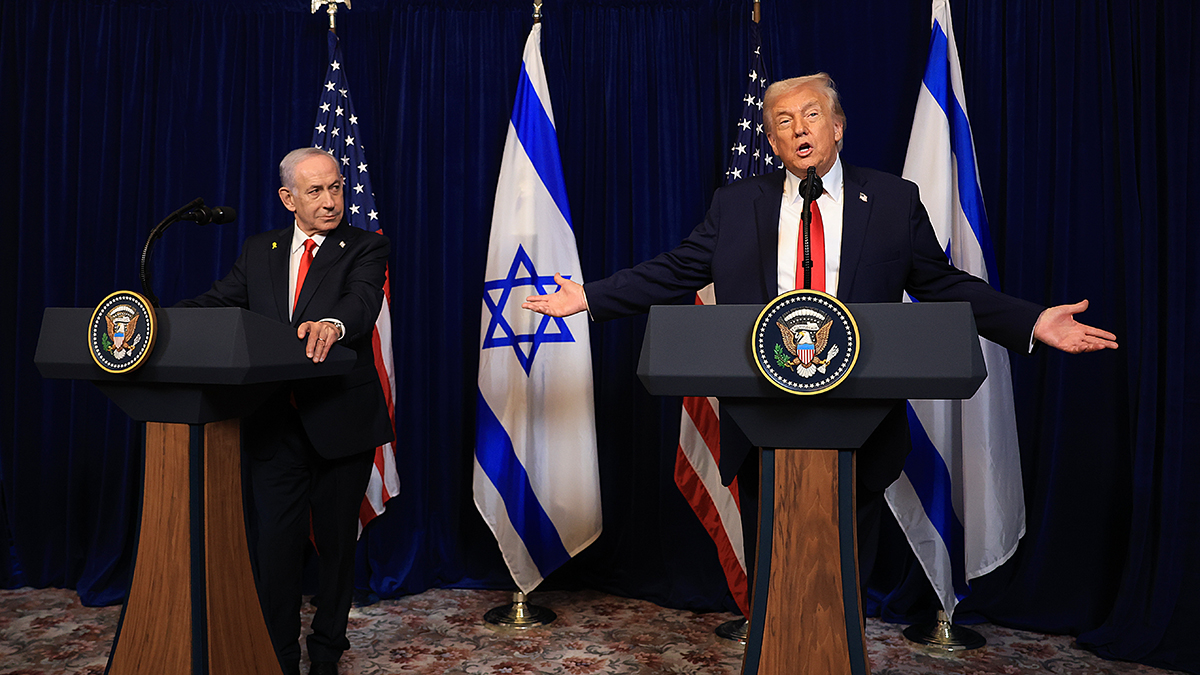

The United States military buildup in the Middle East and threats towards Iran have been sparking intense global focus and commentary. However, there has been a surprising amount of public silence from Iran’s biggest regional enemy, Israel. It turns out this isn’t a sign of indifference; it’s a strategic move.
According to a BBC report, sources suggest that Israel’s Prime Minister Benjamin Netanyahu is pushing President Trump for maximalist strikes aimed at regime change in Iran. Danny Citrinowicz, who spent 25 years in Israel’s Defence Intelligence and is now a senior Iran researcher, claimed that when Netanyahu reportedly urged President Trump to hold back earlier this month, it wasn’t for peace, but because he viewed the plan as “too small.”
Asaf Cohen, a former deputy director of Israel’s signals intelligence unit, says the Israeli leadership wants to allow the Americans to lead the way this time. They know the US is stronger, has more capabilities, and carries much more international legitimacy.
This is a big and potentially region destabilizing goal
Israel’s military intelligence chief, Shlomi Binder, met with US intelligence agencies in Washington just this week to focus on possible targets and a strike plan in Iran. Many in Israel believe that a limited strike or new deal carries massive risks for their security. Moshe Tur-Paz, a member of the opposition party on Israel’s Defence Committee, summed it up perfectly: “When you deal with total evil, you don’t act limited.”
A regime change would hopefully end the threat of Iran’s ballistic missiles and the terrifying possibility of Iran acquiring nuclear weapons. Another round of limited conflict isn’t worth the price of Iranian retaliation. During the 12-day war last year, when Israel and the US attacked Iran’s nuclear sites, Iran fired back hundreds of ballistic missiles. Some of those missiles evaded Israel’s sophisticated air defenses, killing at least 28 people in Tel Aviv.
Cohen sees this as a “golden moment in time” for Netanyahu. “Iran is at its weakest now,” with diminished military defenses after the 12-day war, weakened regional proxies, and widespread protests at home. He stated, “This is an opportunity that may not come again.”
This is a calculated political gamble for Netanyahu, who needs to restore his image as “Mr. Security” ahead of elections this year. He wants to show the world, alongside President Trump, that he destroyed the Iranian regime. However, the risks of this approach are huge. There is no clear successor for the current regime, and history shows that air strikes alone don’t topple regimes.
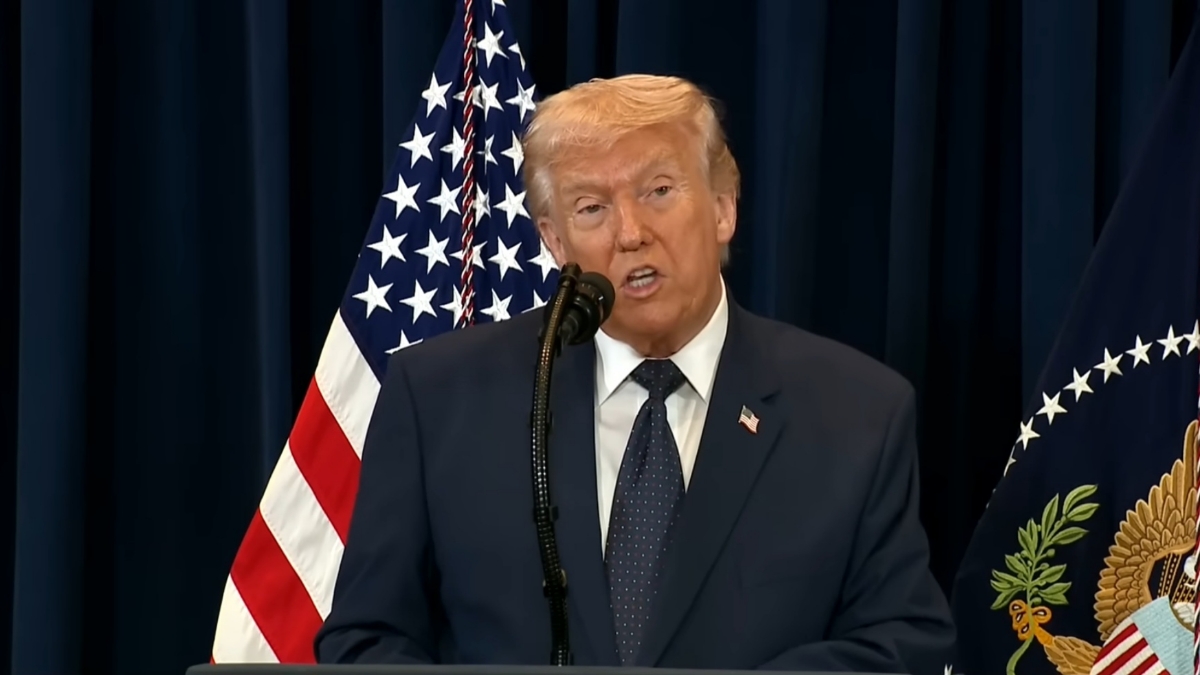
Meanwhile, even with Lindsey Graham suggesting actions that might lead to regime change, President Trump continues to alternate between military threats and offers of fresh negotiations. While analysts are divided on whether a deal is even achievable, Cohen notes that both the US and Iran are rational actors, with Iranians having immense patience.





Published: Feb 1, 2026 01:26 pm