


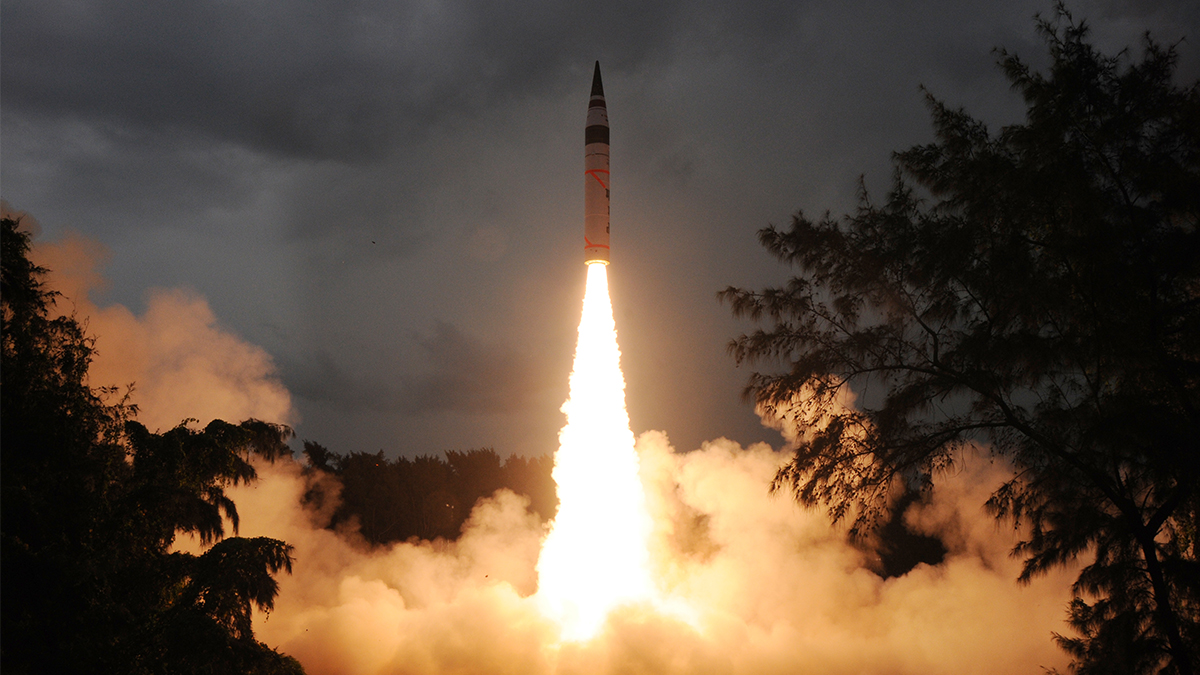

The world is rapidly approaching a major crossroads in nuclear security, as the last remaining arms control treaty between the United States and Russia, the New START treaty, is set to expire on Feb 5th. Without an eleventh-hour agreement, we could see the beginning of an unrestrained nuclear arms race for the first time since the height of the Cold War.
If New START lapses, there will be absolutely no constraints on long-range nuclear arsenals for the first time since 1972, when President Richard Nixon and Soviet leader Leonid Brezhnev signed two historic agreements. It is such an impactful event that the Bulletin of Atomic Scientists considered it when setting the Doomsday clock for 2026.
Reuters reports that these agreements have been the primary way to prevent a lethal misunderstanding or an economically ruinous arms race. Arms limitation treaties don’t just set numerical limits on weapons; they require both sides to constantly share information. Darya Dolzikova, an expert at the RUSI think-tank in London, noted that this information serves to “try to understand where the other side is coming from and what their concerns and drivers are.”
It is crazy to think that nuclear control is so fragile
Nikolai Sokov, a former Soviet and Russian arms negotiator, explained that, without communication, both nations would be forced to act according to worst-case assumptions about the weapons the other is producing. “It’s a self-sustaining kind of process,” he said. Currently, the New START treaty, signed in 2010, caps the number of deployed strategic warheads at 1,550 on each side, delivered by no more than 700 systems from land, sea, or air.
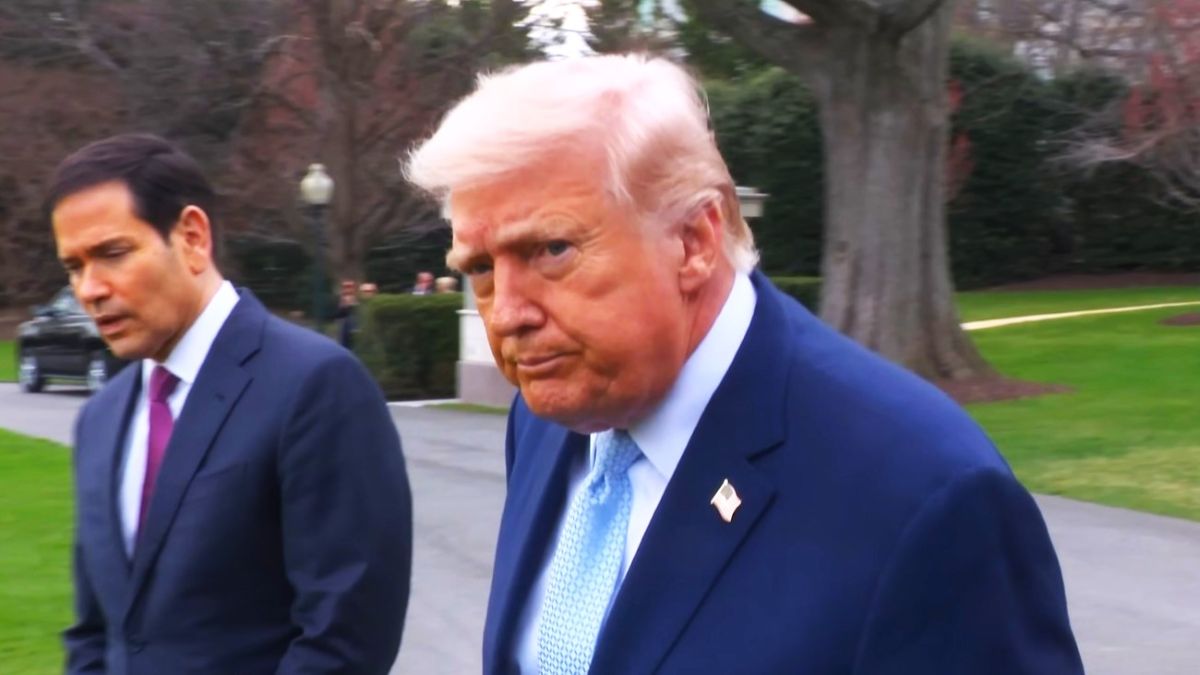
Russian President Vladimir Putin has proposed that the two sides should stick to those existing warhead limits for one more year to buy time for negotiation, but President Trump has yet to formally respond. The president stated this month that “if it expires, it expires,” suggesting he believes the treaty should be replaced with a better one entirely.
Replacing New START is no simple task, especially since both sides have been developing new, advanced systems that fall outside its current framework: Russia’s hypersonic Oreshnik missile, and President Trump’s space-based “Golden Dome” missile defense system.
Compounding this tension is the rising nuclear capability of China, whose arsenals are unchecked by any agreements between Washington and Moscow. Some U.S. politicians believe that Washington needs to grow its own arsenal to counter not just Russia, but China as well. Especially as China has shown an inclination to increase its territory.
A bipartisan Congressional commission in 2023 recommended preparing to bring some or all of the strategic nuclear warheads removed under New START out of storage. This is the truly scary part: these warheads and missiles are already built. However, if the US exceeds limits, the other countries will try to match it.





Published: Feb 2, 2026 10:20 am