


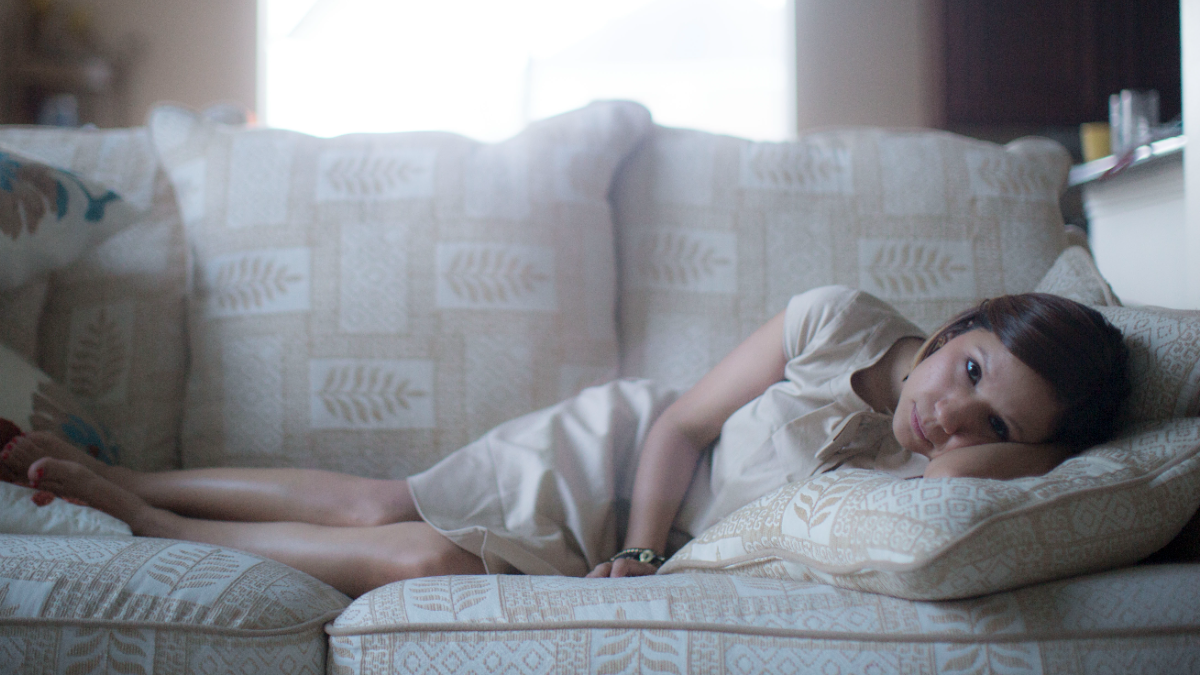

Millennial therapist and TikToker Mary Beth Somich just exposed a consistent and confusing practice among senior Boomer parents she says leaves their adult children feeling “twice as upset.” Somich, a 34-year-old licensed clinical mental-health counselor, noticed this pattern in both her professional practice and her personal life, prompting her to ask parents born between 1946 and 1964 one simple question: “Respectfully, why?”
This issue centers on the bizarre habit of older parents delaying serious personal or medical news until the absolute last moment. Somich, who has over 10 years of experience, used a viral TikTok video to act out a series of phone calls where the parent drops shocking information, such as, “your dad had open-heart surgery today.” In these skits, the parent tries to justify the delay by saying she didn’t want to worry her child about his health.
If you’re a Millennial or Gen Z reader, you’re probably nodding along right now, because this approach often lands terribly with younger generations. For those raised with more openness around mental health and the normalization of sharing life events, that silence feels like exclusion or a lack of trust.
Not telling your kids things doesn’t help them
Somich noted that while Boomers genuinely believe they are protecting their children by shielding them from worry, the delayed disclosure actually leads to intense feelings of betrayal, anger, sadness, and a loss of trust. They feel much more cared for when they are included in the process, not shut out.
So, why are Boomers so set on handling things their way? Somich told Newsweek that the behavior is rooted in cultural values. Many Boomers grew up believing that love is primarily shown through providing and protecting, not through vulnerability or verbal affirmation. They were raised in a culture where independence, emotional restraint, and quietly handling problems were seen as signs of strength and affection. They view sharing health issues as either burdening others or exposing vulnerability, which they were taught to avoid.
This behavior isn’t just an isolated family issue; Somich calls it “a social and cultural phenomenon.” After many clients shared the same frustration, she polled her audience to try to better understand the behavior, noting that the video was also intended to help younger children feel less alone in this experience. The clip quickly resonated, earning over 103,000 likes and nearly 13,000 comments.
Other therapists and users weighed in with their own takes on the phenomenon. One user suggested that Boomers “seem to be downplaying things because they’re so uncomfortable with emotions.” Another therapist commented that sometimes the silence is meant as “a gift of ignorance they can give that they wish they could give themselves,” suggesting the behavior is based in avoidance as a coping skill.
This cultural divide highlights how differently younger generations are approaching parenting today. Somich explains that Millennials and Gen Z value “transparency and frequent communication.” They encourage children to name feelings, seek support, and share personal struggles rather than hide them away. Younger parents frequently compare their children’s upbringing with their own, often striving to parent differently.






Published: Dec 8, 2025 07:19 am