



A criminal lawyer from Canada has shared five questions on TikTok that drivers should never answer when police pull them over. Kyla Lee, who works in Vancouver and specializes in DUI and traffic cases, says these questions are designed to make people accidentally admit guilt.
According to LAD Bible, Lee posted her warning on TikTok after seeing too many clients get trapped by these questions. She explains that even innocent drivers can hurt their case by answering what seems like simple questions. The problem is that anything you say can be used against you in court later.
Police use these questions as part of their strategy during traffic stops. Lee says they’re carefully designed to get statements that can help build a case against you. Here are the five questions she warns everyone to avoid. You might have encountered some of these yourself.
These questions are designed to make you confess
The first trap is when officers ask, “Do you know why I pulled you over?” Lee says this is a trick because police are supposed to tell you why they stopped you, not ask you to guess. If you answer, you’re basically trying to figure out what you did wrong. That response can be used later as proof that you knew you were breaking the law.
The second question is similar: “How fast do you think you were going?” Lee says this is another obvious attempt to get you to admit you were speeding. Don’t give them evidence about any offense. She also notes that if police know where you’re headed, they might assume you were rushing to get there, which makes their speeding case stronger.
The next two questions are about gathering evidence. When officers ask “Where are you coming from?” or “Where are you going?” they’re not just being friendly. Lee calls the first one “a trap” because police can use your answer to find surveillance cameras along your route.
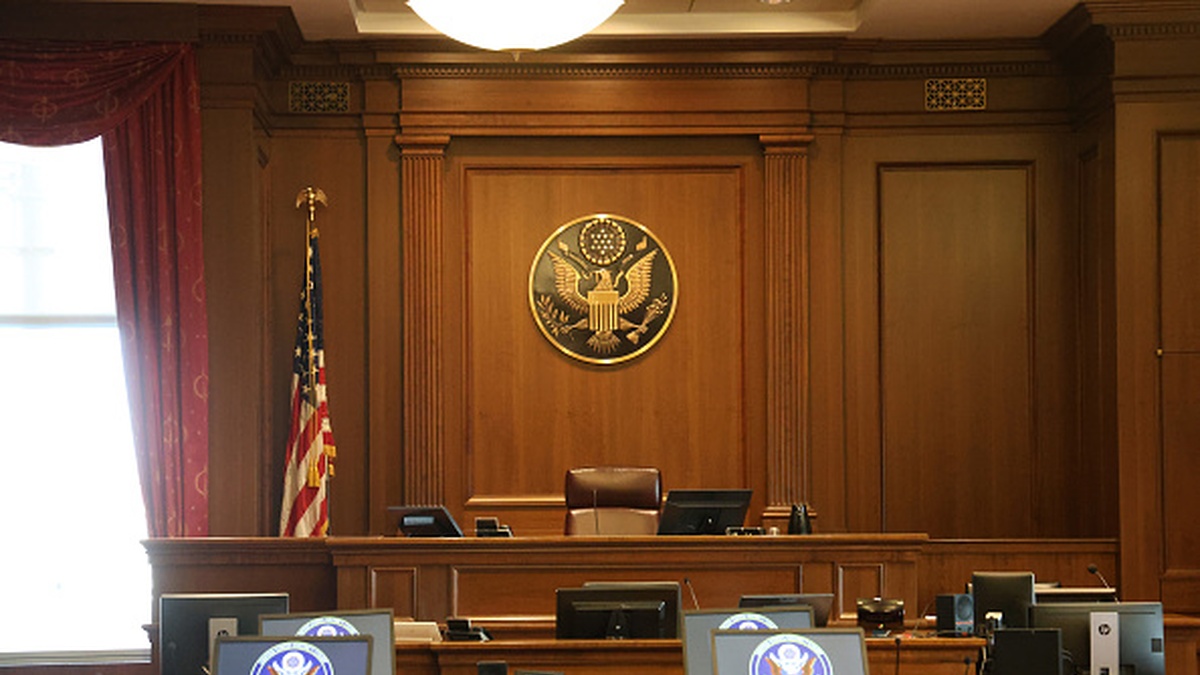
They can also talk to witnesses or visit the place you mentioned to collect receipts or other proof. Legal experts warn that understanding how federal judges handle attorney cases can help you realize how seriously courts take legal procedures.
As for where you’re going, Lee asks why that’s any of their business. If you tell them your destination, they can contact people there and ask what you told them about your plans that night. Police are always collecting information that might be useful against you later. This is especially important for aspiring lawyers to understand, as some law school graduates face courtroom restrictions despite years of training.
The fifth and most dangerous question, especially if you’ve been drinking, is “How much have you had to drink?” Lee strongly warns never to answer questions about alcohol. You can’t win here. If you lie, they’ll use that against you in court. If you tell the truth, they’ll immediately give you a breathalyzer test, which was their goal all along. Staying silent is your best option when you see those police lights behind you.







Published: Dec 11, 2025 02:36 pm