


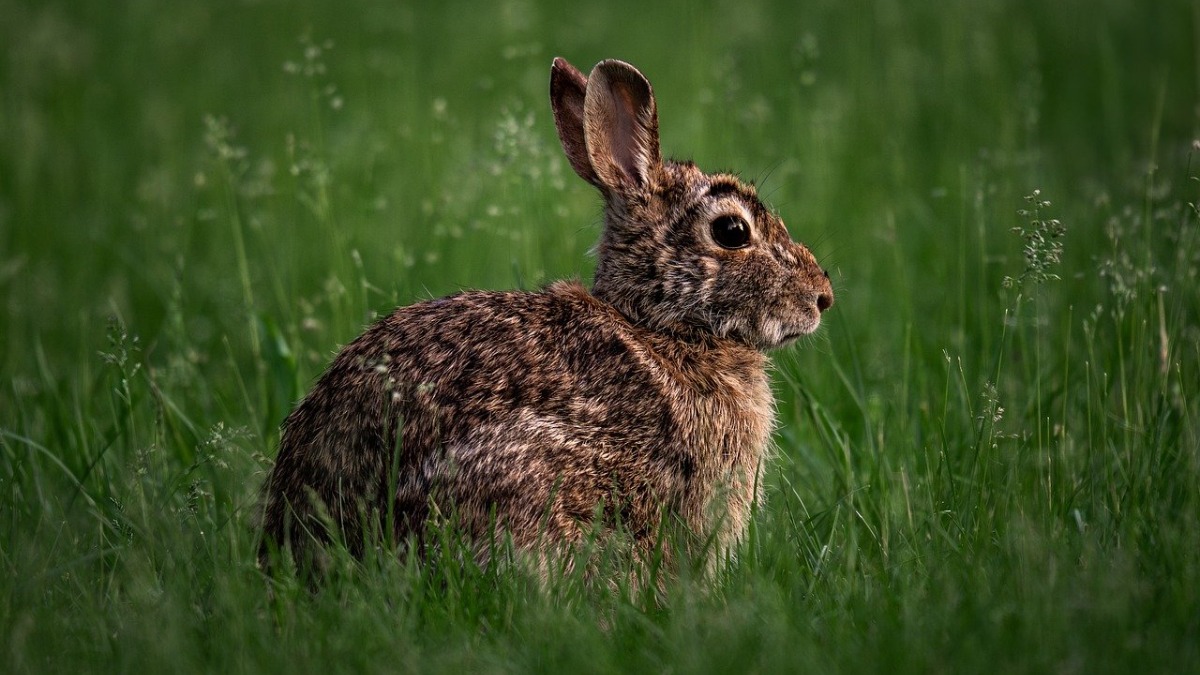

Florida officials are now deploying robotic rabbits across the Everglades in a novel effort to combat the region’s devastating invasive Burmese python population. These high-tech bunnies are designed to mimic real marsh rabbits, complete with fur, movement, heat, and even a scent, all to lure out the voracious snakes from their hiding spots.
Pythons are incredibly dangerous in any situation, even to people trained to handle them. However, the South Florida Water Management District has been struggling to eliminate as many pythons as possible because of the damage caused by their insatiable appetites. AP News reported that in Everglades National Park, officials reported a shocking 95% reduction in small mammals, along with thousands of birds, all due to these unwelcome predators.
Mike Kirkland, who’s the lead invasive animal biologist for the water district, mentioned that removing the pythons isn’t the hard part; it’s actually finding them. He explained, “They’re so well camouflaged in the field.”
Every year, they try new techniques to find something that will actually work
The water district team originally attempted to use live rabbits as lures, but it was too expensive and time-consuming. This summer, they teamed up with University of Florida researchers to deploy 120 robotic rabbits as part of an experimental program. These robot rabbits are essentially toy rabbits that have been seriously retrofitted. They emit heat, a specific smell, and make natural movements to appear like a regular rabbit.
Kirkland confirmed that they “look like a real rabbit.” They’re solar-powered and can be switched on and off remotely. Each robot sits in a small pen, constantly monitored by a video camera that sends out a signal whenever a python is detected nearby. When that happens, Kirkland can dispatch one of their contractors to remove the python.
Burmese pythons became established in the swampy, subtropical Everglades after escaping from homes or being released by people who found their overgrown pets too much to handle. Since they aren’t native to Florida, they don’t have many natural enemies in the Everglades. Combine that with a rapid reproduction cycle, and some official figures put their population at as high as 300,000, even after23,000 of these snakes have been removed from the wild since 2000.
The robot rabbits are the latest tactic in tackling these serpents. Ron Bergeron, a member of the water district governing board, emphasized the importance of every removal, stating, “Every invasive python that is removed makes a difference for Florida’s environment and its native wildlife.”
It’s still early days for the robot rabbit project. However, considering the powerful capabilities of AI to control robots, I think that this might be a great tool to protect the ecosystem.









Published: Mar 13, 2026 04:40 pm